The Ultimate 2026 Natural Glowing Skin Routine
Imagine waking up every morning to skin that’s not just clear, but radiantly alive, reflecting a healthy glow from within. Achieving naturally glowing skin…


Imagine waking up every morning to skin that’s not just clear, but radiantly alive, reflecting a healthy glow from within. Achieving naturally glowing skin in 2026 isn’t about chasing fleeting trends or relying on heavy makeup; it’s about cultivating a consistent, science-backed skincare routine that nourishes, protects, and revitalizes your complexion. This comprehensive guide will unveil the secrets to a luminous, healthy complexion, detailing the essential steps, ingredients, and lifestyle adjustments that form the foundation of a truly natural glowing skin routine. We’ll delve deep into understanding your skin type, harnessing the power of potent natural ingredients, and building habits that promote long-term skin health and that coveted dewy finish.
The Science Behind a Radiant Complexion: More Than Just Surface Deep
A glowing complexion is a visible indicator of healthy skin. This radiance isn’t merely superficial; it stems from a complex interplay of factors including optimal cell turnover, adequate hydration, a robust skin barrier, and proper circulation. When skin cells regenerate efficiently, they slough off dull, dead layers, revealing fresh, vibrant skin underneath. Hydration plumps up skin cells, making the surface appear smoother and more luminous. A strong skin barrier prevents moisture loss and protects against environmental aggressors, both of which can contribute to dullness and irritation. Furthermore, good blood flow delivers essential nutrients and oxygen to skin cells, promoting a healthy, rosy hue.
In 2026, our understanding of skin health has advanced significantly. We recognize that genetics play a role, but lifestyle and environmental factors are equally, if not more, impactful. Factors like diet, sleep, stress levels, and exposure to pollutants all influence how our skin functions and, consequently, how it looks. Therefore, a truly effective natural glowing skin routine addresses both external application and internal well-being.
Decoding Your Skin Type: The Crucial First Step
Before embarking on any skincare journey, understanding your unique skin type is paramount. Applying the wrong products can exacerbate issues, leading to breakouts, dryness, or increased sensitivity, all of which detract from your natural glow. The primary skin types are:
- Oily Skin: Characterized by excess sebum production, leading to a shiny appearance, enlarged pores, and a tendency towards blackheads and acne.
- Dry Skin: Lacks sufficient sebum, resulting in a tight, flaky, and sometimes rough texture. It can also appear dull and be more prone to fine lines.
- Combination Skin: A mix of oily and dry areas, typically oily in the T-zone (forehead, nose, chin) and normal to dry on the cheeks.
- Normal Skin: Well-balanced, neither too oily nor too dry, with minimal imperfections and a smooth texture.
- Sensitive Skin: Easily irritated by skincare products, environmental factors, or certain ingredients, often showing redness, itching, or stinging.
To determine your skin type, wash your face with a gentle cleanser, pat it dry, and wait for 30-60 minutes without applying any products. Observe how your skin feels and looks. If it feels tight and dry everywhere, you likely have dry skin. If it’s shiny and oily all over, it’s oily. If only your T-zone is shiny, it’s combination. If it feels comfortable and looks balanced, it’s normal. If your skin frequently reacts negatively to products, it’s likely sensitive.
The Pillars of a Natural Glowing Skin Routine: A Step-by-Step Approach
A successful natural glowing skin routine is built upon a consistent regimen that cleanses, treats, hydrates, and protects. Here’s a breakdown of the essential steps for both morning and evening.
Morning Routine: Preparing Your Skin for the Day Ahead
The goal of your morning routine is to cleanse away any overnight buildup, protect your skin from environmental damage, and provide a smooth canvas for the day.
1. Gentle Cleansing: Waking Up Your Skin
Start your day with a mild cleanser. For most skin types, especially those aiming for a natural glow, harsh scrubbing is counterproductive. Opt for a hydrating or pH-balanced cleanser that effectively removes impurities without stripping your skin’s natural oils.
- For Oily/Acne-Prone Skin: A gentle foaming cleanser or a salicylic acid-based cleanser can help manage excess oil and prevent breakouts without over-drying.
- For Dry/Sensitive Skin: Creamy, hydrating cleansers or micellar water are ideal. Look for ingredients like glycerin, hyaluronic acid, or ceramides.
- For Combination Skin: A balanced cleanser that doesn’t strip oil but also doesn’t leave dry areas feeling tight is best.
How to Cleanse:
Dampen your face with lukewarm water. Apply a small amount of cleanser to your fingertips and gently massage it onto your skin in circular motions for about 30-60 seconds. Rinse thoroughly with lukewarm water and pat your face dry with a clean, soft towel. Never rub your skin vigorously.
2. Toning: Rebalancing and Prepping
A toner can be an excellent addition to your routine, helping to rebalance the skin’s pH after cleansing and prepare it for subsequent products. In 2026, toners have evolved beyond astringents. Look for hydrating, antioxidant-rich, or exfoliating toners depending on your skin’s needs.
- Hydrating Toners: Contain ingredients like hyaluronic acid, glycerin, or rosewater to boost moisture levels.
- Exfoliating Toners: Feature mild chemical exfoliants like alpha-hydroxy acids (AHAs – glycolic, lactic) or beta-hydroxy acids (BHAs – salicylic acid) to gently remove dead skin cells. Use these cautiously, perhaps only a few times a week, to avoid irritation.
- Antioxidant Toners: Infused with Vitamin C, Vitamin E, or green tea extract to protect against free radical damage.
How to Tone:
After cleansing and patting your face dry, pour a small amount of toner onto a reusable cotton pad or directly into your palms. Gently sweep the pad across your face or pat the toner onto your skin. Allow it to absorb fully before moving to the next step.
3. Serums: Targeted Treatment for Radiance
Serums are concentrated treatments packed with potent active ingredients designed to address specific skin concerns. For a natural glowing skin routine, serums focusing on hydration, antioxidant protection, and brightening are key.
- Vitamin C Serum: A powerhouse antioxidant, Vitamin C (L-Ascorbic Acid being the most potent form) brightens the complexion, fades dark spots, stimulates collagen production, and protects against environmental damage. It’s a non-negotiable for achieving a natural glow. Look for formulations between 10-20% Vitamin C.
- Hyaluronic Acid Serum: This humectant draws moisture from the air into your skin, plumping it up and creating a dewy, hydrated appearance. It’s suitable for all skin types.
- Niacinamide Serum: Also known as Vitamin B3, niacinamide is a multi-tasker that helps improve skin barrier function, reduce redness, minimize pores, and regulate oil production. It complements Vitamin C beautifully.
How to Apply Serums:
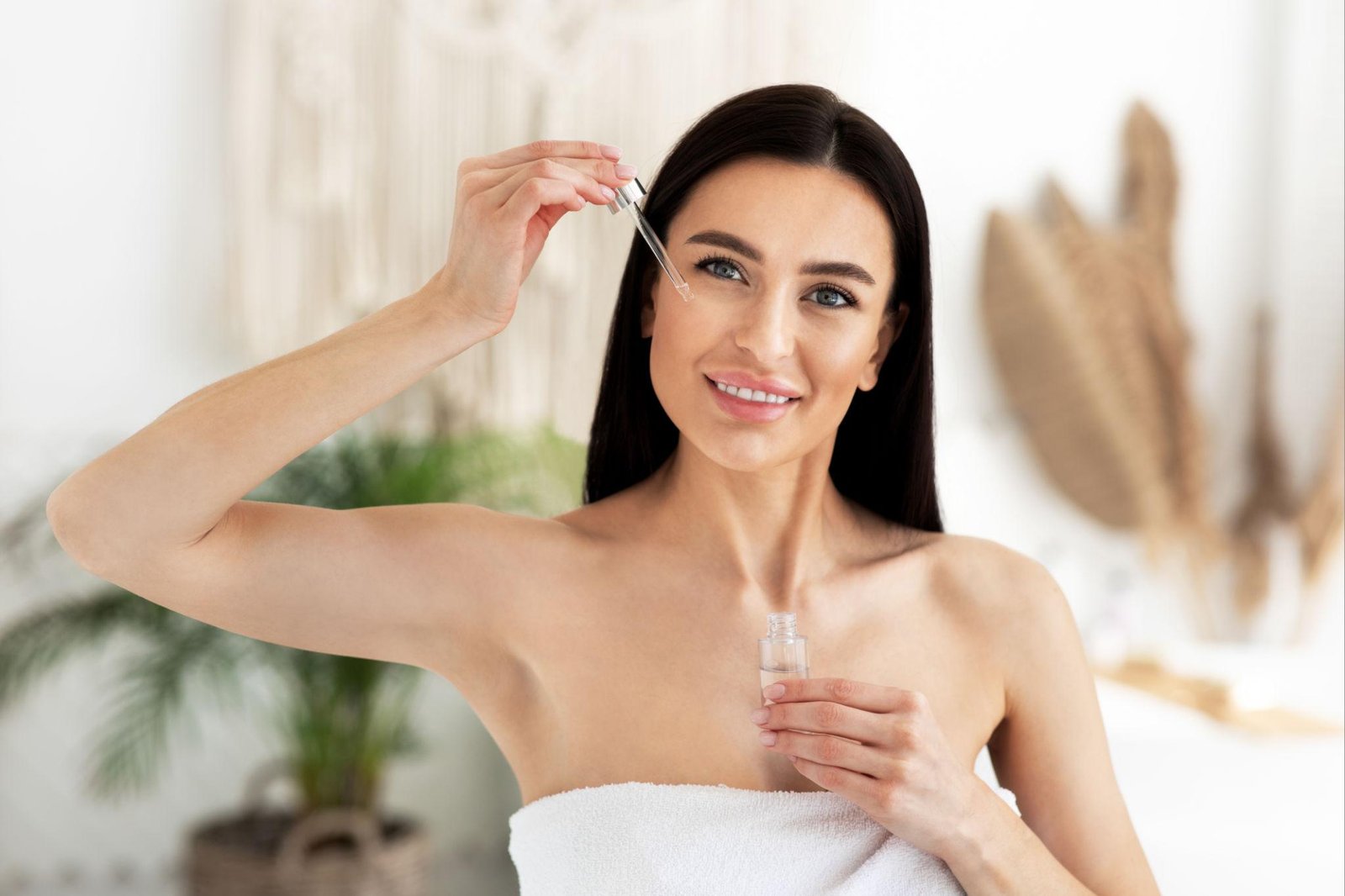
Apply 2-3 drops of your chosen serum(s) to your fingertips and gently pat it onto your face and neck. If using multiple serums, apply them from thinnest to thickest consistency. Allow each serum to absorb for a minute before applying the next.
4. Eye Cream: Addressing Delicate Skin
The skin around your eyes is thinner and more delicate, making it prone to dryness, fine lines, and dark circles. A dedicated eye cream can provide targeted hydration and treatment.
- Look for ingredients like peptides, hyaluronic acid, ceramides, and antioxidants.
- For dark circles, ingredients like Vitamin C or caffeine can be beneficial.
How to Apply Eye Cream:
Using your ring finger (which applies the least pressure), gently tap a pea-sized amount of eye cream around the orbital bone, avoiding direct contact with the lash line.
5. Moisturizer: Sealing in Hydration
Moisturizer is crucial for locking in all the goodness from your previous steps and maintaining skin hydration throughout the day. Choosing the right moisturizer depends on your skin type.
- Oily Skin: Lightweight, oil-free, gel-based moisturizers.
- Dry Skin: Richer, cream-based moisturizers with ingredients like shea butter, ceramides, or fatty acids.
- Combination Skin: A lightweight moisturizer for the T-zone and a slightly richer one for drier areas, or a balanced formula that works for both.
- Sensitive Skin: Fragrance-free, hypoallergenic formulas with soothing ingredients like centella asiatica or aloe vera.
How to Apply Moisturizer:
Apply a dime-sized amount of moisturizer to your face and neck, gently massaging it in upward and outward strokes.
6. Sun Protection: The Ultimate Anti-Aging and Glow-Boosting Step
This is arguably the most critical step in any skincare routine, especially for maintaining a natural glow and preventing premature aging. Sunscreen protects your skin from harmful UV rays that cause sunburn, hyperpigmentation, wrinkles, and increase the risk of skin cancer.
- Broad-Spectrum SPF 30 or Higher: Ensure your sunscreen protects against both UVA (aging) and UVB (burning) rays.
- Mineral vs. Chemical Sunscreens: Mineral sunscreens (containing zinc oxide and titanium dioxide) sit on top of the skin and physically block UV rays. Chemical sunscreens absorb UV rays and convert them into heat. Both are effective, but mineral sunscreens are often preferred for sensitive skin.
- Tinted Sunscreens: Can offer a subtle even tone while providing protection.
How to Apply Sunscreen:
Apply a generous amount (about two finger-lengths for face and neck) as the last step in your morning routine. Reapply every two hours if you are exposed to direct sunlight. Don’t forget often-neglected areas like your ears and the back of your neck.
Evening Routine: Repair and Rejuvenate
Your evening routine is about removing the day’s buildup and allowing your skin to repair and regenerate overnight.
1. Double Cleansing: Thoroughly Removing Impurities
This is essential, especially if you wear makeup or sunscreen. It ensures a clean canvas for your nighttime treatments.
- First Cleanse (Oil-Based): Use a cleansing oil or balm to dissolve makeup, sunscreen, and excess sebum. Massage it onto dry skin, then add water to emulsify and rinse.
- Second Cleanse (Water-Based): Follow with your gentle morning cleanser to remove any remaining residue and ensure your skin is thoroughly clean.
How to Double Cleanse:
Apply cleansing oil/balm to dry skin and massage gently for about a minute, focusing on areas with makeup. Wet your hands and continue massaging to emulsify the oil. Rinse thoroughly with lukewarm water. Then, apply your water-based cleanser to damp skin, lather, and rinse.
2. Toning: Rebalancing and Hydrating
Just like in the morning, a toner can help rebalance your skin’s pH and prep it for treatments. You might opt for a hydrating toner in the evening.
3. Exfoliation (2-3 Times Per Week): Unveiling Fresh Skin
Exfoliation is key to removing dead skin cells that can dull your complexion. However, over-exfoliation can damage your skin barrier. Limit this step to 2-3 times per week in the evening.
- Chemical Exfoliants (AHAs/BHAs): Available in toners, serums, or masks. AHAs (like glycolic and lactic acid) are water-soluble and work on the skin’s surface to improve texture and tone. BHAs (like salicylic acid) are oil-soluble and penetrate pores to clear congestion.
- Physical Exfoliants: Gentle scrubs with fine particles (like jojoba beads) or konjac sponges. Avoid harsh scrubs with large, jagged particles that can cause micro-tears.
How to Exfoliate:
After cleansing and toning, apply your chosen exfoliant according to product instructions. If using a physical scrub, use gentle pressure. Follow with your treatment serums and moisturizer. Do not use exfoliating products on the same night as retinoids unless specifically advised by a dermatologist.
4. Treatments/Serums: Targeted Nighttime Repair
The evening is the perfect time for treatments that promote cell turnover and repair.
- Retinoids (Retinol, Retinaldehyde): These Vitamin A derivatives are gold-standard ingredients for anti-aging and improving skin texture, tone, and clarity. They speed up cell turnover and boost collagen production. Start with a low concentration (0.1-0.3% retinol) 1-2 times per week and gradually increase frequency and strength as your skin tolerates it. Always use sunscreen the next day.
- Peptide Serums: Peptides are short chains of amino acids that signal skin cells to perform specific functions, such as building collagen and elastin.
- Hydrating Serums: If not using retinoids, a hyaluronic acid or glycerin serum can be beneficial.
How to Apply Nighttime Serums:
Apply your chosen serum(s) after toning and exfoliating (if applicable). If using retinoids, apply them after your moisturizer to buffer potential irritation, or before if your skin is more tolerant.
5. Eye Cream: Continued Hydration
Apply your eye cream as you did in the morning routine.
6. Moisturizer: Nourishing Overnight
Seal in your treatments with a nourishing moisturizer. You might opt for a slightly richer moisturizer at night, especially if you have dry skin or are using retinoids.
- Occlusive Moisturizers: Contain ingredients like petrolatum, lanolin, or dimethicone that form a barrier to prevent water loss.
How to Apply Nighttime Moisturizer:
Apply a generous amount to your face and neck, massaging gently.
Key Ingredients for a Naturally Glowing Skin Routine
Beyond the steps, the ingredients in your products are crucial. Here are some star players for achieving that coveted natural glow in 2026:
Antioxidants: Your Skin’s Defense Force
Antioxidants combat free radicals, unstable molecules generated by UV radiation, pollution, and internal metabolic processes. Free radicals damage skin cells, leading to premature aging, dullness, and inflammation.
- Vitamin C: As mentioned, a potent brightener and collagen booster.
- Vitamin E: Works synergistically with Vitamin C to enhance antioxidant protection. Found in oils like sunflower and wheat germ oil.
- Green Tea Extract: Rich in polyphenols, it has anti-inflammatory and antioxidant properties.
- Resveratrol: Found in grapes and berries, it’s a powerful antioxidant with anti-aging benefits.
- Ferulic Acid: Often paired with Vitamin C and E, it stabilizes them and boosts their efficacy.
Hydrators: The Plumpness Factor
Hydrated skin looks fuller, smoother, and more radiant.
- Hyaluronic Acid (HA): A humectant that attracts and holds up to 1000 times its weight in water.
- Glycerin: Another effective humectant, commonly found in moisturizers.
- Ceramides: Lipids that are naturally present in the skin barrier. They help retain moisture and protect the skin.
- Squalane: A stable form of squalene, a natural component of skin’s sebum. It’s an excellent emollient and moisturizer.
- Fatty Acids: Essential for a healthy skin barrier and moisture retention. Found in oils like jojoba, sunflower, and shea butter.
Exfoliants: The Dullness Dissolvers
Gentle and consistent exfoliation reveals brighter skin.
- AHAs (Alpha-Hydroxy Acids): Glycolic Acid (from sugar cane), Lactic Acid (from milk), Mandelic Acid (from almonds). Best for surface exfoliation, improving texture and tone.
- BHAs (Beta-Hydroxy Acids): Salicylic Acid (derived from willow bark). Oil-soluble, ideal for penetrating pores and clearing congestion.
- Enzymes: Papain (from papaya) and Bromelain (from pineapple) offer a gentler form of exfoliation.
Brighteners: Tackling Hyperpigmentation
For an even-toned, luminous complexion.
- Vitamin C: Fades dark spots and post-inflammatory hyperpigmentation.
- Niacinamide: Helps inhibit melanin transfer, reducing dark spots.
- Kojic Acid: Derived from fungi, it inhibits melanin production.
- Alpha Arbutin: A derivative of hydroquinone, it also inhibits melanin production.
- Licorice Root Extract: Soothing and known for its brightening properties.
Lifestyle Factors: The Holistic Approach to Glowing Skin
Skincare products are only part of the equation. Your daily habits significantly impact your skin’s health and radiance.
1. Nutrition: Fueling Your Glow from Within
- Hydration: Drink plenty of water throughout the day (aim for 8 glasses or more). Dehydration directly impacts skin’s plumpness and radiance.
- Antioxidant-Rich Foods: Berries, leafy greens, nuts, and seeds are packed with vitamins and antioxidants that protect your skin.
- Healthy Fats: Omega-3 fatty acids found in fatty fish (salmon, mackerel), flaxseeds, and walnuts help maintain skin barrier function and reduce inflammation.
- Lean Protein: Essential for collagen production and skin repair.
- Limit Sugar and Processed Foods: These can contribute to inflammation and glycation, a process that damages collagen and elastin, leading to dullness and wrinkles.
2. Sleep: The Ultimate Skin Rejuvenation
During sleep, your body repairs itself, including your skin cells. Aim for 7-9 hours of quality sleep per night. Lack of sleep can lead to dullness, dark circles, and increased stress hormones, all of which negatively affect your complexion.
3. Stress Management: Calm Skin is Glowing Skin
Chronic stress releases cortisol, a hormone that can disrupt skin barrier function, increase inflammation, and trigger breakouts. Incorporate stress-reducing activities like meditation, yoga, deep breathing exercises, or spending time in nature.
4. Exercise: Boosting Circulation and Detoxification
Regular physical activity improves blood circulation, delivering oxygen and nutrients to your skin cells. Sweating also helps to cleanse pores. Remember to cleanse your skin post-workout to remove sweat and impurities.
5. Avoid Smoking and Limit Alcohol: Protecting Your Investment
Smoking deprives skin of oxygen and nutrients, accelerating aging and dullness. Excessive alcohol consumption dehydrates the skin and can lead to inflammation.
Natural Remedies and DIY for a Radiant Boost
While a consistent routine with effective products is paramount, certain natural ingredients and DIY treatments can offer supplementary benefits.
Oatmeal Mask: Soothing and Hydrating
- Benefits: Oatmeal is known for its anti-inflammatory and soothing properties. It can help calm irritated skin and provide gentle exfoliation.
- How to Make: Mix 2 tablespoons of finely ground oatmeal (colloidal oatmeal is ideal) with enough warm water or plain yogurt to form a paste. Apply to clean skin, leave on for 15-20 minutes, and rinse with cool water.
Honey Mask: Antibacterial and Moisturizing
- Benefits: Raw honey (especially Manuka honey) is a natural humectant and has antibacterial properties. It can help hydrate and gently cleanse the skin.
- How to Make: Apply a thin layer of raw honey to clean skin. Leave on for 15-20 minutes and rinse with warm water.
Yogurt Mask: Gentle Exfoliation and Brightening
- Benefits: Plain yogurt contains lactic acid, a mild AHA that can gently exfoliate and brighten the skin.
- How to Make: Apply a layer of plain, unsweetened yogurt to your face. Leave on for 10-15 minutes and rinse.
Turmeric Mask: Anti-inflammatory and Brightening
- Benefits: Turmeric is renowned for its anti-inflammatory and antioxidant properties, which can help reduce redness and brighten the complexion. Caution: Turmeric can temporarily stain the skin, so use sparingly and consider a patch test.
- How to Make: Mix 1 teaspoon of turmeric powder with 1 tablespoon of yogurt or honey to form a paste. Apply to clean skin, leave on for 10 minutes, and rinse thoroughly. Follow with a gentle cleanser if needed to remove any yellow tint.
Important Note: Always perform a patch test before applying any new DIY mask to your entire face, especially if you have sensitive skin. Natural does not always mean non-irritating.
Addressing Common Concerns for Glowing Skin
Even with a diligent routine, specific concerns can hinder your glow.
Dullness: Reviving Your Radiance
Dullness is often caused by a buildup of dead skin cells, dehydration, or poor circulation.
- Solution: Consistent exfoliation (chemical or gentle physical), adequate hydration (drinking water and using humectants like hyaluronic acid), and incorporating Vitamin C serums. Facial massage can also boost circulation.
Hyperpigmentation: Fading Dark Spots
Dark spots and uneven skin tone can be caused by sun exposure, acne, or inflammation.
- Solution: Daily sunscreen is crucial to prevent further darkening. Use targeted brightening ingredients like Vitamin C, niacinamide, alpha arbutin, or kojic acid. For stubborn pigmentation, consult a dermatologist about professional treatments.
Dryness and Flakiness: Restoring Moisture
Lack of moisture and a compromised skin barrier lead to dryness.
- Solution: Use gentle, hydrating cleansers. Layer hydrating serums (hyaluronic acid, glycerin). Opt for richer moisturizers with ceramides and fatty acids. Consider an occlusive balm at night. Avoid harsh ingredients and over-exfoliation.
Redness and Sensitivity: Soothing Your Skin
Irritation and inflammation can make skin look dull and blotchy.
- Solution: Focus on gentle, fragrance-free products. Incorporate soothing ingredients like centella asiatica (cica), aloe vera, chamomile, and green tea extract. Avoid known irritants like alcohol and harsh sulfates. Protect your skin barrier.
The Power of Facial Massage
Incorporating facial massage into your routine can significantly enhance your natural glow. It stimulates blood circulation, promoting better nutrient delivery and a rosy complexion. It can also aid lymphatic drainage, reducing puffiness.
- How to Perform: After applying your serum or moisturizer, use gentle upward and outward strokes with your fingertips or a facial tool like a gua sha or jade roller. Focus on areas like the jawline, cheekbones, and forehead. Use light pressure and always move in an upward direction to promote a lifting effect.
Building Your Personalized 2026 Natural Glowing Skin Routine: A Checklist
To help you create your own effective routine, here’s a checklist:
Morning Routine Checklist:
- [ ] Gentle Cleanser (suited to your skin type)
- [ ] Hydrating/Balancing Toner (optional, but beneficial)
- [ ] Antioxidant Serum (e.g., Vitamin C)
- [ ] Hydrating Serum (e.g., Hyaluronic Acid – optional, can be combined with antioxidant)
- [ ] Eye Cream
- [ ] Moisturizer (suited to your skin type)
- [ ] Broad-Spectrum Sunscreen SPF 30+
Evening Routine Checklist:
- [ ] First Cleanse (Oil or Balm)
- [ ] Second Cleanse (Gentle Water-Based Cleanser)
- [ ] Toner (optional)
- [ ] Exfoliant (2-3 times/week – choose AHA, BHA, or enzyme)
- [ ] Treatment Serum (e.g., Retinoid, Peptide Serum)
- [ ] Hydrating Serum (if not using a heavy treatment)
- [ ] Eye Cream
- [ ] Moisturizer (suited to your skin type, potentially richer)
Weekly Checklist:
- [ ] Deep Hydrating Mask (1-2 times/week)
- [ ] Gentle Exfoliating Mask (if not using daily exfoliants)
Lifestyle Factors:
- [ ] Drink adequate water daily
- [ ] Eat a balanced diet rich in antioxidants and healthy fats
- [ ] Aim for 7-9 hours of quality sleep
- [ ] Practice stress management techniques
- [ ] Exercise regularly
- [ ] Avoid smoking and limit alcohol
Conclusion: Embracing Your Natural Radiance
Achieving naturally glowing skin in 2026 is a holistic journey that combines a consistent, targeted skincare routine with mindful lifestyle choices. It’s about understanding your skin, nourishing it with the right ingredients, and protecting it from environmental stressors. By embracing the steps outlined in this guide – from gentle cleansing and targeted treatments to diligent sun protection and internal well-being – you can cultivate a complexion that radiates health and vitality. Remember, consistency is key. Be patient with your skin, listen to its needs, and celebrate the beautiful, natural glow that emerges from within. Your journey to luminous skin starts today.
Frequently Asked Questions
What is the most important step for glowing skin?
The most critical step for achieving and maintaining glowing skin is daily application of broad-spectrum sunscreen with an SPF of 30 or higher. Sunscreen protects your skin from UV damage, which is a primary cause of premature aging, dullness, dark spots, and an uneven complexion. Without adequate sun protection, all other efforts to achieve a natural glow can be undermined.
How quickly can I expect to see results from a natural glowing skin routine?
Results vary depending on individual skin type, concerns, and the consistency of your routine. However, you might start noticing improvements in skin hydration and texture within 2-4 weeks of consistent use. More significant changes, such as a reduction in hyperpigmentation or improved skin firmness, can take 2-6 months or longer, especially when using ingredients like Vitamin C or retinoids that work on a deeper cellular level. Patience and consistency are key.
Can I use natural ingredients like essential oils in my glowing skin routine?
While many natural ingredients can be beneficial, essential oils should be used with extreme caution in skincare. They are highly concentrated and can cause irritation, photosensitivity, or allergic reactions if not properly diluted or if used by individuals with sensitive skin. It’s generally safer to opt for well-formulated skincare products that contain beneficial natural extracts rather than using pure essential oils directly on the skin. Always perform a patch test if you choose to incorporate them, and ensure they are highly diluted in a carrier oil.
Is it necessary to exfoliate every day for glowing skin?
No, it is not necessary and often counterproductive to exfoliate every day for glowing skin. Over-exfoliation can strip the skin of its natural oils, damage the skin barrier, lead to increased sensitivity, redness, and even breakouts. Most people benefit from exfoliating 2-3 times per week, depending on their skin type and the strength of the exfoliant used. Listen to your skin; if it feels sensitive or irritated, reduce the frequency of exfoliation.
How does diet affect my skin’s natural glow?
Diet plays a significant role in your skin’s health and appearance. A diet rich in antioxidants (found in fruits, vegetables, nuts), healthy fats (like omega-3s from fatty fish and seeds), and lean protein supports skin repair, reduces inflammation, and protects against damage, all contributing to a natural glow. Conversely, diets high in sugar and processed foods can promote inflammation and damage collagen, leading to dullness and premature aging. Staying well-hydrated by drinking plenty of water is also crucial for plump, radiant skin.
What are the signs that my glowing skin routine is working?
You’ll know your routine is working when your skin feels more hydrated and comfortable, looks smoother and more even-toned, appears brighter and more luminous, and exhibits less redness or irritation. You might also notice a reduction in breakouts or the fading of dark spots over time. Essentially, your skin will look and feel healthier overall, with that coveted “lit-from-within” radiance.
Read: Daily Hair Care Routine for Strong Hair 2026