7 Keys: The Ultimate Guide to Yoga for Body & Mind
Did you know that over 60 million Americans practiced yoga in 2025? This ancient discipline, originating in India thousands of years ago, has exploded…

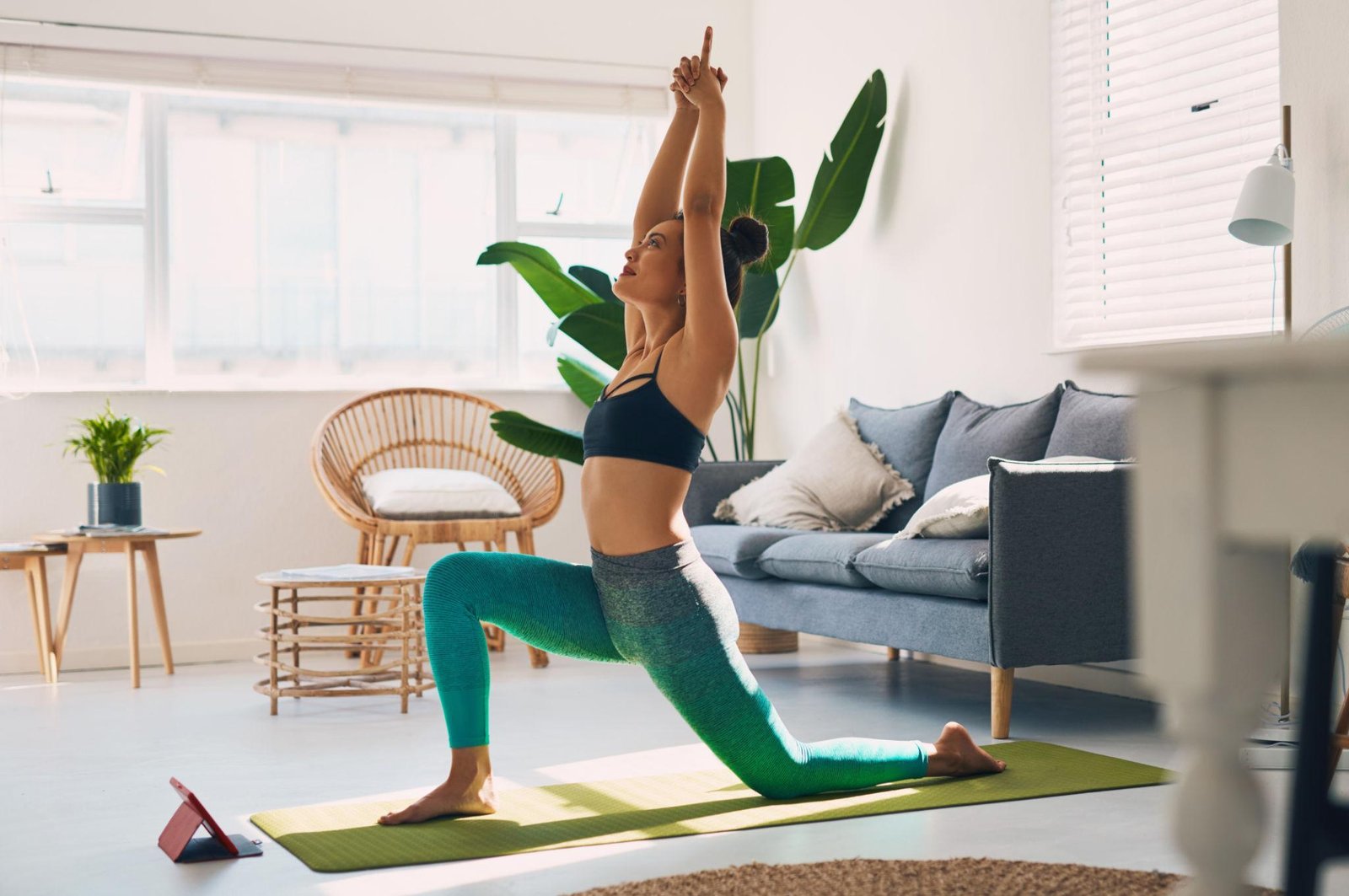
Did you know that over 60 million Americans practiced yoga in 2025? This ancient discipline, originating in India thousands of years ago, has exploded in popularity worldwide, offering a holistic approach to well-being. Yoga is far more than just physical postures; it’s a comprehensive system designed to unite the body, mind, and spirit. This ultimate guide will delve deep into the world of yoga, exploring its profound benefits, diverse styles, essential poses, and how you can integrate this transformative practice into your life in 2026. Whether you’re a curious beginner or an experienced yogi looking to deepen your understanding, prepare to unlock a new level of health, peace, and vitality.
What Exactly is Yoga? Unveiling the Ancient Roots
At its core, yoga is a Sanskrit word meaning “to yoke” or “to unite.” This union refers to the integration of the individual consciousness with the universal consciousness, a profound spiritual goal. However, in the modern Western world, yoga is often primarily associated with its physical aspect, known as asana. While asana is a vital component, it’s just one of the eight limbs of yoga as described by the sage Patanjali in his seminal work, the Yoga Sutras.
The eight limbs provide a roadmap for a balanced and fulfilling life:
- Yama (Ethical restraints): These are universal moral commandments that guide our interactions with the world. They include ahimsa (non-violence), satya (truthfulness), asteya (non-stealing), brahmacharya (continence or right use of energy), and aparigraha (non-possessiveness).
- Niyama (Observances): These are personal observances that foster inner discipline. They include saucha (purity), santosa (contentment), tapas (austerity or discipline), svadhyaya (self-study), and ishvara pranidhana (surrender to a higher power).
- Asana (Physical postures): The postures we commonly associate with yoga, designed to prepare the body for meditation by building strength, flexibility, and balance.
- Pranayama (Breath control): Techniques for regulating breath to influence vital energy (prana) and calm the mind.
- Pratyahara (Withdrawal of the senses): The ability to turn inward, detaching from external stimuli.
- Dharana (Concentration): Focusing the mind on a single point.
- Dhyana (Meditation): A sustained, effortless state of contemplation.
- Samadhi (Enlightenment or bliss): A state of profound peace and unity.
Understanding these limbs reveals that yoga is a holistic system encompassing physical, mental, emotional, and spiritual dimensions, aiming for overall well-being and self-realization.
The Astonishing Benefits of a Consistent Yoga Practice
The popularity of yoga isn’t just a fleeting trend; it’s fueled by a wealth of scientifically validated benefits that impact nearly every facet of life. From enhancing physical health to cultivating mental clarity and emotional resilience, yoga offers a powerful toolkit for navigating the complexities of modern living in 2026.
Physical Health Transformations
The physical benefits of yoga are perhaps the most immediately apparent. Regular practice can lead to significant improvements in:
- Flexibility and Mobility: Yoga poses gently stretch muscles and connective tissues, gradually increasing range of motion in joints. This can alleviate stiffness, improve posture, and reduce the risk of injuries. Think of a marathon runner incorporating yoga to prevent hamstring tears or an office worker using it to combat the effects of prolonged sitting.
- Strength and Muscle Tone: Many yoga poses require holding your body weight, building functional strength in muscles throughout your body. Poses like Plank, Chaturanga, and Warrior series engage core muscles, arms, legs, and back, leading to a toned and resilient physique.
- Cardiovascular Health: While not always a high-intensity cardiovascular workout, certain styles like Vinyasa or Ashtanga can elevate heart rate. More importantly, yoga’s stress-reducing effects contribute significantly to heart health by lowering blood pressure and reducing the risk of heart disease. Studies published in reputable journals like the Journal of the American Heart Association have highlighted yoga’s positive impact on cardiovascular risk factors.
- Pain Management and Injury Prevention: Yoga can be incredibly effective in managing chronic pain, particularly back pain, arthritis, and fibromyalgia. By strengthening supporting muscles, improving posture, and increasing body awareness, yoga helps prevent future injuries. For instance, a construction worker with a physically demanding job can use yoga to build core strength and flexibility, reducing their susceptibility to back strain.
- Improved Respiration: Pranayama, the yogic practice of breath control, directly enhances lung capacity and efficiency. Deep, conscious breathing can increase oxygen intake, reduce stress, and promote a sense of calm.
- Better Balance and Coordination: Many poses challenge your balance, forcing your body to make micro-adjustments. This practice sharpens proprioception (your body’s awareness in space) and improves overall coordination, which is crucial for preventing falls, especially as we age.
- Digestive Health: Certain yoga poses can stimulate the abdominal organs, aiding digestion and alleviating issues like bloating and constipation. Twisting poses, in particular, are known for their detoxifying effects on the digestive system.
- Boosted Immunity: By reducing stress hormones and promoting better circulation and lymphatic drainage, yoga can help bolster the immune system, making you more resilient to illness.
Mental and Emotional Well-being
The impact of yoga extends far beyond the physical, offering profound benefits for mental and emotional health:
- Stress Reduction: This is perhaps the most celebrated benefit. Yoga activates the parasympathetic nervous system, the body’s “rest and digest” mode, counteracting the chronic “fight or flight” response often triggered by modern stressors. The combination of mindful movement, breathwork, and meditation calms the nervous system, lowering cortisol levels.
- Anxiety and Depression Relief: Numerous studies have shown yoga’s efficacy in reducing symptoms of anxiety and depression. The practice encourages mindfulness, self-compassion, and a greater sense of control over one’s emotional state.
- Improved Focus and Concentration: The meditative aspect of yoga, involving concentration on breath and body sensations, trains the brain to stay present and less prone to distraction. This enhanced focus can spill over into daily tasks, improving productivity and cognitive function.
- Enhanced Self-Awareness: Yoga encourages you to pay close attention to your body’s signals, your thoughts, and your emotions without judgment. This heightened self-awareness is a cornerstone of emotional intelligence and personal growth.
- Better Sleep Quality: By calming the mind and reducing physical tension, a regular yoga practice can significantly improve sleep onset, duration, and overall quality. Evening yoga routines can be particularly beneficial.
- Increased Self-Esteem and Body Positivity: Yoga fosters a non-competitive environment where the focus is on personal progress and self-acceptance. This can lead to a more positive body image and increased confidence.
- Emotional Regulation: Learning to observe thoughts and feelings without immediate reaction, a skill honed in yoga, helps individuals manage emotional responses more effectively.
Exploring the Diverse World of Yoga Styles
The term “yoga” encompasses a vast array of traditions and styles, each with its unique emphasis and approach. Finding the right style can make all the difference in your journey. Here are some of the most popular styles practiced today:
Hatha Yoga: The Foundation
Hatha yoga is often used as a general term for the physical practice of yoga. However, when a class is specifically labeled “Hatha,” it typically refers to a slower-paced class that focuses on foundational poses and breathwork. It’s an excellent starting point for beginners, offering a gentle introduction to basic asanas and alignment principles. Classes usually involve holding poses for a few breaths, allowing time to feel the sensations in the body and understand the mechanics of each posture.
Vinyasa Yoga: The Flowing Dance
Vinyasa yoga is characterized by its fluid, movement-intensive style. Poses are linked together with the breath in a continuous flow, often resembling a dance. A typical Vinyasa class might involve sequences like Sun Salutations, where movements are synchronized with inhalations and exhalations. This style builds heat, increases cardiovascular fitness, and develops strength and flexibility. It’s dynamic and can be quite athletic, making it popular among those seeking a more vigorous practice.
Ashtanga Yoga: The Disciplined Path
Ashtanga yoga is a physically demanding style that follows a specific, progressive sequence of poses. There are six series in Ashtanga, each building upon the previous one. Practitioners move through the series at their own pace, often in a “Mysore style” class where they receive individual guidance from the teacher. Ashtanga emphasizes vinyasa (the linking of breath and movement), ujjayi breath (victorious breath), bandhas (energy locks), and drishti (gazing points). It requires dedication and discipline but offers immense benefits in strength, stamina, and mental focus.
Iyengar Yoga: Precision and Alignment
Developed by B.K.S. Iyengar, this style places a strong emphasis on precise anatomical alignment in each pose. Iyengar yoga often utilizes props such as blocks, straps, blankets, and chairs to help students achieve correct alignment, regardless of their flexibility or strength. This meticulous approach makes it ideal for learning the fundamentals of posture, preventing injuries, and working with physical limitations. It’s a slower, more deliberate practice focused on holding poses for extended periods.
Bikram Yoga: The Heated Challenge
Bikram yoga consists of a specific sequence of 26 postures and two breathing exercises performed in a room heated to approximately 105°F (40.5°C) with 40% humidity. The heat is intended to warm muscles, allowing for deeper stretching and detoxification through sweating. While proponents praise its therapeutic benefits, the intense heat and humidity can be challenging and may not be suitable for everyone, particularly those with certain medical conditions. It’s important to stay well-hydrated.
Restorative Yoga: The Gentle Release
Restorative yoga is all about deep relaxation and passive stretching. Poses are held for extended periods (often 5-10 minutes or longer) with the generous use of props like bolsters, blankets, and blocks to fully support the body. The goal is to release tension and calm the nervous system without any muscular effort. This style is incredibly beneficial for stress reduction, recovery from illness or injury, and promoting a sense of deep peace.
Yin Yoga: The Deep Stretch
Yin yoga targets the deep connective tissues of the body – the fascia, ligaments, joints, and bones. Poses are typically held for longer durations (3-5 minutes or more) and are mostly seated or lying down. The practice is slow and meditative, encouraging stillness and introspection. Yin yoga complements more active (yang) yoga styles by increasing flexibility in areas not easily reached by muscular effort, improving joint mobility, and cultivating patience.
Kundalini Yoga: The Awakening Energy
Kundalini yoga is a more spiritual and energetic practice. It combines asanas, dynamic movement, pranayama, chanting (mantra), meditation, and specific hand gestures (mudras) to awaken the kundalini energy believed to reside at the base of the spine. Classes are often dynamic and can be physically and mentally intense, aiming to enhance consciousness, vitality, and spiritual awareness.
Jivamukti Yoga: The Compassionate Path
Jivamukti yoga integrates spiritual teachings, chanting, meditation, music, and vigorous vinyasa flow. It emphasizes ethical principles, including non-violence (ahimsa), and encourages students to see yoga as a path to spiritual enlightenment and social change.
Essential Yoga Poses for Beginners: Building a Solid Foundation
Starting with a few fundamental poses can build confidence and prepare your body for more complex postures. Here are some essential asanas for beginners:
1. Mountain Pose (Tadasana)
- How to: Stand with your feet together or hip-width apart, toes pointing forward. Ground down through your feet, feeling the four corners of each foot. Lengthen your spine, draw your shoulders down and back, and let your arms hang by your sides, palms facing forward. Engage your thigh muscles and gently tuck your tailbone.
- Benefits: Improves posture, grounding, body awareness, and stability. It’s the foundation for many standing poses.
2. Downward-Facing Dog (Adho Mukha Svanasana)
- How to: Start on your hands and knees, with wrists under shoulders and knees under hips. Tuck your toes and lift your hips up and back, forming an inverted V-shape. Spread your fingers wide, press firmly into your palms, and let your head hang gently between your arms. You can keep a slight bend in your knees if your hamstrings are tight.
- Benefits: Stretches the shoulders, hamstrings, calves, and spine. Strengthens the arms and legs. Energizes the body and calms the mind.
3. Warrior II (Virabhadrasana II)
- How to: Step your feet wide apart. Turn your right foot out 90 degrees and your left foot in slightly. Align your right heel with the arch of your left foot. Bend your right knee directly over your right ankle, keeping your thigh parallel to the floor if possible. Extend your arms out to the sides at shoulder height, parallel to the floor, with palms facing down. Gaze over your right fingertips. Repeat on the other side.
- Benefits: Strengthens the legs and ankles, opens the hips and chest, builds stamina and concentration.
4. Triangle Pose (Trikonasana)
- How to: From a wide stance (similar to Warrior II preparation), straighten your front (right) leg. Hinge at your right hip, extending your torso forward, then lower your right hand towards your shin, ankle, or the floor. Extend your left arm straight up towards the ceiling, stacking your shoulders. Gaze upwards if comfortable for your neck. Keep both legs engaged. Repeat on the other side.
- Benefits: Stretches the legs, hips, and torso. Improves digestion and relieves stress.
5. Child’s Pose (Balasana)
- How to: Kneel on the floor with your big toes touching. Separate your knees hip-width apart or wider. Exhale and lower your torso between your thighs. Rest your forehead on the mat and extend your arms forward or rest them alongside your body. Allow your body to relax completely.
- Benefits: Gentle resting pose that calms the mind, relieves stress and fatigue, and gently stretches the hips, thighs, and ankles.
6. Cat-Cow Pose (Marjaryasana-Bitilasana)
- How to: Start on your hands and knees. As you inhale, drop your belly, lift your chest and tailbone, and gaze slightly upward (Cow pose). As you exhale, round your spine towards the ceiling, tuck your chin to your chest, and draw your navel towards your spine (Cat pose). Flow between these two poses, coordinating with your breath.
- Benefits: Warms up the spine, improves flexibility, relieves back pain, and massages abdominal organs.
7. Corpse Pose (Savasana)
- How to: Lie flat on your back with your legs extended and feet falling open naturally. Let your arms rest by your sides, a little away from your body, with palms facing up. Close your eyes and consciously release all tension from your body, starting from your toes and moving up to the crown of your head. Allow yourself to rest completely.
- Benefits: The most important pose for integrating the benefits of the practice. Promotes deep relaxation, reduces stress, and allows the body and mind to absorb the effects of the yoga session.
The Power of Breath: Mastering Pranayama
Pranayama, the yogic science of breath control, is a cornerstone of the practice. It’s not just about breathing; it’s about consciously directing and expanding your vital life force energy (prana). Regular pranayama practice can profoundly impact your physical and mental state.
1. Diaphragmatic Breathing (Belly Breathing)
- How to: Lie on your back or sit comfortably. Place one hand on your chest and the other on your belly, just below your rib cage. Inhale deeply through your nose, allowing your belly to rise as your diaphragm contracts. Your chest hand should remain relatively still. Exhale slowly through your nose or mouth, allowing your belly to fall.
- Benefits: Activates the parasympathetic nervous system, reduces stress, improves oxygenation, and promotes relaxation. This is the foundation for all other breathing techniques.
2. Ujjayi Breath (Victorious Breath)
- How to: Sit comfortably. Gently constrict the back of your throat, as if you were fogging up a mirror, while inhaling and exhaling through your nose. This creates a soft, oceanic sound. Maintain this gentle constriction throughout the breath.
- Benefits: Builds internal heat, calms the mind, improves focus, and synchronizes breath with movement in Vinyasa and Ashtanga styles.
3. Alternate Nostril Breathing (Nadi Shodhana)
- How to: Sit comfortably with a straight spine. Use your right thumb to close your right nostril and inhale deeply through your left. Then, close your left nostril with your ring finger and exhale through your right. Inhale through your right nostril, then close it with your thumb and exhale through your left. This completes one round. Continue for several rounds.
- Benefits: Balances the left and right hemispheres of the brain, calms the nervous system, reduces anxiety, and improves concentration.
Integrating Yoga into Your Daily Life in 2026
Making yoga a consistent part of your routine is key to reaping its full benefits. Here are some practical tips for integrating it into your busy life:
Finding the Right Class or Teacher
- Experiment: Try different styles and teachers to find what resonates with you. What works for one person might not work for another.
- Consider Your Goals: Are you looking for stress relief, physical fitness, or spiritual growth? Choose a style that aligns with your intentions.
- Teacher’s Experience: Look for experienced teachers who emphasize safety, proper alignment, and offer modifications.
- Online Resources: In 2026, countless high-quality online yoga classes and apps are available, offering flexibility for home practice. Platforms like Glo, Yoga With Adriene, and Alo Moves offer diverse options.
Creating a Home Practice Space
- Dedicated Area: Even a small corner can become your sanctuary. Keep it clean, calm, and inviting.
- Essential Gear: A non-slip yoga mat is crucial. Blocks, straps, and blankets can enhance your practice, especially for beginners or those with limitations.
- Consistency Over Intensity: Aim for shorter, more frequent practices rather than infrequent, long sessions. Even 15-20 minutes daily can make a significant difference.
- Mindful Routine: Try to practice at the same time each day to build a habit. Morning yoga can energize you for the day, while evening yoga can help you unwind.
Listening to Your Body
- Non-Competition: Yoga is a personal journey. Avoid comparing yourself to others. Focus on your own experience and progress.
- Respect Limitations: Never push yourself into pain. Use props and modifications as needed. Yoga is about honoring your body, not forcing it.
- Rest is Essential: Savasana (Corpse Pose) is not optional; it’s where the body integrates the practice. Don’t skip it!
Beyond the Mat: Living the Yogic Principles
The true essence of yoga extends beyond the physical postures. Consider how you can incorporate yogic principles into your daily life:
- Mindfulness: Practice being present in everyday activities, whether eating, walking, or conversing.
- Compassion: Extend kindness and understanding to yourself and others.
- Gratitude: Cultivate appreciation for the small things in life.
- Ethical Living: Consider the impact of your actions on the environment and other beings.
Yoga for Specific Needs and Populations
Yoga’s adaptability makes it beneficial for a wide range of individuals and conditions.
Prenatal Yoga
This specialized practice supports expectant mothers through all trimeskins of pregnancy. Prenatal yoga focuses on poses that relieve common pregnancy discomforts (like back pain and fatigue), build strength for labor, and promote relaxation and connection with the baby. It’s crucial to find a certified prenatal yoga instructor.
Postnatal Yoga
Designed for mothers after childbirth, this practice helps the body recover, rebuild core strength, and address the physical and emotional demands of new motherhood. It often incorporates gentle movements and relaxation techniques.
Yoga for Seniors
Gentle yoga classes, often adapted with chairs and props, can significantly improve balance, flexibility, and strength in older adults. This can enhance independence and quality of life, reducing the risk of falls and promoting overall well-being. Organizations like the National Institute on Aging often provide resources on healthy aging, including the benefits of exercise like yoga.
Yoga for Athletes
Many athletes incorporate yoga into their training regimens to improve flexibility, prevent injuries, enhance recovery, and build mental resilience. Specific poses can target muscle groups prone to tightness in certain sports.
Yoga for Mental Health Conditions
As mentioned earlier, yoga is increasingly recognized as a complementary therapy for anxiety, depression, PTSD, and other mental health challenges. Its mind-body connection helps regulate the nervous system and foster emotional resilience. Always consult with a healthcare professional before using yoga as a treatment for any medical condition.
Frequently Asked Questions about Yoga
What is the most important yoga pose?
While every pose offers unique benefits, Savasana (Corpse Pose) is often considered the most important pose. It’s the final resting pose where the body and mind integrate the physical and energetic effects of the practice. It allows for deep relaxation and rejuvenation, making the entire session truly effective.
How often should I practice yoga?
Consistency is key. Aim for at least 2-3 times per week for noticeable benefits. Even practicing for 15-20 minutes daily can yield significant results. The ideal frequency depends on your goals, lifestyle, and the intensity of your practice.
Do I need to be flexible to practice yoga?
Absolutely not! Flexibility is a result of yoga, not a prerequisite. Yoga is for every body type and fitness level. Many poses can be modified with props like blocks and straps to accommodate different levels of flexibility. The goal is to work within your own limits and gradually improve.
What should I wear to a yoga class?
Wear comfortable, breathable clothing that allows for a full range of motion. Stretchy pants or shorts and a fitted top are ideal. Avoid overly loose clothing that might get in the way or require frequent adjustment. Most studios are informal, so focus on comfort and ease of movement.
Can yoga help with weight loss?
Yoga can contribute to weight management through several mechanisms. More vigorous styles like Vinyasa or Ashtanga can burn calories and build muscle, which boosts metabolism. Furthermore, yoga’s stress-reducing effects can help curb emotional eating, and its emphasis on mindful eating can lead to healthier dietary choices. While not solely a weight-loss tool, it’s a powerful component of a healthy lifestyle.
What is the difference between yoga and Pilates?
While both disciplines focus on mind-body connection, core strength, and flexibility, they differ significantly. Pilates emphasizes precise, controlled movements, often using specialized equipment, with a primary focus on strengthening the deep core muscles. Yoga, rooted in ancient Indian philosophy, encompasses a broader range of physical postures, breathwork, meditation, and ethical principles, aiming for holistic well-being and spiritual growth. Many people find value in practicing both.
The Future of Yoga in 2026 and Beyond
As we navigate 2026, yoga continues to evolve, integrating with technology and scientific research while staying true to its ancient roots. We see a growing trend towards personalized yoga experiences, leveraging data and AI to tailor practices to individual needs and goals. The therapeutic applications of yoga are gaining wider recognition in mainstream healthcare, with more research exploring its benefits for chronic conditions and mental health.
Moreover, there’s a renewed emphasis on the spiritual and philosophical aspects of yoga, moving beyond the purely physical. As global challenges mount, the principles of mindfulness, compassion, and interconnectedness that yoga fosters are more relevant than ever. The practice offers a powerful antidote to the stresses of modern life, providing tools for resilience, inner peace, and a deeper connection to ourselves and the world around us.
Whether you’re seeking physical vitality, mental clarity, or spiritual connection, the timeless wisdom of yoga offers a path. Embrace the journey, listen to your body, and discover the profound transformation that awaits on and off the mat. The practice of yoga is an ongoing exploration, a lifelong journey of self-discovery and well-being.
Read: Walking Benefits: 7 Proven Ways to Boost Your Health 2026