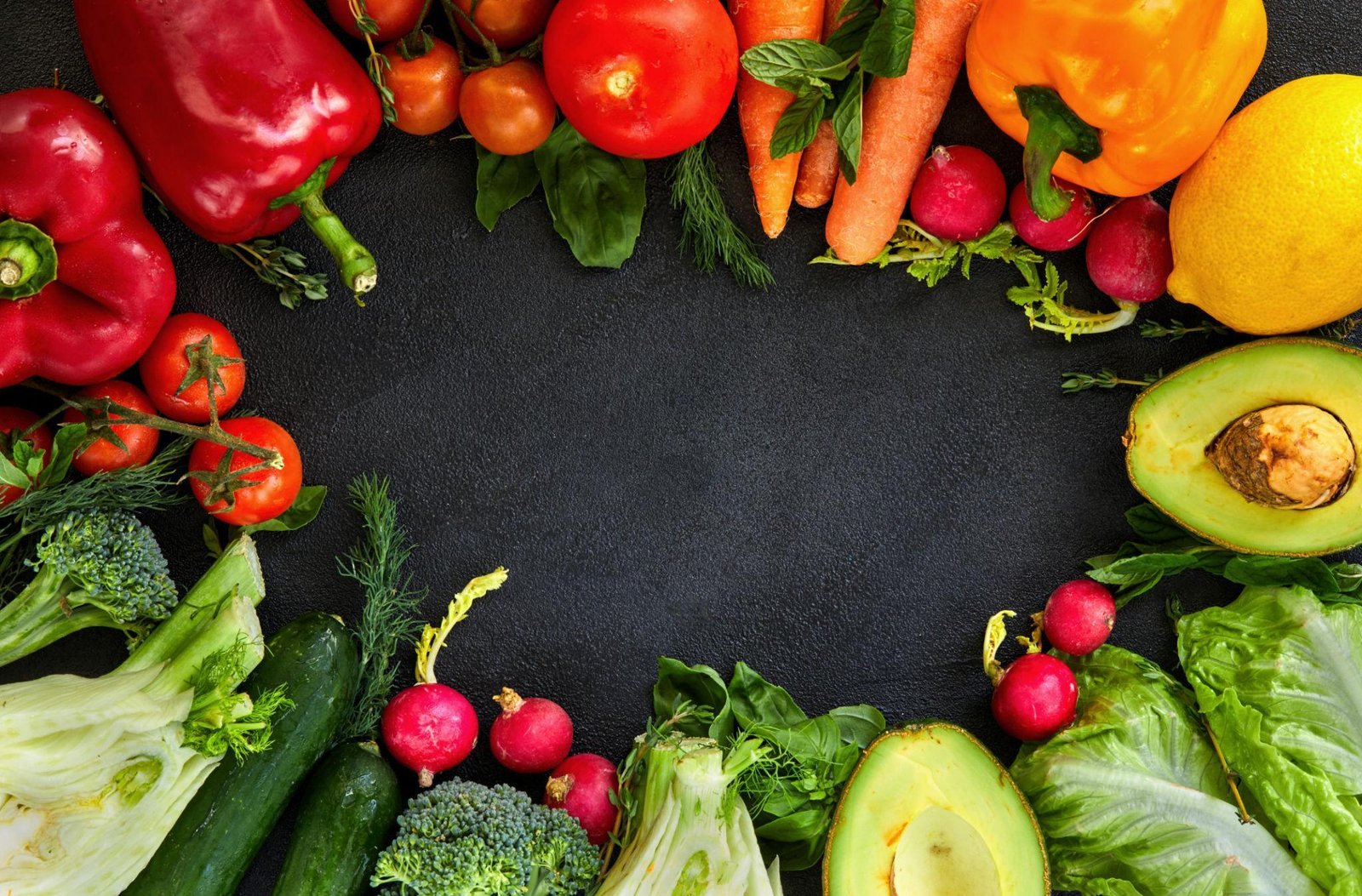
10 Astonishing Healthy Eating Habits for 2026
Are you tired of feeling sluggish, uninspired, and simply not yourself? The secret to unlocking a vibrant, energized, and fulfilling life might be simpler…


Are you tired of feeling sluggish, uninspired, and simply not yourself? The secret to unlocking a vibrant, energized, and fulfilling life might be simpler than you think. It all starts with what you put on your plate. Adopting healthy eating habits isn’t just about managing your weight; it’s a cornerstone of a better lifestyle, impacting everything from your mood and energy levels to your long-term health and cognitive function. In 2026, making conscious food choices is more crucial than ever for navigating the demands of modern living. This comprehensive guide will delve deep into the most impactful healthy eating habits that can truly revolutionize your lifestyle, empowering you to feel your absolute best.
We’ll explore not just what to eat, but how and when to eat, uncovering the science behind these practices and providing actionable strategies you can implement immediately. From understanding macronutrients and micronutrients to mastering mindful eating and smart meal planning, this article is your ultimate roadmap to a healthier, happier you. Get ready to transform your relationship with food and, in turn, transform your entire lifestyle.
The Undeniable Power of Nutrition: Fueling Your Best Life
Before we dive into specific habits, let’s establish why nutrition is so profoundly important. Food is more than just sustenance; it’s the fuel that powers every cell in your body, influences your brain chemistry, and plays a critical role in preventing chronic diseases. In 2026, with increasing awareness of the links between diet and overall well-being, prioritizing healthy eating habits is no longer a trend, but a fundamental necessity for a better lifestyle.
What Exactly Are Healthy Eating Habits?
At its core, healthy eating habits refer to a consistent pattern of making food choices that promote good health and well-being. This doesn’t mean rigid dieting or deprivation. Instead, it’s about balance, variety, and moderation, focusing on nutrient-dense foods that provide essential vitamins, minerals, fiber, and healthy fats. It also encompasses mindful consumption, understanding your body’s hunger and fullness cues, and developing a positive relationship with food.
The Ripple Effect: How Food Impacts Your Entire Lifestyle
The benefits of adopting healthy eating habits extend far beyond the physical. Consider these powerful impacts on your lifestyle:
- Boosted Energy Levels: Nutrient-rich foods provide sustained energy, combating fatigue and improving productivity.
- Improved Mood and Mental Clarity: Specific nutrients are vital for brain function, helping to regulate mood, reduce anxiety, and enhance focus.
- Stronger Immune System: A balanced diet equips your body to fight off infections and illnesses more effectively.
- Reduced Risk of Chronic Diseases: Consistent healthy eating habits are a powerful tool in preventing conditions like heart disease, type 2 diabetes, and certain cancers.
- Better Sleep Quality: Certain foods and eating patterns can positively influence your sleep cycles.
- Enhanced Physical Performance: Whether you’re an athlete or just aiming for daily activity, good nutrition supports muscle repair and energy production.
- Healthier Skin and Hair: The nutrients you consume directly impact the health and appearance of your skin and hair.
- Greater Longevity and Quality of Life: Ultimately, healthy eating habits contribute to a longer, more vibrant, and independent life.
Mastering Your Plate: The Core Healthy Eating Habits for 2026
Now, let’s get down to the actionable strategies. These are the healthy eating habits that form the foundation of a better lifestyle.
1. Prioritize Whole, Unprocessed Foods
This is perhaps the most fundamental healthy eating habit. Whole foods are foods that are in their natural state, or as close to it as possible. Think fruits, vegetables, whole grains, lean proteins, nuts, and seeds.
- Why it Matters: Processed foods are often laden with added sugars, unhealthy fats, sodium, and artificial ingredients. These can contribute to inflammation, weight gain, and a host of health problems. Whole foods, on the other hand, are packed with the vitamins, minerals, fiber, and antioxidants your body needs to thrive.
- Actionable Steps:
- Fill half your plate with vegetables and fruits: Aim for a variety of colors to ensure a broad spectrum of nutrients.
- Choose whole grains: Opt for brown rice, quinoa, oats, whole wheat bread, and pasta over refined grains like white rice and white bread.
- Incorporate lean proteins: Select fish, poultry, beans, lentils, tofu, and tempeh.
- Include healthy fats: Avocados, nuts, seeds, and olive oil are excellent sources.
- Read labels carefully: If a food has a long list of ingredients you can’t pronounce, it’s likely highly processed.
2. Embrace Hydration: Water is Your Best Friend
Often overlooked, adequate hydration is a critical component of healthy eating habits and a better lifestyle. Water is essential for virtually every bodily function.
- Why it Matters: Water helps regulate body temperature, transports nutrients, lubricates joints, aids digestion, and flushes out waste products. Dehydration can lead to fatigue, headaches, poor concentration, and constipation.
- Actionable Steps:
- Carry a reusable water bottle: Keep it with you throughout the day and sip regularly.
- Start your day with water: Drink a glass upon waking to rehydrate after sleep.
- Drink water before meals: This can aid digestion and help you feel fuller, potentially reducing overeating.
- Listen to your body: Thirst is a sign you’re already slightly dehydrated.
- Limit sugary drinks: Sodas, sweetened teas, and juices contribute empty calories and can hinder your health goals.
3. Practice Mindful Eating: Savor Every Bite
Mindful eating is about paying full attention to the experience of eating and drinking, as well as to your body’s signals of hunger and fullness. It’s a powerful antidote to mindless snacking and overeating.
- Why it Matters: When you eat mindfully, you’re more likely to recognize when you’re truly hungry and when you’re satisfied. This can lead to better portion control, improved digestion, and a greater appreciation for your food. It also helps in identifying emotional eating triggers.
- Actionable Steps:
- Eliminate distractions: Turn off the TV, put away your phone, and focus solely on your meal.
- Eat slowly: Give your brain time to register fullness signals, which can take about 20 minutes.
- Chew thoroughly: Break down your food properly to aid digestion and savor flavors.
- Engage your senses: Notice the colors, smells, textures, and tastes of your food.
- Listen to your body’s cues: Stop eating when you feel comfortably full, not stuffed.
4. Strategic Meal Timing and Frequency
The “when” of eating is just as important as the “what.” While individual needs vary, establishing a consistent eating schedule can support your metabolism and energy levels.
- Why it Matters: Regular meal times help regulate blood sugar levels, prevent extreme hunger that can lead to poor choices, and support a healthy metabolism. Skipping meals, especially breakfast, can disrupt these processes.
- Actionable Steps:
- Don’t skip breakfast: This meal kickstarts your metabolism and provides essential energy for the day.
- Aim for balanced meals and snacks: Distribute your food intake throughout the day to maintain steady energy.
- Consider your chronotype: Are you a morning person or a night owl? Align your eating schedule with your natural rhythms.
- Avoid eating too close to bedtime: Give your body time to digest before lying down, which can improve sleep quality.
5. Portion Control: The Art of Moderation
Even healthy foods can contribute to weight gain if consumed in excessive amounts. Understanding and practicing portion control is a vital healthy eating habit.
- Why it Matters: Overeating, even nutritious foods, can lead to a calorie surplus. Mindful portioning helps you consume the right amount of energy and nutrients without overdoing it.
- Actionable Steps:
- Use smaller plates and bowls: This visual trick can make smaller portions appear more satisfying.
- Measure or weigh your food occasionally: This helps you develop a better sense of appropriate serving sizes, especially for calorie-dense foods like nuts and oils.
- Be aware of serving sizes on packaging: They often differ from what we might consider a standard portion.
- Listen to your fullness cues: As mentioned in mindful eating, stop when you’re satisfied.
6. The Power of Fiber: Your Digestive Ally
Fiber is a type of carbohydrate that your body can’t digest, but it plays a crucial role in your health. It’s a cornerstone of healthy eating habits.
- Why it Matters: Fiber aids digestion, promotes regularity, helps control blood sugar levels, and can contribute to feelings of fullness, supporting weight management. It’s also beneficial for heart health.
- Actionable Steps:
- Load up on fruits and vegetables: These are excellent sources of both soluble and insoluble fiber.
- Choose whole grains: Brown rice, oats, quinoa, and whole wheat products are high in fiber.
- Incorporate legumes: Beans, lentils, and peas are fiber powerhouses.
- Gradually increase fiber intake: A sudden increase can cause digestive discomfort. Drink plenty of water as you increase fiber.
7. Smart Snacking: Fueling Between Meals
Snacking isn’t inherently bad; it’s about what you snack on and when. Strategic snacking can prevent overeating at main meals and provide sustained energy.
- Why it Matters: Well-chosen snacks can bridge the gap between meals, providing essential nutrients and preventing energy dips. Poor choices, however, can derail your efforts.
- Actionable Steps:
- Choose nutrient-dense options: Think fruits, vegetables with hummus, a small handful of nuts, Greek yogurt, or hard-boiled eggs.
- Combine protein and fiber: This combination promotes satiety and stable blood sugar.
- Listen to your hunger: Snack only when you genuinely feel hungry, not out of boredom or habit.
- Portion your snacks: Avoid eating directly from large bags or containers.
8. Limit Added Sugars and Refined Carbohydrates
This is a critical habit for improving your lifestyle and overall health. Added sugars and refined carbs offer little nutritional value and can have detrimental effects.
- Why it Matters: Excessive intake of added sugars is linked to weight gain, type 2 diabetes, heart disease, and dental issues. Refined carbohydrates are quickly converted to sugar in the body, leading to blood sugar spikes and crashes.
- Actionable Steps:
- Read food labels: Look for hidden sugars in items like sauces, dressings, cereals, and yogurt.
- Reduce intake of sugary drinks: This is often the biggest source of added sugar in many diets.
- Opt for whole fruits over fruit juices: Whole fruits contain fiber that slows sugar absorption.
- Choose whole grains over refined grains: As mentioned earlier, this provides more fiber and nutrients.
9. Moderate Sodium Intake
While sodium is an essential mineral, most people consume far too much, which can negatively impact blood pressure and cardiovascular health.
- Why it Matters: High sodium intake can lead to water retention and increased blood pressure, raising the risk of heart disease and stroke.
- Actionable Steps:
- Limit processed and packaged foods: These are often high in hidden sodium.
- Cook at home more often: This gives you control over the amount of salt you use.
- Flavor foods with herbs and spices: Experiment with garlic, onion powder, pepper, and various herbs instead of relying solely on salt.
- Rinse canned foods: Rinsing canned beans and vegetables can reduce their sodium content.
10. Incorporate Healthy Fats
Fats have gotten a bad rap over the years, but healthy fats are essential for hormone production, nutrient absorption, and overall health.
- Why it Matters: Unsaturated fats (monounsaturated and polyunsaturated) are crucial for heart health, brain function, and reducing inflammation. They also help you feel full and satisfied.
- Actionable Steps:
- Include sources like: Avocados, nuts (walnuts, almonds), seeds (chia, flax, sunflower), olive oil, and fatty fish (salmon, mackerel).
- Use healthy oils for cooking and dressings: Extra virgin olive oil is a great choice.
- Be mindful of portion sizes: Fats are calorie-dense, so moderation is still key.
Read: 10 Best Healthy Foods for Daily Life