Lose Weight at Home: Ultimate 2026 Fitness Guide
Losing weight at home has become more accessible and effective than ever in 2026, with countless individuals seeking sustainable ways to improve their health…

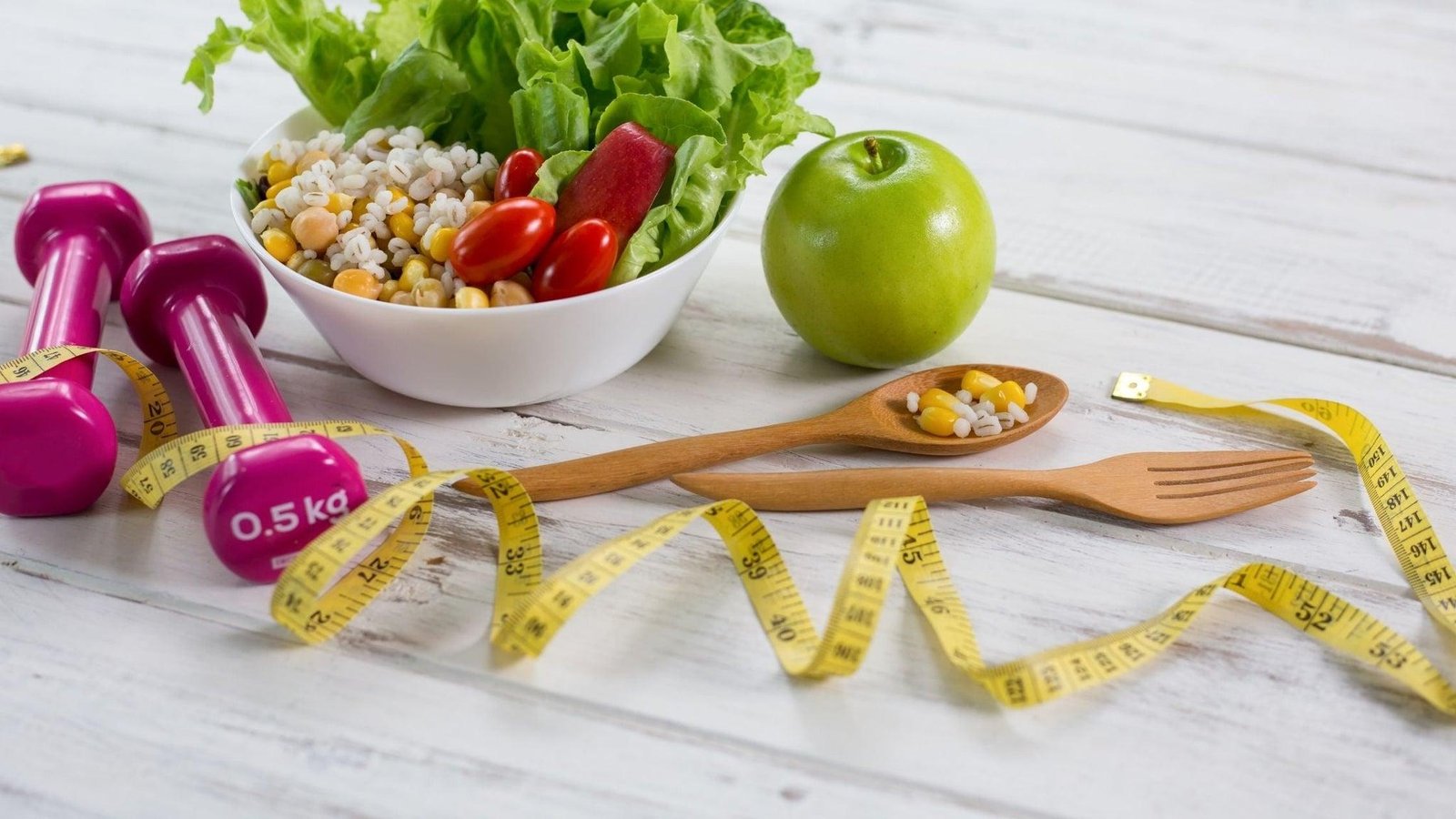
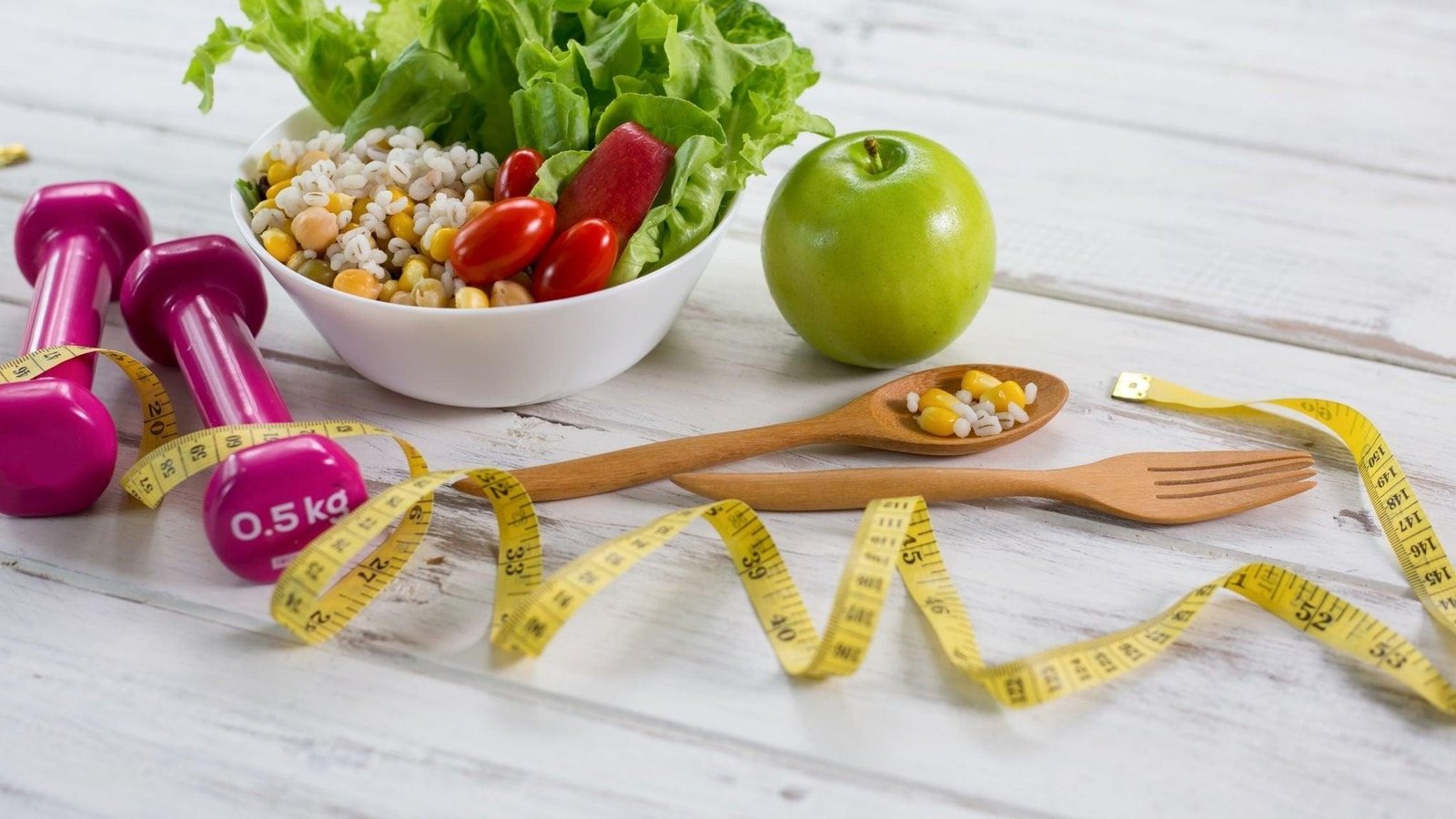
Losing weight at home has become more accessible and effective than ever in 2026, with countless individuals seeking sustainable ways to improve their health without the need for gym memberships or specialized equipment. Did you know that over 40% of adults globally are now actively trying to lose weight, and a significant portion of them are doing so from the comfort of their own homes? This guide will equip you with actionable strategies, evidence-based advice, and practical tips to help you achieve your weight loss goals effectively and safely, right in your living room. We’ll cover everything from nutrition and exercise to mindset and habit formation, ensuring you have a comprehensive roadmap to success.
This article is designed to be your go-to resource for understanding how to lose weight at home efficiently. We’ll delve into the science behind weight management, debunk common myths, and provide you with a clear, step-by-step approach. Whether you’re a beginner or looking to refine your existing routine, the information presented here will empower you to take control of your health and transform your body.

Understanding the Fundamentals of Weight Loss
Before diving into specific strategies, it’s crucial to grasp the basic principles of weight loss. At its core, weight loss occurs when you consistently expend more calories than you consume. This is known as a calorie deficit. Achieving this deficit can be done through two primary avenues: reducing your calorie intake (diet) and increasing your calorie expenditure (exercise and daily activity).
The Calorie Deficit Explained
A calorie is a unit of energy. When we talk about calories in food, we’re referring to the energy our bodies get from consuming it. Calories burned (expended) come from our basal metabolic rate (BMR) – the energy your body needs to perform basic functions at rest – plus the energy used for digestion, physical activity, and any other bodily processes.
To lose weight, you need to create a sustained calorie deficit. For example, a deficit of approximately 3,500 calories equates to roughly one pound of fat loss. This doesn’t mean you need to starve yourself; rather, it emphasizes the importance of a balanced approach. Rapid weight loss is often unsustainable and can be detrimental to your health. Gradual, consistent weight loss, typically 1-2 pounds per week, is generally considered the healthiest and most effective approach. For more detailed information on energy balance and metabolism, the National Institutes of Health (NIH) offers extensive resources on their website. You can explore their National Institute of Diabetes and Digestive and Kidney Diseases for credible insights.
Metabolism: Your Body’s Engine
Your metabolism plays a vital role in weight management. It’s the complex process by which your body converts food and drinks into energy. Factors influencing your metabolism include genetics, age, sex, muscle mass, and activity level. While you can’t drastically change your genetics, you can influence other factors. Building muscle mass, for instance, can significantly boost your resting metabolic rate because muscle tissue burns more calories than fat tissue, even at rest. This is why incorporating strength training into your home workout routine is so beneficial.
The Role of Nutrition in Home Weight Loss
Nutrition is arguably the most critical component of any weight loss journey, especially when aiming to lose weight at home. What you eat directly impacts your calorie intake and the quality of nutrients your body receives. Focusing on whole, unprocessed foods is key.
Macronutrients: The Building Blocks
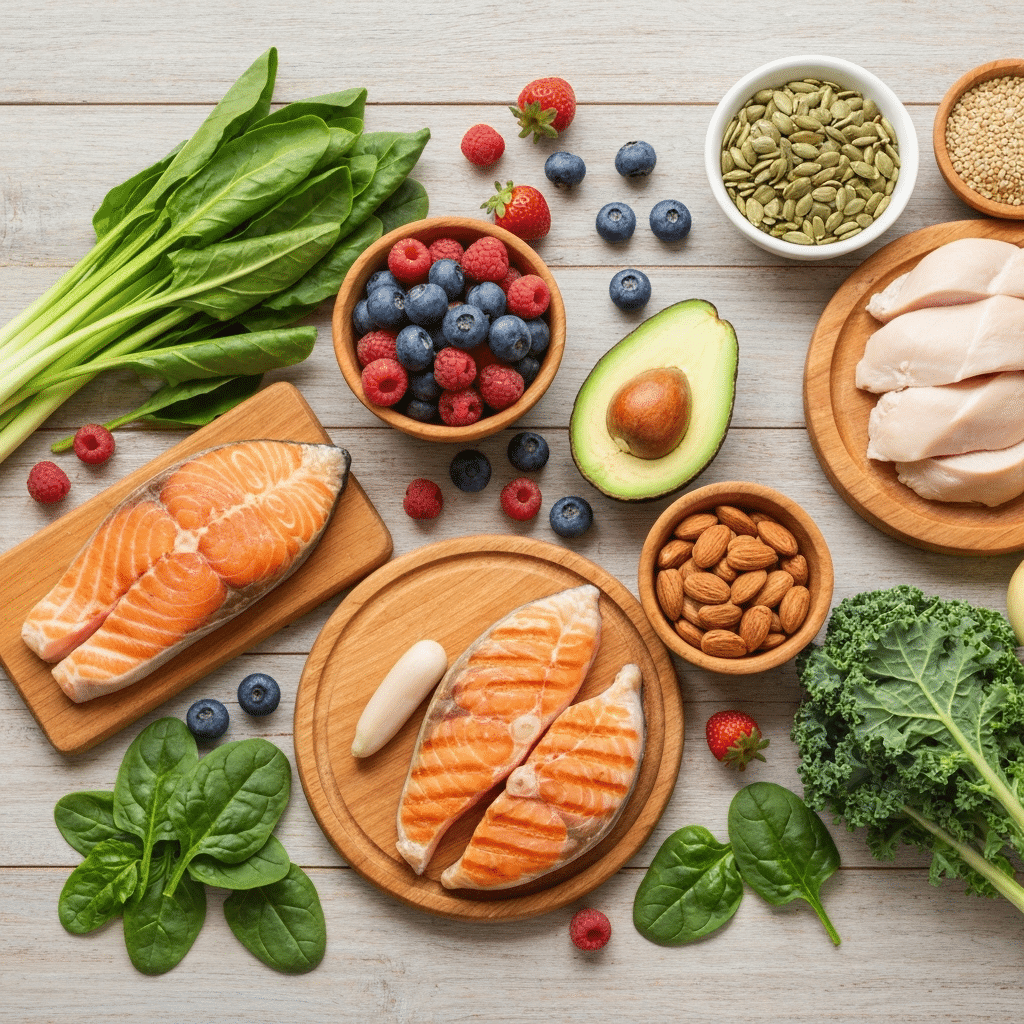
- Proteins: Essential for muscle repair and growth, protein also promotes satiety, helping you feel fuller for longer, which can reduce overall calorie intake. Lean sources include chicken breast, fish, beans, lentils, tofu, and eggs.
- Carbohydrates: Provide energy. Opt for complex carbohydrates like whole grains (oats, quinoa, brown rice), fruits, and vegetables, which are rich in fiber and nutrients and are digested more slowly, preventing blood sugar spikes and crashes.
- Fats: Healthy fats are crucial for hormone production and nutrient absorption. Include sources like avocados, nuts, seeds, and olive oil in moderation.
Micronutrients: Vitamins and Minerals
While not directly contributing to calorie deficit, vitamins and minerals are vital for overall health and ensuring your body functions optimally during weight loss. A balanced diet rich in diverse fruits and vegetables will provide these essential micronutrients.
Hydration: The Unsung Hero
Drinking enough water is often overlooked but is fundamental. Water aids digestion, boosts metabolism, helps control appetite, and is crucial for numerous bodily functions. Aim for at least 8 glasses (64 ounces) of water per day, and more if you’re exercising.
Effective Home Exercise Strategies to Lose Weight
Combining a healthy diet with regular physical activity is the most effective way to lose weight at home. Fortunately, you don’t need a gym to get a great workout. Many effective exercises can be done with minimal or no equipment.
Cardiovascular Exercise at Home
Cardio, or aerobic exercise, is excellent for burning calories and improving cardiovascular health.
- High-Intensity Interval Training (HIIT): HIIT involves short bursts of intense exercise followed by brief recovery periods. This method is highly effective for calorie burning in a shorter amount of time and can boost your metabolism for hours after your workout (the “afterburn effect”). Examples include burpees, jumping jacks, high knees, and mountain climbers performed in intervals. A typical HIIT session might involve 30 seconds of intense work followed by 15-30 seconds of rest, repeated for 15-20 minutes.
- Dancing: Put on your favorite music and dance! It’s a fun way to get your heart rate up and burn calories. There are countless online dance workout videos available for all fitness levels.
- Brisk Walking/Jogging in Place: Simple yet effective. You can increase intensity by incorporating arm movements or adding light weights.
- Jumping Rope: A fantastic calorie-burning activity that also improves coordination and endurance. Even a few minutes can make a difference.
- Stair Climbing: If you have stairs in your home, using them for exercise can be a powerful cardio workout. Go up and down for a set duration or number of repetitions.
Strength Training for Home Weight Loss
Building muscle through strength training is crucial for long-term weight management. Muscle tissue burns more calories at rest than fat tissue, increasing your overall metabolism.
- Bodyweight Exercises: These utilize your own body weight for resistance.
- Squats: Work your glutes, quads, and hamstrings. Ensure proper form: keep your back straight, chest up, and lower as if sitting in a chair.
- Lunges: Target your legs and glutes. Step forward or backward, lowering your hips until both knees are bent at a 90-degree angle.
- Push-ups: Excellent for chest, shoulders, and triceps. Modify by doing them on your knees if needed.
- Plank: A core-strengthening exercise that engages your entire body. Hold a straight line from head to heels.
- Glute Bridges: Target your glutes and hamstrings. Lie on your back with knees bent and lift your hips off the floor.
- Resistance Bands: These versatile and affordable tools can add resistance to many exercises, making them more challenging and effective. They are great for targeting specific muscle groups and can be used for rows, bicep curls, triceps extensions, and more.
- Dumbbells/Kettlebells: If you have access to weights, they can significantly enhance your strength training routine. Many online tutorials demonstrate effective dumbbell and kettlebell exercises for full-body workouts.
Flexibility and Mind-Body Exercises
While not directly focused on calorie burning, flexibility and mind-body exercises contribute to overall well-being, stress reduction, and injury prevention, all of which support your weight loss journey.
- Yoga: Improves flexibility, strength, balance, and mindfulness. Many online platforms offer beginner-friendly yoga routines you can follow at home. Yoga can also be a powerful tool for stress management, which is often linked to emotional eating.
- Pilates: Focuses on core strength, posture, and controlled movements. Pilates can help sculpt your body and improve muscle tone.
- Stretching: Regular stretching keeps your muscles limber and can help prevent the soreness and stiffness associated with new exercise routines.
Creating a Healthy Home Diet Plan
A successful lose weight at home strategy hinges on a well-planned diet. It’s not about deprivation but about making smart, sustainable food choices.
Meal Planning and Preparation
- Plan Your Meals: Dedicate time each week to plan your meals and snacks. This prevents impulsive, unhealthy food choices when hunger strikes.
- Grocery Shopping: Create a grocery list based on your meal plan and stick to it. Focus on the perimeter of the grocery store where fresh produce, lean meats, and dairy are typically located.
- Meal Prep: Prepare some of your meals or components in advance. This could involve chopping vegetables, cooking grains, or portioning out snacks. Having healthy options readily available makes it easier to stay on track.
Portion Control at Home
Even healthy foods can contribute to weight gain if consumed in excessive amounts.
- Use Smaller Plates: This visual trick can make smaller portions appear more satisfying.
- Measure Your Food: Initially, measuring your food can help you understand appropriate portion sizes.
- Mindful Eating: Pay attention to your body’s hunger and fullness cues. Eat slowly, savor your food, and stop when you feel satisfied, not stuffed. Avoid distractions like TV or your phone while eating.
Healthy Snack Ideas
Snacks can help manage hunger between meals and prevent overeating. Choose nutrient-dense options:
- Fruits: Apples, berries, bananas, oranges.
- Vegetables: Carrot sticks, cucumber slices, bell pepper strips with hummus.
- Nuts and Seeds: A small handful of almonds, walnuts, or pumpkin seeds.
- Yogurt: Plain Greek yogurt with a few berries.
- Hard-boiled eggs.
Hydration Goals
As mentioned earlier, staying hydrated is crucial. Keep a water bottle with you throughout the day and sip regularly. Herbal teas and sparkling water can also contribute to your fluid intake without adding calories.
The Power of Mindset and Habit Formation
Sustainable weight loss is as much a mental game as it is a physical one. Cultivating the right mindset and building healthy habits are essential for long-term success.
Setting Realistic Goals
- SMART Goals: Ensure your goals are Specific, Measurable, Achievable, Relevant, and Time-bound. Instead of “lose weight,” aim for “lose 5 pounds in the next 4 weeks by exercising 3 times a week and tracking my meals.”
- Focus on Progress, Not Perfection: There will be days when you slip up. Don’t let one unhealthy meal or missed workout derail your entire effort. Acknowledge it, learn from it, and get back on track.
Building Healthy Habits
Habits are the foundation of lasting change. Focus on incorporating small, consistent changes rather than attempting a complete overhaul.
- Start Small: If you’re new to exercise, begin with 15-20 minutes of activity a few times a week and gradually increase duration and intensity.
- Consistency is Key: Aim for consistency over intensity, especially in the beginning. A 20-minute walk every day is often more beneficial than one 2-hour intense workout per week.
- Track Your Progress: Monitor your weight, measurements, energy levels, and how your clothes fit. This provides motivation and helps you identify what’s working. Apps like MyFitnessPal or Lose It! can be helpful tools for tracking food intake and exercise.
- Find Your “Why”: Understand your motivation for wanting to lose weight. Is it for health, energy, self-confidence, or to keep up with your children? Connecting with your deeper reasons can provide sustained motivation.
Stress Management and Sleep
- Stress: Chronic stress can lead to increased cortisol levels, which can promote fat storage, particularly around the abdomen, and trigger cravings for unhealthy foods. Incorporate stress-reducing activities like meditation, deep breathing exercises, or spending time in nature.
- Sleep: Aim for 7-9 hours of quality sleep per night. Lack of sleep can disrupt hormones that regulate appetite, leading to increased hunger and cravings.
Sample Weekly Plan to Lose Weight at Home
This sample plan provides a framework. Adjust it based on your preferences, fitness level, and dietary needs.
Monday
- Morning: 30-minute brisk walk or jog in place.
- Diet: Balanced meals focusing on lean protein, complex carbs, and plenty of vegetables.
- Hydration: Aim for 8 glasses of water.
Tuesday
- Morning: 25-minute HIIT workout (e.g., 30 seconds on, 15 seconds off: jumping jacks, squats, push-ups, lunges, burpees).
- Diet: Focus on high-protein meals to aid muscle recovery.
- Hydration: Ensure adequate water intake.
Wednesday
- Morning: 40-minute yoga or Pilates session.
- Diet: Incorporate healthy fats like avocado and nuts.
- Hydration: Continue consistent water intake.
Thursday
- Morning: 30-minute bodyweight strength training (squats, lunges, planks, push-ups, glute bridges).
- Diet: Emphasize fiber-rich foods like beans and whole grains.
- Hydration: Keep sipping water.
Friday
- Morning: 30-minute dance workout or another cardio session of choice.
- Diet: Enjoy healthy, home-cooked meals.
- Hydration: Maintain hydration levels.
Saturday
- Morning: Active recovery – a long walk, light stretching, or a gentle bike ride if possible.
- Diet: Allow for a slightly more flexible meal, but maintain portion control and focus on whole foods.
- Hydration: Don’t forget water!
Sunday
- Morning: Rest or light activity like stretching. Focus on meal planning and prepping for the week ahead.
- Diet: Plan and prepare healthy meals for the upcoming week.
- Hydration: Stay hydrated.
Overcoming Common Challenges When You Lose Weight at Home
- Lack of Motivation: Find an accountability partner, join online fitness communities, or reward yourself for milestones. Remember your “why.”
- Boredom: Variety is key. Try new recipes, explore different workout styles, and find activities you genuinely enjoy.
- Time Constraints: Even 15-20 minutes of focused activity can make a difference. Break up your workouts if needed.
- Cravings: Identify triggers for cravings. Often, they are linked to stress, boredom, or dehydration. Have healthy snacks readily available. Ensure you’re eating enough protein and fiber.
- Plateaus: Weight loss plateaus are normal. Re-evaluate your diet and exercise routine. Consider increasing intensity, duration, or changing your workout type. Sometimes, a short break from strict dieting can help reset your metabolism.
The Long-Term Vision: Maintaining Your Weight Loss
Losing weight is an accomplishment, but maintaining that loss requires ongoing commitment. Focus on integrating healthy eating and regular activity into your lifestyle permanently. Continue to monitor your progress, adjust your habits as needed, and celebrate your successes along the way. Remember that weight management is a journey, not a destination. For comprehensive guidance on maintaining a healthy weight, the Centers for Disease Control and Prevention (CDC) offers excellent resources at CDC Weight Management.
Conclusion
Losing weight at home in 2026 is entirely achievable with the right knowledge, strategies, and mindset. By focusing on a balanced calorie deficit through nutritious eating and consistent home-based exercise, you can make significant progress towards your health goals. Remember to prioritize hydration, manage stress, get adequate sleep, and build sustainable habits. Consistency, patience, and self-compassion are your greatest allies on this journey. Embrace the process, celebrate your achievements, and enjoy the benefits of a healthier, happier you. For further insights into healthy lifestyle choices, consider exploring resources from reputable health organizations like the World Health Organization (WHO) at WHO Healthy Diet.
Frequently Asked Questions
What is the most effective way to lose weight at home?
The most effective way to lose weight at home involves creating a consistent calorie deficit through a combination of a balanced, nutrient-dense diet and regular physical activity. Incorporating both cardiovascular exercise for calorie burning and strength training to build muscle mass is crucial for sustainable weight loss and boosting metabolism.
How much weight can I realistically lose at home in a month?
A realistic and healthy rate of weight loss is typically 1-2 pounds per week. Therefore, you could aim to lose between 4 and 8 pounds per month. Faster weight loss is often unsustainable and can be detrimental to your health.
Do I need special equipment to lose weight at home?
No, you don’t need special equipment. Bodyweight exercises like squats, push-ups, lunges, and planks are highly effective. Resistance bands and dumbbells are affordable additions that can enhance your workouts, but they are not essential to start.
How can I stay motivated to lose weight at home?
Staying motivated involves setting realistic goals, tracking your progress, finding activities you enjoy, and establishing a support system. Remember your core reasons for wanting to lose weight, celebrate small victories, and be kind to yourself on challenging days. Online communities and workout buddies can also provide accountability and encouragement.
Is it better to focus on diet or exercise for weight loss at home?
Both diet and exercise are critical for effective and sustainable weight loss. However, diet generally plays a larger role in creating the calorie deficit needed for weight loss. You can’t out-exercise a poor diet. Focusing on both provides the best results for overall health and long-term success.
How can I avoid cravings when trying to lose weight at home?
To avoid cravings, focus on eating regular, balanced meals that include protein and fiber to promote satiety. Stay well-hydrated, as thirst can sometimes be mistaken for hunger. Identify your craving triggers (stress, boredom) and find alternative coping mechanisms. Having healthy snacks readily available can also help manage sudden urges.
Read: Fat Loss Foods: 7 Essential Foods for 2026