The Ultimate Guide: 7 Protein Foods for Peak 2026 Health
Did you know that a staggering 75% of adults in the United States don’t consume enough protein daily? This vital macronutrient is the cornerstone…

Did you know that a staggering 75% of adults in the United States don’t consume enough protein daily? This vital macronutrient is the cornerstone of a healthy, energetic life, yet it’s often overlooked. Protein foods are essential for building and repairing tissues, supporting immune function, and keeping you feeling full and satisfied. In 2026, understanding your protein intake is more crucial than ever for maintaining optimal health and achieving your fitness goals. This comprehensive guide will delve deep into the world of protein foods, exploring why they matter, where to find them, and how to incorporate them effectively into your diet.
Understanding the Power of Protein
Before we dive into the delicious world of protein-rich foods, let’s clarify what protein actually is and why it’s so indispensable. Protein is a complex molecule made up of smaller units called amino acids. Think of amino acids as the building blocks of your body. There are 20 different types of amino acids, and your body can produce some of them on its own. However, nine of these are considered “essential amino acids” because your body cannot synthesize them, meaning you must get them from the food you eat.
These essential amino acids are like the VIP guests at a party – they’re crucial for the event to run smoothly. When you consume protein foods, your digestive system breaks them down into these amino acids, which are then used by your body for a multitude of critical functions:
- Muscle Growth and Repair: This is perhaps the most well-known role of protein. Whether you’re an elite athlete or just starting a fitness journey, protein is vital for repairing muscle fibers damaged during exercise and for building new muscle tissue. This is why protein is a staple in post-workout nutrition.
- Enzyme and Hormone Production: Many enzymes, which are catalysts for chemical reactions in your body, and hormones, which act as chemical messengers, are made of protein. This includes everything from digestive enzymes to hormones that regulate metabolism and mood.
- Immune System Support: Antibodies, the germ-fighting proteins that protect your body from infection, are produced from amino acids. Adequate protein intake is therefore essential for a robust immune system.
- Transport and Storage: Proteins help transport molecules throughout your body, like hemoglobin carrying oxygen in your blood. They also play a role in storing nutrients.
- Structural Components: Protein is a key component of skin, hair, nails, bones, and connective tissues. It provides strength and structure to your body.
- Fluid Balance: Proteins in your blood help maintain the proper balance of fluids between your bloodstream and surrounding tissues.
- Satiety and Appetite Control: Protein is highly satiating, meaning it helps you feel fuller for longer. This can be a powerful tool for weight management by reducing overall calorie intake.
The Essential Amino Acid Spectrum
The quality of a protein source is often determined by its amino acid profile. Proteins that contain all nine essential amino acids in sufficient quantities are called “complete proteins.” Animal-based protein sources are typically complete, while many plant-based proteins are considered “incomplete” because they may be lower in one or more essential amino acids. However, this doesn’t mean plant-based diets are deficient; by consuming a variety of plant proteins throughout the day, you can easily obtain all the essential amino acids your body needs. This concept is known as protein combining or complementary proteins.
Top Protein Foods: A Delicious and Diverse Selection
The good news is that there’s a vast array of protein foods available, catering to every taste, dietary preference, and budget. Let’s explore some of the best sources:
Animal-Based Protein Powerhouses
For those who consume animal products, these sources offer high-quality, complete proteins that are easily absorbed by the body.
Lean Meats and Poultry
- Chicken Breast: A classic for a reason, chicken breast is incredibly lean, versatile, and packed with protein. A 3.5-ounce (100-gram) serving of cooked chicken breast can contain around 31 grams of protein. It’s also a good source of niacin, vitamin B6, and selenium.
- Turkey Breast: Similar to chicken, turkey breast is another excellent lean protein option. It’s rich in tryptophan, an amino acid associated with mood regulation.
- Lean Beef: Cuts like sirloin, tenderloin, and round steak offer substantial protein along with iron, zinc, and vitamin B12. Opt for leaner cuts to minimize saturated fat intake. A 3.5-ounce serving of cooked lean beef can provide about 25-30 grams of protein.
- Pork Tenderloin: This lean cut of pork is a surprisingly good source of protein and thiamin.
- Lamb: While often fattier, lean cuts of lamb can still be a good source of protein, iron, and zinc.
Fish and Seafood
Fish and seafood are not only protein-rich but also often provide valuable omega-3 fatty acids, which are beneficial for heart and brain health.
- Salmon: A fatty fish, salmon is renowned for its high omega-3 content and excellent protein profile. A 3.5-ounce serving can offer around 20-25 grams of protein.
- Tuna: Whether canned or fresh, tuna is a convenient and affordable protein source. Canned light tuna in water is particularly lean.
- Shrimp: Low in calories and fat, shrimp is a fantastic source of lean protein, selenium, and vitamin B12.
- Cod and Haddock: These white fish are very lean and provide a good amount of protein with fewer calories.
- Mackerel and Sardines: These smaller, oily fish are nutritional powerhouses, packed with protein, omega-3s, and vitamin D.
Dairy Products
Dairy offers a unique combination of whey and casein proteins, both of which are beneficial for muscle synthesis and satiety.
- Greek Yogurt: This strained yogurt is significantly higher in protein than regular yogurt. A single serving can deliver 15-20 grams of protein, along with probiotics for gut health. Opt for plain varieties to avoid added sugars.
- Cottage Cheese: Another protein-dense dairy product, cottage cheese is a great snack option. It’s particularly high in casein protein, which digests slowly, promoting sustained muscle repair.
- Milk: A glass of milk provides about 8 grams of protein, plus calcium and vitamin D.
- Cheese: While varying in protein content, most cheeses offer a good amount of protein. Hard cheeses like Parmesan and cheddar tend to be more concentrated in protein.
Eggs
Eggs are often hailed as nature’s perfect food. They are a complete protein source, meaning they contain all nine essential amino acids. A large egg provides about 6 grams of high-quality protein and is also rich in vitamins and minerals like choline and vitamin D. The yolk contains most of the vitamins, minerals, and antioxidants.
Plant-Based Protein Champions
Plant-based diets have surged in popularity, and for good reason. They are not only environmentally sustainable but can also be incredibly healthy and satisfying when planned correctly. Fortunately, the plant kingdom offers a wealth of protein-rich foods.
Legumes: The Humble Heroes
Legumes, including beans, lentils, and peas, are nutritional powerhouses that are inexpensive, versatile, and packed with protein and fiber.
- Lentils: These small but mighty legumes are incredibly versatile and cook quickly. Red, green, brown, and black lentils all offer about 18 grams of protein per cooked cup. They are also excellent sources of iron, folate, and fiber.
- Beans (Kidney, Black, Pinto, Chickpeas): A staple in cuisines worldwide, beans are rich in protein, fiber, iron, and antioxidants. A cooked cup of most beans provides around 15 grams of protein. Chickpeas (garbanzo beans) are particularly popular and can be used in salads, stews, or blended into hummus.
- Peas: Green peas, often overlooked as a side dish, are surprisingly protein-rich. A cup of cooked peas contains about 8 grams of protein.
- Edamame (Soybeans): These immature soybeans are a complete protein source and a fantastic snack. A cup of shelled edamame provides about 18 grams of protein.
- Tofu and Tempeh: Made from soybeans, tofu and tempeh are incredibly versatile plant-based protein sources. Tofu’s protein content varies by firmness, with firm tofu offering around 20 grams per cup. Tempeh, a fermented soybean product, is even more protein-dense and offers a firmer texture and nutty flavor.
- Peanuts and Peanut Butter: Technically legumes, peanuts are a good source of protein, healthy fats, and vitamin E. Peanut butter is a convenient way to add protein to snacks and meals.
Nuts and Seeds: Tiny Titans of Nutrition
Nuts and seeds are calorie-dense but offer a potent combination of protein, healthy fats, fiber, vitamins, and minerals.
- Almonds: A handful of almonds provides protein, fiber, vitamin E, and magnesium. They offer about 6 grams of protein per ounce (28 grams).
- Walnuts: Known for their omega-3 content, walnuts also offer a decent amount of protein (around 4 grams per ounce).
- Pistachios: These flavorful nuts are a good source of protein (about 6 grams per ounce) and antioxidants.
- Pumpkin Seeds (Pepitas): These seeds are particularly rich in magnesium and zinc, along with about 9 grams of protein per ounce.
- Chia Seeds: These tiny seeds are nutritional powerhouses, offering fiber, omega-3s, and about 5 grams of protein per ounce. They also gel up when wet, making them great for puddings and as egg replacers.
- Flaxseeds: Similar to chia seeds, flaxseeds are rich in fiber and omega-3s, with about 6 grams of protein per ounce. Grinding them makes their nutrients more accessible.
- Hemp Seeds: These seeds are a complete protein source and offer a good balance of omega-3 and omega-6 fatty acids. About 3 tablespoons provide 10 grams of protein.
Whole Grains: More Than Just Carbs
While primarily known for carbohydrates, many whole grains contain a significant amount of protein.
- Quinoa: Often referred to as a “superfood,” quinoa is a complete protein source and a rare plant-based grain that contains all nine essential amino acids. A cooked cup provides about 8 grams of protein.
- Oats: A breakfast staple, oats offer about 6 grams of protein per half-cup (dry) serving, along with soluble fiber.
- Buckwheat: Despite its name, buckwheat is not related to wheat. It’s a pseudo-cereal that is a good source of protein and minerals.
- Amaranth: Another ancient grain, amaranth is a good source of protein and iron.
Other Notable Plant Proteins
- Spirulina: This blue-green algae is incredibly nutrient-dense, boasting a very high protein content by weight (around 60-70% protein). It’s often consumed as a powder or supplement.
- Nutritional Yeast: This deactivated yeast has a cheesy, nutty flavor and is a popular ingredient in vegan cooking. It’s a complete protein and a good source of B vitamins, including B12.
How Much Protein Do You Really Need?
The recommended dietary allowance (RDA) for protein is 0.8 grams per kilogram of body weight for the average sedentary adult. However, this is a minimum to prevent deficiency, not necessarily the optimal amount for everyone. Factors like age, activity level, muscle mass goals, and overall health can significantly influence your protein needs.
- Sedentary Adults: 0.8 g/kg of body weight.
- Moderately Active Adults: 1.0-1.2 g/kg of body weight.
- Athletes and Highly Active Individuals: 1.2-2.0 g/kg of body weight.
- Older Adults: May benefit from slightly higher intake (around 1.0-1.2 g/kg) to combat age-related muscle loss (sarcopenia).
- Individuals aiming for weight loss: Higher protein intake can aid satiety and preserve muscle mass during calorie restriction.
To calculate your needs, simply multiply your weight in kilograms by the appropriate factor. For example, a 70 kg (154 lb) moderately active adult might aim for 70-84 grams of protein per day.
Protein Distribution Throughout the Day
It’s not just about the total amount of protein; when you consume it also matters. Spreading your protein intake relatively evenly across your meals and snacks can help optimize muscle protein synthesis, satiety, and overall nutrient utilization. Aiming for 20-30 grams of protein per meal is a good target for most people.
Incorporating More Protein Foods Into Your Diet
Making protein-rich foods a regular part of your meals and snacks is easier than you might think. Here are some practical tips:
Breakfast Boosters
- Scrambled eggs or omelets: Load them with vegetables and a sprinkle of cheese.
- Greek yogurt parfait: Layer plain Greek yogurt with berries, nuts, and seeds.
- Oatmeal: Cook oats with milk (or soy milk) and top with nuts, seeds, or a scoop of protein powder.
- Smoothies: Blend protein powder, Greek yogurt, milk, fruits, and spinach for a quick and nutritious start.
- Whole-wheat toast with peanut butter or avocado and eggs.
Lunch and Dinner Delights
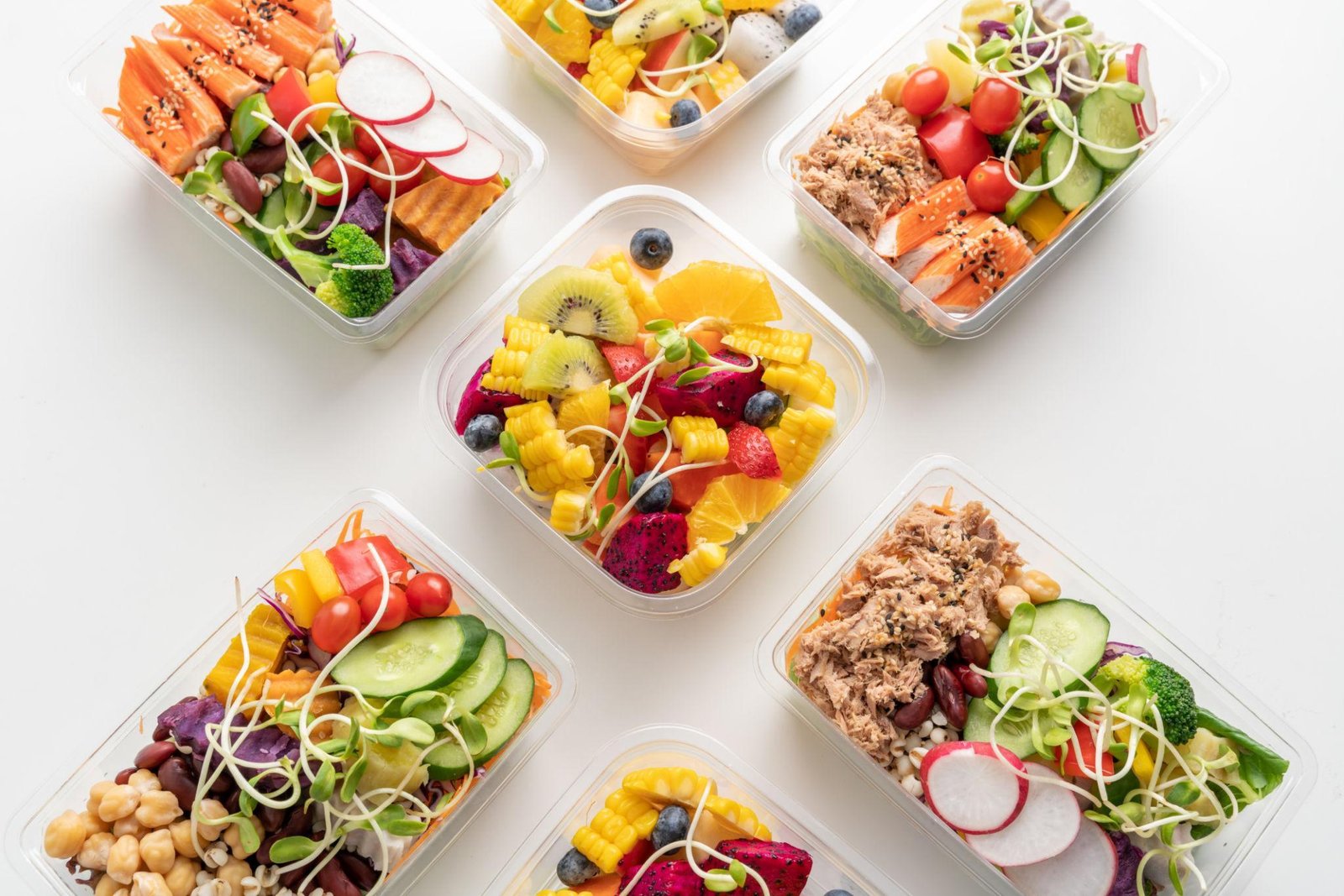
- Salads: Top your salads with grilled chicken, salmon, tuna, hard-boiled eggs, beans, or lentils.
- Soups and Stews: Add lentils, beans, chicken, or lean beef to your favorite soup recipes.
- Stir-fries: Use lean protein sources like chicken, tofu, or shrimp with plenty of vegetables.
- Lean protein as the centerpiece: Grilled chicken breast, baked salmon, lean steak, or a lentil loaf.
- Tacos and Burrito Bowls: Fill with seasoned ground turkey, black beans, chicken, or tofu.
- Whole-grain pasta dishes: Incorporate lean ground meat, chicken, or a hearty lentil bolognese.
Smart Snacking Strategies
- Hard-boiled eggs: A portable and protein-packed snack.
- Greek yogurt or cottage cheese: Enjoy with fruit or a sprinkle of nuts.
- A handful of nuts or seeds: Almonds, walnuts, pumpkin seeds.
- Edamame: Steamed or roasted.
- Beef or turkey jerky: Choose low-sodium options.
- Protein bars: Opt for bars with minimal added sugar and a good protein-to-calorie ratio.
- Apple slices with peanut butter.
- Roasted chickpeas.
Protein Foods and Specific Health Goals
Muscle Building and Athletic Performance
For individuals focused on building muscle mass or enhancing athletic performance, protein intake is paramount. Consuming adequate protein, especially around workouts, provides the necessary amino acids for muscle repair and growth (muscle protein synthesis). Combining sufficient protein with strength training is the most effective strategy for muscle gain.
Weight Management
Protein plays a significant role in weight management. Its thermic effect (the energy required to digest food) is higher than that of carbohydrates or fats, meaning your body burns more calories processing protein. Furthermore, protein’s ability to increase satiety can help reduce overall calorie intake by curbing hunger and cravings. Studies have shown that higher protein diets can lead to greater fat loss and better preservation of lean muscle mass during a calorie deficit.
Satiety and Appetite Control
Feeling hungry soon after eating? You might need more protein. Protein is the most satiating macronutrient, helping you feel fuller for longer. This can be a game-changer for managing appetite and preventing overeating, especially in the context of weight management. Including a protein source in every meal and snack can help regulate hunger hormones like ghrelin and leptin.
Healthy Aging
As we age, maintaining muscle mass becomes increasingly important for mobility, metabolism, and overall health. Sarcopenia, the age-related loss of muscle mass, can be partially mitigated through adequate protein intake and regular physical activity. Older adults may benefit from consuming slightly more protein than the standard RDA to support muscle health.
Potential Concerns and Considerations
While protein is essential, it’s worth noting a few considerations:
- Kidney Health: For individuals with pre-existing kidney disease, very high protein intake might be a concern. However, for healthy individuals, moderate to high protein intake is generally considered safe. It’s always best to consult with a healthcare provider if you have specific health concerns.
- Digestive Issues: Some individuals may experience digestive discomfort with certain protein sources, particularly if they have food sensitivities or intolerances. Gradually increasing fiber intake alongside protein can also help.
- Nutrient Balance: While focusing on protein is important, it’s crucial to maintain a balanced diet that includes sufficient carbohydrates, healthy fats, vitamins, and minerals from a variety of food groups. Relying too heavily on any single nutrient can lead to imbalances.
Case Study: Sarah’s Protein Transformation
Sarah, a 35-year-old marketing manager, often found herself feeling sluggish by mid-afternoon and struggling to lose the last 10 pounds. She realized her diet was heavily reliant on refined carbohydrates and lacked sufficient protein.
Before: Sarah’s typical day involved a sugary cereal for breakfast, a sandwich with minimal filling for lunch, and a pasta dish or takeout for dinner. Snacks were often chips or cookies. She felt tired, hungry, and her weight loss efforts had stalled.
The Change: Encouraged by her doctor to increase her protein intake, Sarah decided to make gradual changes over a month.
- Breakfast: Swapped cereal for scrambled eggs with spinach or plain Greek yogurt with berries and almonds.
- Lunch: Started packing salads with grilled chicken or tuna, or lentil soup.
- Dinner: Focused on lean protein sources like salmon or chicken breast with a generous portion of vegetables and a smaller serving of complex carbohydrates like quinoa.
- Snacks: Replaced chips with a handful of nuts, a hard-boiled egg, or cottage cheese.
The Results: Within weeks, Sarah noticed a significant difference. Her mid-afternoon energy slumps disappeared. She felt fuller for longer, reducing her cravings for sugary snacks. Over the next three months, she naturally lost those stubborn 10 pounds without feeling deprived. Her energy levels improved, and she felt more in control of her eating habits. Sarah’s experience highlights how strategically incorporating more protein foods can have a profound impact on energy, satiety, and body composition.
Protein Foods Checklist for Success
To help you integrate these protein powerhouses into your life, here’s a simple checklist:
□ Identify Your Protein Needs: Calculate your daily target based on your weight and activity level.
□ Plan Your Meals: Aim to include a protein source in every meal and snack.
□ Diversify Your Sources: Don’t rely on just one or two protein foods. Explore both animal and plant-based options.
□ Smart Shopping: Stock your pantry and fridge with protein-rich staples like eggs, Greek yogurt, canned fish, lentils, beans, nuts, and seeds.
□ Prep Ahead: Hard-boil eggs, cook a batch of lentils or quinoa, or portion out nuts for easy grab-and-go snacks.
□ Read Labels: Pay attention to protein content, especially on packaged foods like bars and yogurts.
□ Hydrate: Drink plenty of water, as protein digestion requires adequate fluid intake.
□ Listen to Your Body: Adjust your intake based on how you feel, your energy levels, and your fitness goals.
Conclusion: Embrace the Power of Protein Foods
In 2026, prioritizing protein foods is a cornerstone of a vibrant and healthy lifestyle. Whether your goal is to build muscle, manage weight, boost energy, or simply feel more satisfied throughout the day, incorporating a variety of high-quality protein sources is key. From lean meats and fish to legumes, nuts, seeds, and dairy, the options are abundant and delicious.
By understanding your individual needs and making conscious choices to include protein in every meal and snack, you can unlock your body’s full potential and thrive. Remember, consistent, balanced nutrition, with protein playing a starring role, is the foundation for lasting well-being.
Frequently Asked Questions
What are the best protein foods for vegetarians?
Vegetarians have a wealth of excellent protein options! Key sources include lentils, beans (black beans, kidney beans, chickpeas), tofu, tempeh, edamame, nuts (almonds, walnuts), seeds (chia, flax, hemp, pumpkin), and whole grains like quinoa and oats. Nutritional yeast is also a complete protein and adds a cheesy flavor. Combining different plant proteins throughout the day ensures you get all essential amino acids.
Can eating too much protein be harmful?
For most healthy individuals, consuming moderately high protein diets is safe and beneficial. However, extremely high protein intake over prolonged periods could pose risks for individuals with pre-existing kidney conditions. It’s always recommended to consult with a healthcare professional or registered dietitian to determine the optimal protein intake for your specific health status and goals.
How does protein help with weight loss?
Protein is a powerful tool for weight management primarily due to its effects on satiety and metabolism. It helps you feel fuller for longer, reducing overall calorie intake and curbing cravings. Additionally, protein has a higher thermic effect than carbs or fats, meaning your body burns more calories digesting it. Higher protein diets also help preserve lean muscle mass during calorie restriction, which is crucial for maintaining a healthy metabolism.
Is it better to get protein from food or supplements?
Whole protein foods should always be the primary source of protein in your diet. They provide a complex matrix of nutrients, fiber, and other beneficial compounds that supplements often lack. Protein supplements (like powders) can be a convenient and effective way to boost protein intake, especially for athletes, those with increased needs, or when whole food options are limited, but they should complement, not replace, a balanced diet.
What are essential amino acids and why are they important?
Essential amino acids are nine specific amino acids that your body cannot produce on its own; you must obtain them from your diet. They are crucial building blocks for proteins, which are vital for muscle repair and growth, enzyme and hormone production, immune function, and numerous other bodily processes. Foods containing all nine essential amino acids in adequate amounts are called “complete proteins.”
How can I increase my protein intake if I have a small appetite?
If you have a small appetite, focus on nutrient-dense, smaller-volume protein sources. Opt for concentrated options like Greek yogurt, cottage cheese, hard cheeses, nuts, seeds, and protein powders mixed into smoothies or shakes.
Small, frequent meals and snacks that prioritize protein can be more manageable than trying to consume large portions less often. Ensure the protein sources you choose are also palatable and enjoyable to encourage consumption.
Read: Unlock Your Best: 7 Healthy Diet Plans for 2026