Fat Loss Foods: 7 Essential Foods for 2026
Are you ready to transform your body and boost your energy levels? In 2026, the science of nutrition for fat loss foods has never…

Are you ready to transform your body and boost your energy levels? In 2026, the science of nutrition for fat loss foods has never been clearer. Understanding which foods to prioritize can dramatically impact your journey, making it more effective and sustainable. This comprehensive guide will equip you with the knowledge to make informed dietary choices for optimal fat loss.
The key to effective fat loss isn’t about deprivation; it’s about strategic nourishment. By focusing on specific fat loss foods that are nutrient-dense and support your metabolism, you can achieve your goals without feeling constantly hungry or deprived. This article delves deep into the world of fat loss foods, exploring the science behind why they work, how to incorporate them into your diet, and providing practical tips to make your fat loss journey a resounding success. We’ll uncover the powerhouses of nutrition that can help you shed unwanted weight and build a healthier, happier you.
The Science Behind Fat Loss Foods: More Than Just Calories
Before diving into specific fat loss foods, it’s crucial to understand the underlying principles. Fat loss is a complex metabolic process that occurs when your body burns more calories than it consumes. However, the quality of those calories plays a significant role. Fat loss foods are those that, when consumed as part of a balanced diet, help to:
- Boost Metabolism: Certain foods require more energy to digest and metabolize, leading to a slight increase in calorie expenditure. This phenomenon is known as the thermic effect of food (TEF).
- Promote Satiety: Foods rich in protein and fiber help you feel fuller for longer, reducing overall calorie intake and curbing cravings.
- Stabilize Blood Sugar: Avoiding rapid spikes and crashes in blood sugar levels helps prevent cravings and energy slumps, making it easier to stick to a healthy eating plan.
- Provide Essential Nutrients: While focusing on fat loss foods, it’s vital to ensure you’re still getting all the vitamins and minerals your body needs to function optimally.
This approach moves beyond simple calorie counting and emphasizes a holistic strategy for sustainable fat loss. It’s about fueling your body with the right building blocks for success.
The Pillars of Fat Loss: Macronutrients and Micronutrients
Effective fat loss foods strategy hinges on understanding macronutrients (proteins, carbohydrates, and fats) and micronutrients (vitamins and minerals).
Protein Powerhouses for Fat Loss
Protein is arguably the most critical macronutrient for fat loss. It offers several advantages:
- High Thermic Effect: Protein has the highest TEF among macronutrients, meaning your body burns more calories digesting it compared to fats or carbohydrates.
- Satiety Booster: Protein significantly increases feelings of fullness, helping to reduce appetite and subsequent calorie consumption.
- Muscle Preservation: During calorie restriction for fat loss, adequate protein intake is essential to preserve lean muscle mass. Muscle tissue is metabolically active, meaning it burns calories even at rest. Losing muscle can slow down your metabolism.
Carbohydrates: The Smart Choices
Not all carbohydrates are created equal when it comes to fat loss foods. The focus should be on complex carbohydrates, which are digested slowly, providing sustained energy and fiber.
- Fiber Rich: Whole grains, fruits, and vegetables are packed with fiber, which aids digestion, promotes satiety, and helps regulate blood sugar levels.
- Nutrient Dense: Complex carbohydrates are often rich in vitamins, minerals, and antioxidants, contributing to overall health during your fat loss journey.
Healthy Fats: Essential for Hormonal Balance
Fats are often demonized, but healthy fats are essential for hormone production, nutrient absorption, and satiety. The key is to choose unsaturated fats over saturated and trans fats.
- Satiety and Flavor: Healthy fats contribute to satisfaction after meals, making it easier to resist unhealthy snacks.
- Hormonal Support: Certain fats are crucial for the production of hormones that regulate metabolism and appetite.
Micronutrients: The Unsung Heroes
Vitamins and minerals might not directly impact calorie burning, but they are vital for every bodily process, including metabolism and energy production. Deficiencies can hinder fat loss efforts. A diet rich in a variety of fat loss foods will naturally provide these essential micronutrients.
Top Fat Loss Foods to Include in Your Diet
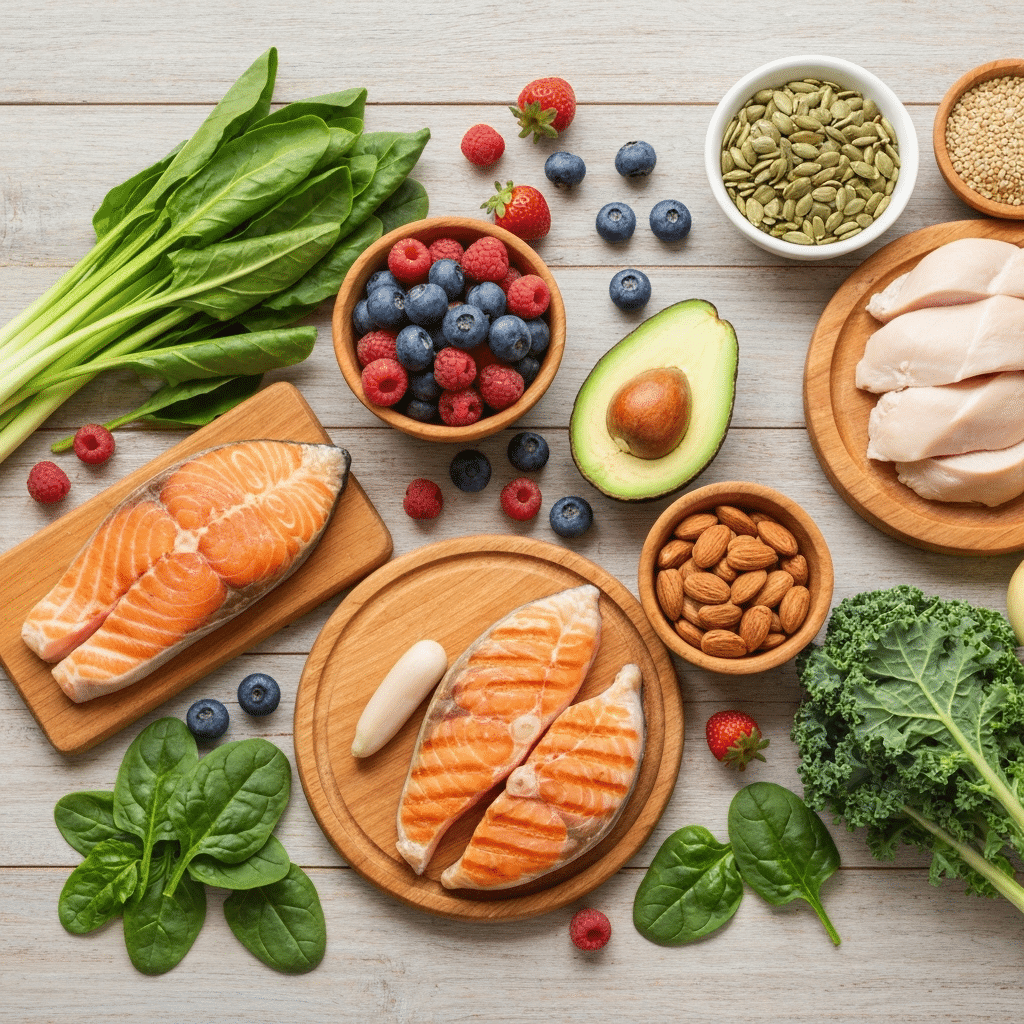
Now, let’s explore specific fat loss foods that deserve a prime spot on your plate. These foods are nutrient-dense, versatile, and scientifically backed to support your fat loss goals.
Lean Proteins: The Foundation of Your Meals
- Chicken Breast: A classic for a reason, chicken breast is high in protein and low in fat. It’s incredibly versatile and can be prepared in countless healthy ways. Its lean profile makes it an excellent choice for maximizing protein intake per calorie, crucial for fat loss foods.
- Turkey Breast: Similar to chicken breast, turkey breast is another excellent lean protein source. It’s rich in tryptophan, which can aid in sleep, and is a fantastic option for sandwiches, salads, and stir-fries.
- Fish (Salmon, Tuna, Mackerel): Fatty fish like salmon and mackerel are rich in omega-3 fatty acids, which have anti-inflammatory properties and can support heart health. They also provide high-quality protein. Tuna, especially canned in water, is a convenient and lean protein source. These are potent fat loss foods.
- Lean Beef: Opt for cuts like sirloin or round. Lean beef provides iron, zinc, and B vitamins, all crucial for energy metabolism.
- Eggs: A nutritional powerhouse, eggs are packed with protein, healthy fats, and essential vitamins and minerals. The yolk contains most of the nutrients, so don’t skip it! They are incredibly satiating and a staple among effective fat loss foods.
- Greek Yogurt: This fermented dairy product is significantly higher in protein than regular yogurt and contains probiotics for gut health. Opt for plain, unsweetened varieties to avoid added sugars. Its creamy texture makes it a satisfying snack or meal component.
- Lentils and Beans: These plant-based powerhouses are rich in protein and fiber, making them incredibly filling. They are also cost-effective and versatile, fitting perfectly into a fat loss foods strategy.
- Tofu and Tempeh: Excellent plant-based protein sources for vegetarians and vegans. They are versatile and absorb flavors well.
Fiber-Rich Vegetables: The Volume Eaters
Vegetables are a cornerstone of any fat loss foods plan due to their high fiber and water content, which promote fullness with minimal calories.
- Leafy Greens (Spinach, Kale, Broccoli Rabe): These are nutritional superstars, packed with vitamins, minerals, and antioxidants. They are incredibly low in calories and can be added to almost any meal. Their bulk helps you feel satisfied, a key aspect of fat loss foods.
- Broccoli and Cauliflower: These cruciferous vegetables are high in fiber and contain compounds that may have anti-cancer properties. They are versatile and can be steamed, roasted, or added to stir-fries.
- Bell Peppers: Rich in Vitamin C and antioxidants, bell peppers add color and crunch to meals. They are low in calories and can be eaten raw or cooked.
- Asparagus: A good source of folate and vitamins A, C, and K, asparagus is a delicious and low-calorie vegetable that pairs well with lean proteins.
- Brussels Sprouts: Another cruciferous champion, Brussels sprouts are high in fiber and nutrients. Roasting them brings out a delicious nutty flavor.
- Tomatoes: While technically a fruit, tomatoes are used culinarily as vegetables and are packed with lycopene, an antioxidant. They are low in calories and versatile.
- Cucumbers: Composed of about 95% water, cucumbers are incredibly hydrating and low in calories, making them a perfect snack or addition to salads.
Fruits: Nature’s Sweet Treat
Fruits provide natural sweetness, fiber, vitamins, and antioxidants. Moderation is key due to their natural sugar content, but they are essential fat loss foods.
- Berries (Blueberries, Strawberries, Raspberries): These are lower in sugar compared to many other fruits and are packed with antioxidants and fiber. They are perfect for smoothies, yogurt toppings, or as a standalone snack. Their high fiber content makes them excellent fat loss foods.
- Apples: A good source of fiber and Vitamin C, apples are a convenient and satisfying snack. The pectin in apples can also help with satiety.
- Grapefruit: This citrus fruit is known for its potential to aid in fat loss, though more research is needed. It’s low in calories and rich in Vitamin C.
- Avocado: While higher in calories due to its healthy fat content, avocado is incredibly nutrient-dense and promotes satiety. It’s a fantastic source of monounsaturated fats.
Whole Grains: Sustained Energy
Choose whole grains over refined grains for sustained energy release and increased fiber intake.
- Oats: A breakfast staple, oats are rich in soluble fiber, which can help lower cholesterol and keep you feeling full. Opt for plain rolled oats or steel-cut oats.
- Quinoa: A complete protein source, quinoa is also rich in fiber and essential minerals. It’s a versatile grain that can be used in salads, bowls, or as a side dish.
- Brown Rice: A healthier alternative to white rice, brown rice provides more fiber and nutrients.
- Whole Wheat Bread and Pasta: Look for “100% whole wheat” or “whole grain” as the first ingredient.
Healthy Fats: For Satiety and Health
- Nuts (Almonds, Walnuts, Pistachios): Nuts are calorie-dense but packed with healthy fats, protein, and fiber. Portion control is key, but they are excellent for curbing hunger and providing essential nutrients.
- Seeds (Chia Seeds, Flaxseeds, Pumpkin Seeds): These tiny powerhouses are rich in fiber, omega-3 fatty acids, and various micronutrients. They can be added to smoothies, yogurt, or oatmeal.
- Olive Oil: Extra virgin olive oil is a staple in healthy diets, rich in monounsaturated fats and antioxidants. Use it for dressings and light sautéing.
Hydration: The Overlooked Fat Loss Food
- Water: Often forgotten, water is crucial for metabolism, digestion, and overall bodily function. Staying adequately hydrated can also help manage hunger and boost energy levels. Sometimes, thirst is mistaken for hunger. Aim for at least 8 glasses of water per day, and more if you’re active.
Practical Strategies for Incorporating Fat Loss Foods
Knowing the fat loss foods is one thing; implementing them into your daily life is another. Here are practical strategies:
Meal Planning and Preparation
- Schedule Your Meals: Plan your meals and snacks for the week. This helps ensure you have healthy options readily available and reduces the likelihood of impulsive unhealthy choices.
- Batch Cooking: Dedicate time each week to prepare staples like cooked grains, roasted vegetables, and grilled chicken. This saves time during busy weekdays and makes assembling healthy meals quick and easy.
- Portion Control: Even healthy fat loss foods can contribute to weight gain if consumed in excess. Use smaller plates, measure your portions, and be mindful of serving sizes.
Smart Snacking
- Keep Healthy Snacks Handy: Carry nuts, seeds, fruits, or Greek yogurt with you to avoid vending machine temptations.
- Combine Protein and Fiber: Snacks that combine protein and fiber, like an apple with a tablespoon of almond butter or Greek yogurt with berries, are most effective at keeping you full.
Mindful Eating
- Eat Slowly and Savour: Pay attention to your food, its taste, texture, and smell. Eating slowly allows your brain time to register fullness cues, preventing overeating.
- Listen to Your Body: Eat when you’re hungry and stop when you’re satisfied, not stuffed. Differentiate between physical hunger and emotional eating.
Hydration Habits
- Start Your Day with Water: Drink a glass of water upon waking to kickstart your metabolism.
- Drink Before Meals: Consuming water before meals can help you feel fuller and potentially eat less.
- Carry a Water Bottle: Keep a reusable water bottle with you throughout the day as a constant reminder to drink.
Fat Loss Foods: A Case Study
Consider Sarah, a 35-year-old marketing manager struggling with weight gain. She often skipped breakfast, grabbed processed snacks at work, and had large, carb-heavy dinners. Her energy levels were low, and she felt constantly fatigued.
Initial Assessment: Sarah’s diet lacked sufficient protein and fiber, leading to energy crashes and constant hunger. Her reliance on refined carbohydrates and processed foods contributed to fat storage.
Intervention: Sarah decided to implement a strategy focusing on fat loss foods.
- Breakfast: Swapped sugary cereals for overnight oats with berries and chia seeds, or scrambled eggs with spinach.
- Lunch: Replaced pre-packaged salads with grilled chicken or lentil salads packed with mixed greens, bell peppers, and a light olive oil vinaigrette. She also started bringing leftovers from healthy dinners.
- Snacks: Opted for Greek yogurt with a handful of almonds, or an apple with peanut butter, instead of cookies or chips.
- Dinner: Focused on lean protein sources like baked salmon or turkey breast, paired with generous portions of steamed broccoli or roasted Brussels sprouts, and a small serving of quinoa or brown rice.
- Hydration: Committed to drinking at least 8 glasses of water daily and carrying a water bottle.
Results: Within eight weeks, Sarah reported significant changes:
- Weight Loss: She lost 10 pounds (4.5 kg) without feeling deprived.
- Increased Energy: Her energy levels improved dramatically, allowing her to be more productive at work and enjoy evening activities.
- Reduced Cravings: The consistent intake of protein and fiber significantly curbed her cravings for sugary and processed foods.
- Improved Digestion: Increased fiber intake led to better digestive health.
- Sustainable Habits: Sarah found the changes manageable and integrated them into her lifestyle, realizing that focusing on nutrient-dense fat loss foods was the key.
Sarah’s case highlights how strategic choices with fat loss foods can lead to remarkable results, improving not just weight but overall well-being.
Beyond Food: Lifestyle Factors for Fat Loss
While fat loss foods are crucial, a holistic approach is necessary for sustainable results.
Regular Physical Activity
- Cardiovascular Exercise: Activities like running, swimming, cycling, and brisk walking help burn calories and improve cardiovascular health. Aim for at least 150 minutes of moderate-intensity aerobic activity per week.
- Strength Training: Building muscle through weightlifting or bodyweight exercises increases your resting metabolic rate, meaning you burn more calories even when you’re not exercising. This is vital for long-term fat loss.
Adequate Sleep
- Sleep Quality and Quantity: Poor sleep can disrupt hormones that regulate appetite (ghrelin and leptin), leading to increased hunger and cravings. Aim for 7-9 hours of quality sleep per night.
- Consistent Sleep Schedule: Going to bed and waking up around the same time each day, even on weekends, helps regulate your body’s natural sleep-wake cycle.
Stress Management
- Chronic Stress: Prolonged stress can lead to elevated cortisol levels, which can promote fat storage, particularly around the abdomen.
- Relaxation Techniques: Incorporate stress-reducing activities like meditation, yoga, deep breathing exercises, or spending time in nature.
Frequently Asked Questions About Fat Loss Foods
What are the best fat loss foods for a beginner?
For beginners, the best fat loss foods are those that are easy to incorporate and provide significant satiety. Focus on lean proteins like chicken breast, eggs, and Greek yogurt. Include plenty of non-starchy vegetables such as leafy greens, broccoli, and bell peppers. For complex carbohydrates, start with oats and brown rice. Don’t forget healthy fats like almonds and avocado in moderation. Hydration with water is also paramount. These choices provide essential nutrients and help manage hunger effectively, making the initial stages of fat loss more manageable.
Can I eat carbs and still lose fat?
Absolutely! Carbohydrates are not the enemy of fat loss. The key is to choose the right types of carbohydrates and consume them in appropriate portions. Focus on complex carbohydrates like whole grains (oats, quinoa, brown rice), legumes (beans, lentils), fruits, and vegetables. These are rich in fiber, which aids digestion, promotes fullness, and helps stabilize blood sugar levels, preventing energy crashes and cravings. Limit refined carbohydrates such as white bread, sugary cereals, and pastries, as they offer little nutritional value and can lead to rapid blood sugar spikes.
How much protein do I need for fat loss?
Protein is crucial for fat loss because it increases satiety, boosts metabolism (due to its higher thermic effect), and helps preserve lean muscle mass during calorie restriction. While individual needs vary, a common recommendation for fat loss is to consume between 0.7 to 1 gram of protein per pound of body weight (or 1.6 to 2.2 grams per kilogram). For instance, if you weigh 150 pounds (68 kg), aiming for 105 to 150 grams of protein per day is a good starting point. Distributing protein intake throughout the day, with each meal and snack containing a protein source, can further enhance satiety and muscle protein synthesis.
What are some quick and healthy fat loss snacks?
Quick and healthy snacks are essential for managing hunger between meals and preventing unhealthy impulse choices. Excellent options include:
- A handful of almonds or walnuts (about 1/4 cup).
- A hard-boiled egg.
- A small container of plain Greek yogurt with a few berries.
- Apple slices with 1-2 tablespoons of natural peanut butter or almond butter.
- Vegetable sticks (carrots, celery, bell peppers) with a couple of tablespoons of hummus.
- A small protein shake made with water or unsweetened almond milk.
These snacks combine protein, healthy fats, and/or fiber to keep you feeling full and satisfied.
Does drinking water really help with fat loss?
Yes, drinking water plays a significant role in fat loss in several ways. Firstly, it’s essential for metabolism; all metabolic processes in the body require water. Staying hydrated can help optimize your metabolic rate. Secondly, drinking water, especially before meals, can increase feelings of fullness, potentially leading to reduced calorie intake. Sometimes, thirst can be mistaken for hunger, so ensuring adequate hydration can help manage appetite. Water also aids in flushing out waste products from the body and is crucial for nutrient transport and energy levels. Aiming for at least 8 glasses (around 2 liters) of water per day is a general guideline, but individual needs may vary based on activity level and climate.
Are there any “fat-burning” foods that magically melt fat?
The concept of “fat-burning” foods is largely a myth. While certain foods can slightly boost your metabolism or increase satiety, no single food can magically melt away body fat. Fat loss is primarily achieved through a consistent calorie deficit, meaning you burn more calories than you consume over time. The effectiveness of fat loss foods lies in their ability to support this calorie deficit by promoting fullness, providing essential nutrients, and potentially offering a slight metabolic advantage. Focus on a balanced diet rich in whole, unprocessed foods rather than relying on quick fixes or miracle foods.
Conclusion: Embrace a Sustainable Approach to Fat Loss
Achieving fat loss is a journey, not a race. By understanding and incorporating nutrient-dense fat loss foods into your diet, you are laying the foundation for sustainable success. Remember that fat loss foods are most effective when combined with regular physical activity, adequate sleep, and stress management.
Focus on building a balanced eating pattern that prioritizes lean proteins, fiber-rich vegetables and fruits, whole grains, and healthy fats. These fat loss foods will not only support your weight management goals but also enhance your overall health and well-being.
Don’t aim for perfection; aim for progress. Make small, consistent changes, listen to your body, and celebrate your successes along the way. With the right knowledge and a commitment to healthy habits, you can achieve your fat loss goals and build a healthier, more vibrant life in 2026 and beyond. Remember, the most effective fat loss foods are those that become a sustainable part of your lifestyle.
Read: Lose Weight at Home: Ultimate 2026 Fitness Guide