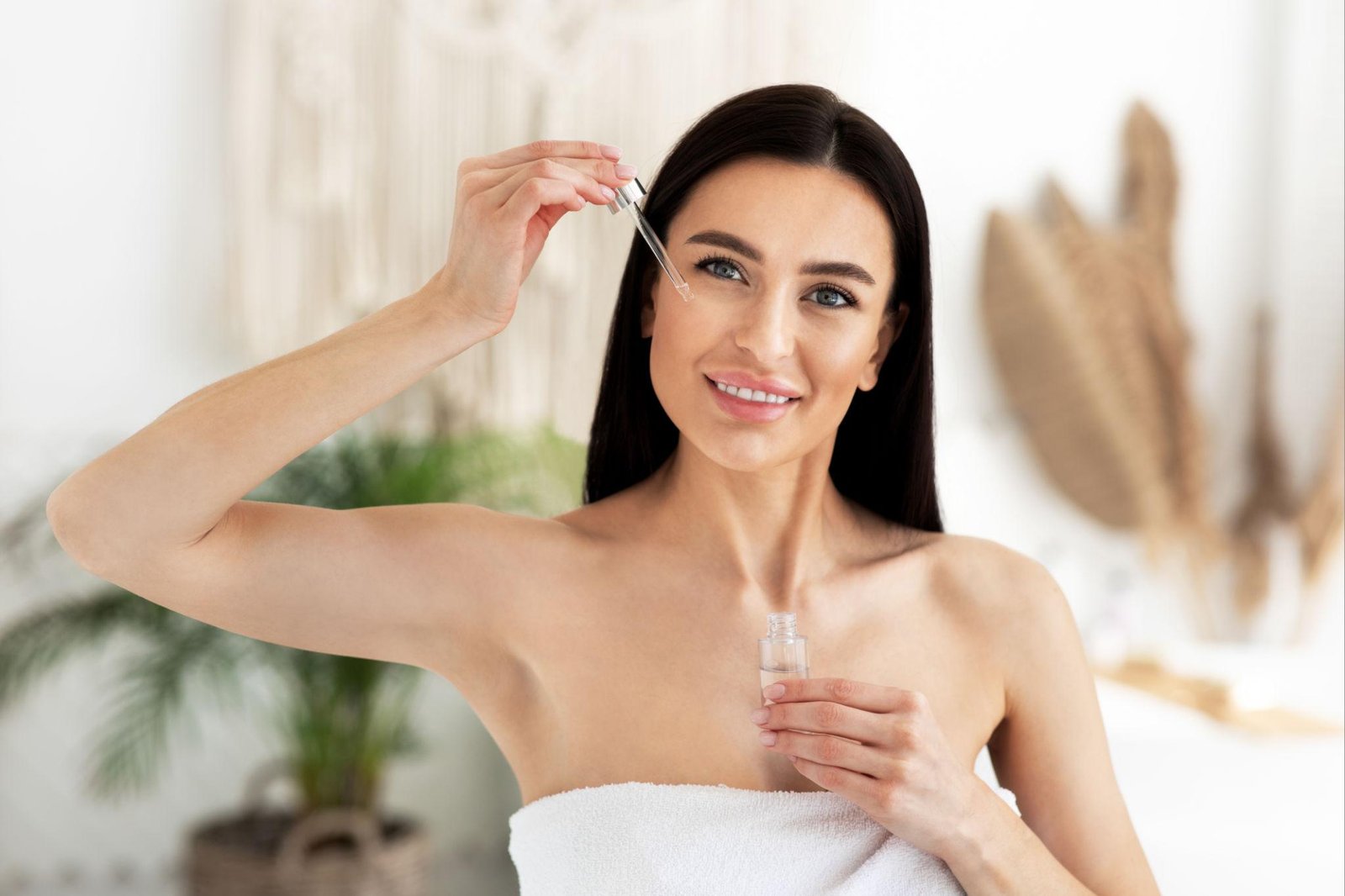
10 Essential Skin Care Tips for a Glowing Complexion in 2026
Did you know that consistent, tailored skincare can dramatically improve skin health and appearance, with up to 70% of people reporting noticeable positive changes…

Did you know that consistent, tailored skincare can dramatically improve skin health and appearance, with up to 70% of people reporting noticeable positive changes within just 30 days of adopting a new routine? In 2026, achieving that coveted, healthy glow is more accessible than ever. This comprehensive guide delves into the most effective skin care tips to transform your complexion, focusing on personalized approaches, scientifically-backed ingredients, and sustainable practices. Whether you’re battling acne, seeking to reverse signs of aging, or simply aiming for a more luminous look, these actionable strategies will empower you to cultivate your best skin yet.
The Foundation of Flawless Skin: Understanding Your Unique Needs
Before diving into specific skin care tips, it’s crucial to understand that one-size-fits-all solutions rarely work. Your skin is a dynamic organ, influenced by genetics, environment, lifestyle, and hormonal fluctuations. Identifying your skin type and concerns is the paramount first step in crafting an effective routine.
Decoding Your Skin Type: The Key to Targeted Care
Oily Skin: Characterized by excess sebum production, leading to a shiny appearance, enlarged pores, and a propensity for acne breakouts.
Dry Skin: Lacks sufficient moisture and oil, often feeling tight, flaky, and rough. It can also appear dull and be more prone to irritation and premature fine lines.
Combination Skin: Exhibits traits of both oily and dry skin, typically with an oily T-zone (forehead, nose, chin) and normal to dry cheeks.
Normal Skin: Balanced, with minimal oiliness or dryness, small pores, and a smooth texture. It’s less prone to sensitivity and breakouts.
Sensitive Skin: Easily irritated by products, environmental factors, or certain ingredients, often showing redness, itching, burning, or stinging.
Identifying Specific Skin Concerns: Addressing Your Unique Challenges
Beyond skin type, consider specific issues you want to address:
- Acne: Pimples, blackheads, whiteheads, cysts, and nodules.
- Hyperpigmentation: Dark spots, melasma, sun spots, and post-inflammatory hyperpigmentation (PIH).
- Aging Signs: Fine lines, wrinkles, loss of firmness, and dullness.
- Redness and Rosacea: Persistent flushing, visible blood vessels, and inflammation.
- Dullness: Lack of radiance and vitality.
- Dehydration: A lack of water in the skin, which can affect all skin types and manifest as tightness, flakiness, and even increased oiliness.
Top 10 Essential Skin Care Tips for a Radiant 2026 Complexion
Now, let’s explore the most impactful skin care tips to elevate your routine and unlock your skin’s potential.
1. The Golden Rule: Cleanse Gently and Effectively
Cleansing is the cornerstone of any skincare routine, removing impurities, excess oil, makeup, and pollutants that can clog pores and lead to breakouts. However, harsh cleansing can strip the skin of its natural oils, disrupting the skin barrier and leading to irritation and dryness.
Key Principles for Effective Cleansing:
- Choose the Right Cleanser:
- Oily/Acne-Prone Skin: Opt for gel or foaming cleansers containing ingredients like salicylic acid or benzoyl peroxide to help control oil and combat breakouts.
- Dry/Sensitive Skin: Creamy, hydrating, or oil-based cleansers are ideal to maintain moisture and soothe the skin. Look for ingredients like ceramides, hyaluronic acid, and glycerin.
- Combination Skin: A gentle foaming cleanser or a balancing cleanser can work well, or you might consider using different cleansers for different areas.
- Normal Skin: Most gentle cleansers will suffice, but a mild foaming or gel cleanser is often a good choice.
- Water Temperature Matters: Always use lukewarm water. Hot water can strip the skin’s natural oils, while cold water may not effectively dissolve sebum and impurities.
- Technique is Key: Gently massage the cleanser onto damp skin using circular motions. Avoid harsh scrubbing, which can cause micro-tears and irritation.
- Rinse Thoroughly: Ensure all cleanser residue is removed to prevent pore congestion.
- Pat Dry: Use a clean, soft towel and gently pat your skin dry. Avoid rubbing, which can tug at the skin and cause irritation.
The Power of Double Cleansing: For those who wear makeup or sunscreen daily, double cleansing is a highly recommended skin care tip. This involves using an oil-based cleanser (like a cleansing balm or oil) first to break down makeup, SPF, and sebum, followed by a water-based cleanser (gel, foam, or cream) to remove any remaining impurities. This ensures a thoroughly clean canvas for the rest of your routine.
2. Exfoliate Wisely: Unveil Smoother, Brighter Skin
Exfoliation removes dead skin cells that accumulate on the surface, revealing fresh, new skin underneath. This process can improve skin texture, tone, and clarity, making it a vital skin care tip for most individuals.
Types of Exfoliation:
- Chemical Exfoliation: Utilizes acids to dissolve the bonds between dead skin cells.
- Alpha Hydroxy Acids (AHAs): Water-soluble and effective for surface concerns. Examples include glycolic acid (penetrates deeply, good for texture and tone), lactic acid (more hydrating, good for sensitive skin), and mandelic acid (larger molecule, gentler, good for acne and hyperpigmentation).
- Beta Hydroxy Acids (BHAs): Oil-soluble and can penetrate pores, making them excellent for oily and acne-prone skin. Salicylic acid is the most common BHA, effective at unclogging pores and reducing inflammation.
- Polyhydroxy Acids (PHAs): Larger molecules than AHAs, making them gentler and suitable for sensitive skin. Examples include gluconolactone and lactobionic acid, which also offer hydrating and antioxidant benefits.
- Physical Exfoliation: Involves using abrasive tools or particles to manually slough off dead skin cells. Examples include facial scrubs with fine grains, cleansing brushes, or washcloths. Caution: Overly abrasive physical exfoliants can cause micro-tears and damage the skin barrier.
Frequency and Application:
- Start Slow: Begin with exfoliating 1-2 times per week and gradually increase frequency as your skin tolerates it.
- Listen to Your Skin: If you experience redness, irritation, or increased sensitivity, reduce the frequency or switch to a gentler exfoliant.
- Timing: Exfoliate after cleansing and before applying other treatments.
- Sun Protection: Exfoliated skin is more sensitive to the sun. Always follow up with broad-spectrum SPF.
3. Hydrate, Hydrate, Hydrate: The Secret to Supple Skin
Hydration is crucial for maintaining a healthy skin barrier, plumpness, and overall radiance. Dehydrated skin can look dull, feel tight, and even exacerbate the appearance of fine lines and wrinkles. This is a non-negotiable skin care tip for all skin types.
Understanding Hydration vs. Moisture:
- Hydration: Refers to the water content of the skin. Ingredients that attract water are called humectants (e.g., hyaluronic acid, glycerin, sodium PCA).
- Moisture: Refers to the lipid content of the skin, which helps to seal in hydration and prevent water loss. Ingredients that provide moisture are called emollients and occlusives (e.g., ceramides, fatty acids, shea butter, squalane, petrolatum).
Effective Hydration Strategies:
- Choose the Right Moisturizer:
- Oily/Acne-Prone Skin: Look for lightweight, oil-free, non-comedogenic lotions or gels. Ingredients like hyaluronic acid, niacinamide, and glycerin are beneficial.
- Dry Skin: Opt for richer creams or ointments containing ceramides, fatty acids, shea butter, or squalane to lock in moisture.
- Combination Skin: A lightweight lotion for the T-zone and a slightly richer cream for drier areas might be necessary.
- Sensitive Skin: Fragrance-free, hypoallergenic moisturizers with soothing ingredients like centella asiatica or oatmeal are recommended.
- Layering: Apply hydrating serums containing humectants before your moisturizer to draw moisture into the skin.
- Humidifier: Using a humidifier, especially in dry climates or during winter months, can significantly boost skin hydration.
- Internal Hydration: Drink plenty of water throughout the day.
4. Embrace Sun Protection: Your Ultimate Anti-Aging Weapon
Sun damage is a primary driver of premature aging, including wrinkles, fine lines, dark spots, and loss of elasticity. It also significantly increases the risk of skin cancer. Daily, consistent use of broad-spectrum sunscreen is arguably the most critical skin care tip for long-term skin health.
Key Aspects of Sun Protection:
- Broad-Spectrum Protection: Ensures protection against both UVA (aging) and UVB (burning) rays.
- SPF 30 or Higher: The American Academy of Dermatology recommends an SPF of at least 30 for daily use.
- Apply Generously: Most people don’t apply enough sunscreen. Use about a nickel-sized amount for your face and neck.
- Reapply Regularly: Reapply every two hours when outdoors, and immediately after swimming or sweating.
- Don’t Forget Key Areas: Apply sunscreen to your ears, neck, chest, and the backs of your hands – areas often exposed to the sun.
- Beyond Sunscreen: Seek shade, wear protective clothing (hats, sunglasses, long sleeves), and avoid peak sun hours (10 am to 4 pm).
- Mineral vs. Chemical Sunscreens:
- Mineral (Physical) Sunscreens: Contain zinc oxide and titanium dioxide. They sit on top of the skin and physically block UV rays. Generally well-tolerated by sensitive skin.
- Chemical Sunscreens: Absorb UV rays and convert them into heat. Offer a wide range of formulations and are often preferred for their cosmetically elegant feel.
5. Incorporate Targeted Treatments: Serums and Actives
Serums are concentrated formulations designed to deliver potent active ingredients deep into the skin to address specific concerns. This is where you can really level up your skin care tips game.
Key Active Ingredients and Their Benefits:
- Vitamin C (Ascorbic Acid): A powerful antioxidant that brightens the complexion, fades hyperpigmentation, boosts collagen production, and protects against free radical damage. Application: Best used in the morning before sunscreen to enhance UV protection.
- Retinoids (Retinol, Retinaldehyde, Tretinoin): Vitamin A derivatives that accelerate cell turnover, stimulate collagen production, unclog pores, and reduce the appearance of fine lines and wrinkles. Application: Typically used at night. Start with a low concentration and gradually increase. Expect potential initial dryness, redness, and peeling (the “retinization” period). Always use SPF diligently when using retinoids.
- Niacinamide (Vitamin B3): A multi-tasking ingredient that helps regulate oil production, minimize pore appearance, improve skin barrier function, reduce inflammation, and fade hyperpigmentation. It’s generally well-tolerated and can be used morning and night.
- Hyaluronic Acid: A humectant that draws moisture into the skin, plumping and hydrating it. Excellent for all skin types, especially dehydrated skin.
- Peptides: Short chains of amino acids that signal the skin to produce more collagen, improving firmness and reducing wrinkles.
- AHAs/BHAs: As discussed in exfoliation, these can also be found in leave-on serums for targeted treatment of texture, acne, and hyperpigmentation.
How to Use Serums: Apply serums after cleansing and toning (if you use a toner), but before your moisturizer. This allows the active ingredients to penetrate the skin more effectively.
6. Don’t Forget Your Neck and Décolletage
The skin on your neck and décolletage is often thinner and more delicate than facial skin, making it more susceptible to showing signs of aging and sun damage. Treat these areas with the same care you give your face. This is a crucial, often overlooked, skin care tip.
Neck and Décolletage Care Routine:
- Cleanse: Gently cleanse these areas along with your face.
- Treat: Apply your serums and treatments (including retinoids and Vitamin C) down to your neck and décolletage.
- Moisturize: Use your facial moisturizer or a dedicated neck cream to keep the skin hydrated and supple.
- Sunscreen: Crucially, apply sunscreen to these areas daily.
7. The Power of Antioxidants: Fighting Free Radical Damage
Antioxidants are vital compounds that neutralize harmful free radicals – unstable molecules generated by UV radiation, pollution, and internal metabolic processes. Free radicals damage skin cells, leading to premature aging and inflammation. Incorporating antioxidants is a smart skin care tip.
Key Antioxidants for Skin:
- Vitamin C: As mentioned, a potent antioxidant for brightening and protection.
- Vitamin E: Works synergistically with Vitamin C to protect against UV damage and maintain skin health.
- Ferulic Acid: Enhances the stability and efficacy of Vitamins C and E.
- Green Tea Extract (EGCG): Offers anti-inflammatory and antioxidant benefits.
- Resveratrol: Found in grapes, known for its potent anti-aging properties.
- Niacinamide: Also possesses antioxidant properties.
How to Incorporate Antioxidants: Look for serums and moisturizers containing these ingredients. Topical application, especially Vitamin C in the morning, provides a significant protective boost against environmental aggressors.
8. Lifestyle Factors: Fueling Your Skin from Within
Skincare isn’t just about topical products. Your diet, sleep, stress levels, and habits play a significant role in your skin’s health and appearance. This holistic approach is a fundamental skin care tip.
Key Lifestyle Considerations:
- Diet:
- Hydration: Drink plenty of water.
- Nutrient-Rich Foods: Consume a balanced diet rich in fruits, vegetables, lean proteins, and healthy fats. Omega-3 fatty acids (found in fish, flaxseeds) are particularly beneficial for reducing inflammation.
- Limit Sugar and Processed Foods: High sugar intake can lead to glycation, a process that damages collagen and elastin, accelerating aging.
- Sleep: Aim for 7-9 hours of quality sleep per night. During sleep, your skin repairs and regenerates itself.
- Stress Management: Chronic stress can trigger hormonal imbalances and inflammation, exacerbating skin conditions like acne and eczema. Practice stress-reducing techniques like meditation, yoga, or deep breathing.
- Exercise: Regular physical activity improves circulation, delivering oxygen and nutrients to skin cells. However, be sure to cleanse your skin post-workout to remove sweat and bacteria.
- Avoid Smoking: Smoking constricts blood vessels, reducing oxygen and nutrient supply to the skin, and significantly accelerates aging.
- Limit Alcohol: Excessive alcohol consumption can dehydrate the skin and contribute to inflammation.
9. Consistency is Paramount: The Long Game of Skincare
The most effective skin care tips are useless without consistent application. Skin health is built over time, and results are rarely instantaneous.
Keys to Consistency:
- Keep it Simple: Don’t overwhelm yourself with a complicated routine. Start with the basics: cleanse, moisturize, and protect. Gradually add treatments as needed.
- Establish a Routine: Set aside time morning and night for your skincare. Make it a non-negotiable part of your day.
- Be Patient: It can take weeks or even months to see significant improvements from new products or routines. Don’t give up too soon.
- Track Your Progress: Take photos (in consistent lighting) to document changes over time. This can be incredibly motivating.
10. Seek Professional Guidance When Needed
While at-home care is essential, certain skin concerns may require the expertise of a dermatologist or licensed esthetician. Don’t hesitate to seek professional help. This is a crucial skin care tip for addressing persistent or severe issues.
When to Consult a Professional:
- Severe or Persistent Acne: If over-the-counter treatments aren’t effective.
- Suspected Skin Cancer: Any new or changing moles or lesions.
- Chronic Skin Conditions: Rosacea, eczema, psoriasis.
- Significant Hyperpigmentation or Aging Concerns: Prescription treatments or professional procedures might be necessary.
- Personalized Advice: A professional can help identify your skin type, concerns, and recommend the most effective products and treatments for your unique needs.
Advanced Skin Care Tips and Techniques for 2026
As we move further into 2026, the landscape of skincare continues to evolve. Here are some advanced skin care tips and emerging trends to consider:
The Rise of Microbiome-Friendly Skincare
The skin microbiome – the complex ecosystem of bacteria, fungi, and viruses living on our skin – is gaining recognition for its crucial role in skin health. An imbalanced microbiome can contribute to various issues, including acne, eczema, and sensitivity.
Microbiome-Friendly Practices:
- Gentle Cleansing: Avoid harsh cleansers that strip the skin of beneficial microbes.
- Probiotic and Prebiotic Ingredients: Look for skincare products containing probiotics (live beneficial bacteria) or prebiotics (food for beneficial bacteria) to help support a healthy skin microbiome.
- Avoid Over-Sanitizing: While hygiene is important, excessive use of antibacterial soaps and hand sanitizers can disrupt the skin’s natural balance.
Personalized Skincare: AI and DNA Testing
Technology is revolutionizing how we approach skincare. AI-powered skin analysis apps and even DNA testing are offering unprecedented levels of personalization.
- AI Skin Analysis: Apps can analyze photos of your skin to identify concerns like wrinkles, acne, and pigmentation, offering tailored product recommendations.
- DNA Testing: Some services analyze your genetic predispositions related to aging, sensitivity, and nutrient absorption, guiding more personalized ingredient choices. While still emerging, this offers a glimpse into the future of hyper-personalized skin care tips.
Sustainable and Eco-Conscious Skincare
Consumers in 2026 are increasingly prioritizing sustainability. This extends to skincare choices, focusing on ethical sourcing, minimal waste, and environmentally friendly formulations.
Sustainable Skincare Practices:
- Refillable Packaging: Opt for brands offering refillable options to reduce plastic waste.
- Waterless Formulations: Products with less water require less energy to produce and transport.
- Reef-Safe Sunscreens: Choose sunscreens free from oxybenzone and octinoxate, which can harm marine ecosystems.
- Ethical Sourcing: Support brands committed to fair labor practices and sustainable ingredient sourcing.
- Minimalist Routines: A simpler routine often means fewer products and less waste.
The Importance of Barrier Repair
A compromised skin barrier is often at the root of many skin issues, including sensitivity, dryness, acne, and premature aging. Repairing and strengthening the skin barrier is a fundamental skin care tip.
Key Barrier-Supporting Ingredients:
- Ceramides: Lipids that are naturally present in the skin barrier, crucial for retaining moisture and preventing irritant entry.
- Fatty Acids: Also essential components of the skin barrier.
- Cholesterol: Works alongside ceramides and fatty acids to maintain barrier integrity.
- Niacinamide: Helps boost ceramide production and reduce inflammation.
- Hyaluronic Acid: Hydrates and supports barrier function.
- Squalane: A stable emollient that mimics the skin’s natural sebum.
Understanding Ingredient Synergy
Certain ingredients work better together, enhancing their effectiveness. Knowing these synergies can optimize your skin care tips and routines.
- Vitamin C + Vitamin E + Ferulic Acid: A classic combination that boosts antioxidant protection significantly.
- Retinoids + Hyaluronic Acid/Ceramides: Hyaluronic acid and ceramides help to buffer the potential dryness and irritation associated with retinoids, allowing for better tolerance.
- Niacinamide + Vitamin C: Generally compatible, though some individuals with very sensitive skin might experience flushing if using high concentrations of both simultaneously. It’s often best to use them at different times of day or patch test.
A Case Study: Transforming Combination Skin
Meet Sarah, a 32-year-old marketing professional struggling with combination skin. Her T-zone was perpetually oily and prone to breakouts, while her cheeks were often dry and flaky, especially during colder months. She also had concerns about early-onset fine lines around her eyes and occasional hyperpigmentation from past breakouts.
Sarah’s Initial Routine (Problematic):
- Morning: Harsh foaming cleanser, no moisturizer, SPF 15.
- Evening: Makeup wipes, alcohol-based toner, spot treatment for pimples, thin moisturizer.
Analysis: Her routine was too harsh (foaming cleanser, alcohol toner), lacked adequate hydration and barrier support, and had insufficient sun protection.
Revised Routine (Implementing Skin Care Tips):
- Morning:
- Gentle Gel Cleanser: To remove overnight impurities without stripping.
- Vitamin C Serum: For antioxidant protection and brightening.
- Lightweight, Hydrating Moisturizer (Oil-Free): Containing hyaluronic acid and niacinamide for balanced hydration.
- Broad-Spectrum SPF 50 Sunscreen: Crucial for preventing further hyperpigmentation and aging.
- Evening:
- Cleansing Balm: To effectively remove makeup and SPF.
- Gentle Gel Cleanser: To ensure a thorough clean.
- AHA/BHA Toner (2-3 times/week): Applied on alternate nights to exfoliate and unclog pores.
- Retinol Serum (0.3% – starting concentration, 3-4 times/week): Applied on nights not using AHA/BHA toner, to address fine lines and texture.
- Hydrating Serum (Hyaluronic Acid): Applied after Vitamin C in the morning and before moisturizer at night for extra hydration.
- Ceramide-Rich Moisturizer: To support her skin barrier, especially on drier cheek areas.
- Eye Cream: Specifically formulated for the delicate eye area.
Results After 3 Months:
Sarah reported a significant reduction in breakouts and oiliness in her T-zone. Her cheeks were no longer flaky and felt much more comfortable. The fine lines around her eyes appeared softer, and her overall complexion was noticeably brighter and more even-toned. She felt her skin was more resilient and less prone to irritation. This case study highlights the power of a consistent, tailored routine incorporating key skin care tips.
Frequently Asked Questions (FAQs)
What is the most important skin care tip for beginners?
The most crucial skin care tip for beginners is to establish a consistent, simple routine focusing on the fundamentals: gentle cleansing, daily moisturizing, and diligent sun protection (SPF 30 or higher). These three steps form the bedrock of healthy skin and address the most common concerns like dryness, oiliness, and premature aging. Avoid overwhelming yourself with too many products initially; focus on mastering these basics.
How often should I exfoliate my skin?
The frequency of exfoliation depends on your skin type and the type of exfoliant used. Generally, start with 1-2 times per week. Oily and acne-prone skin might tolerate up to 3-4 times per week with gentle exfoliants, while dry and sensitive skin may only need 1 time per week or even less, opting for very mild or infrequent use. Always listen to your skin; if you experience redness, irritation, or increased sensitivity, reduce the frequency. Physical exfoliants should typically be used less often than chemical ones.
Can I use Vitamin C and Retinol together?
While both Vitamin C and Retinol are highly effective ingredients, using them simultaneously, especially in high concentrations, can sometimes lead to irritation, redness, and peeling, particularly for those with sensitive skin. A common and effective approach is to use Vitamin C in your morning routine (for antioxidant protection) and Retinol in your evening routine (for cell turnover and collagen production). If you wish to use them in the same routine, consider applying Vitamin C first, waiting for it to absorb, and then applying Retinol. Alternatively, alternate nights for using each active ingredient. Always prioritize your skin’s tolerance and consider consulting a dermatologist.
What are the best ingredients for anti-aging?
The most scientifically backed ingredients for anti-aging include:
- Retinoids (Retinol, Tretinoin): Stimulate collagen production, accelerate cell turnover, and reduce the appearance of wrinkles and fine lines.
- Vitamin C: A potent antioxidant that protects against free radical damage, brightens the skin, and supports collagen synthesis.
- Peptides: Signal skin cells to produce more collagen, improving firmness and elasticity.
- Hyaluronic Acid: Plumps the skin by attracting and retaining moisture, reducing the visibility of fine lines caused by dehydration.
- AHAs (like Glycolic Acid): Exfoliate the surface, revealing smoother, brighter skin and improving texture.
- Sunscreen (SPF 30+): The most critical preventative anti-aging ingredient, protecting against UV damage that causes wrinkles, spots, and loss of elasticity.
How do I choose the right moisturizer for my skin type?
Choosing the right moisturizer involves understanding your skin’s needs:
- Oily/Acne-Prone: Look for lightweight, oil-free, non-comedogenic lotions or gels. Ingredients like hyaluronic acid, glycerin, and niacinamide are good choices.
- Dry: Opt for richer creams or ointments containing ceramides, fatty acids, shea butter, squalane, or petrolatum to lock in moisture.
- Combination: You might need different products for different areas or a balanced formula that hydrates without being too heavy. Lightweight lotions that offer good hydration are often suitable.
- Sensitive: Choose fragrance-free, hypoallergenic moisturizers with soothing ingredients like centella asiatica, oatmeal, or panthenol. Look for formulas designed specifically for sensitive skin.
- Mature: Moisturizers with peptides, antioxidants, hyaluronic acid, and ceramides can help address concerns like dryness, loss of firmness, and wrinkles.
Always ensure your moisturizer is suitable for your face and complements the rest of your skincare routine.
Is it necessary to use a toner?
Toners have evolved significantly. While older formulations were often harsh, alcohol-based astringents designed to strip oil, modern toners serve various purposes. They can help:
- Rebalance Skin pH: After cleansing, skin pH can be slightly altered. Toners can help restore it.
- Add Hydration: Many hydrating toners contain humectants like hyaluronic acid and glycerin.
- Deliver Actives: Some toners contain ingredients like mild exfoliants (AHAs/BHAs), antioxidants, or soothing agents.
- Prepare Skin: Toners can help subsequent products penetrate more effectively.
Whether a toner is necessary depends on your individual routine and skin needs. If you have a solid cleansing, moisturizing, and treatment routine, you might not strictly need one. However, a well-chosen hydrating or treatment toner can certainly enhance your results and is a valuable addition for many.
Conclusion: Your Journey to Healthier Skin in 2026
Cultivating healthy, radiant skin in 2026 is an achievable goal with the right knowledge and consistent effort. By understanding your unique skin type, embracing a tailored routine that includes gentle cleansing, wise exfoliation, deep hydration, and crucial sun protection, you are well on your way. Incorporating targeted treatments with active ingredients, paying attention to lifestyle factors, and seeking professional advice when needed are further skin care tips that will empower your journey. Remember, consistency and patience are your greatest allies. Embrace these skin care tips, listen to your skin, and enjoy the process of revealing your most luminous complexion.
Read: 7 Keys: The Ultimate Guide to Yoga for Body & Mind