Your Ultimate Guide: 5 Home Workouts for Beginners in 2026
Starting a fitness journey can feel daunting, especially when the gym seems like a foreign land. But guess what? You can achieve incredible results right from the comfort of your own home! In 2026, home workouts for beginners are more accessible and effective than ever before. This comprehensive guide will equip you with everything you need to know to start your fitness adventure, build a consistent routine, and see real progress, all without needing a gym membership. Let’s dive into creating a powerful, personalized fitness plan that fits your life.
The global online fitness market is booming, projected to reach over $60 billion by 2027, a testament to the growing popularity and effectiveness of at-home fitness solutions. This surge highlights a fundamental shift: you don’t need fancy equipment or a trainer on speed dial to get in shape. All you need is dedication, a little space, and the right guidance. This article is your all-in-one resource, covering everything from setting realistic goals to mastering fundamental exercises, preventing injuries, and staying motivated.
Understanding the Power of Home Workouts
Home workouts offer unparalleled convenience and flexibility. You can squeeze in a session before work, during your lunch break, or whenever it suits your schedule. No commute, no crowded spaces, just you and your commitment to a healthier lifestyle. For beginners, this can significantly reduce the intimidation factor often associated with starting an exercise program. It allows for a gradual introduction to physical activity, building confidence and stamina at your own pace.
Why Choose Home Workouts for Beginners?
The benefits extend far beyond just saving time and avoiding crowds. Home workouts empower you to take control of your fitness journey. You can create an environment that’s comfortable and motivating for you, whether that’s with your favorite music playing or a calming playlist. Furthermore, the cost-effectiveness is a huge advantage. While gym memberships can add up, a home workout setup often requires minimal investment, especially when you’re just starting. You can begin with bodyweight exercises and gradually add affordable equipment as you progress.
Setting Realistic Goals for Your Fitness Journey
Before you jump into burpees and jumping jacks, it’s crucial to set clear, achievable goals. What do you want to accomplish? Is it weight loss, increased energy, improved strength, better sleep, or simply feeling healthier overall? Having specific goals will provide direction and motivation. Instead of a vague “get fit,” aim for something like “complete three 30-minute workouts per week for the next month” or “be able to do 10 push-ups by the end of 2026.” SMART goals – Specific, Measurable, Achievable, Relevant, and Time-bound – are your best friends here.
Creating Your Ideal Home Workout Space
You don’t need a dedicated room to have a great home workout space. A corner of your living room, bedroom, or even a cleared area in your garage can suffice. The key is to make it a space that inspires you to move. Ensure there’s enough room to perform exercises without bumping into furniture. Good lighting and ventilation are also important for comfort and safety. Consider adding a mirror to help you check your form, a yoga mat for cushioning, and perhaps some motivational posters or plants.
Essential Equipment (and What You Can Skip)
As a beginner, you can accomplish a lot with just your bodyweight. However, a few affordable items can enhance your workouts:
- Yoga Mat: Provides cushioning for floor exercises like planks, crunches, and stretching.
- Resistance Bands: Versatile and portable, these add resistance to a wide range of exercises, helping to build strength.
- Dumbbells (light to medium weight): Start with a pair that feels challenging but manageable for 8-12 repetitions. Adjustable dumbbells are a great long-term investment.
- Jump Rope: An excellent tool for cardiovascular conditioning.
Remember, you don’t need everything at once. Start with a mat and perhaps resistance bands, and add other items as your needs and budget allow.
Mastering the Fundamentals: Your Beginner’s Exercise Toolkit
The foundation of any successful home workout program lies in mastering basic movements. These exercises engage multiple muscle groups, build a solid base of strength and endurance, and are crucial for preventing injuries as you progress. Focus on proper form over speed or the number of repetitions.
Bodyweight Exercises: The Cornerstone of Home Fitness
Bodyweight exercises utilize your own mass as resistance, making them incredibly effective and accessible.
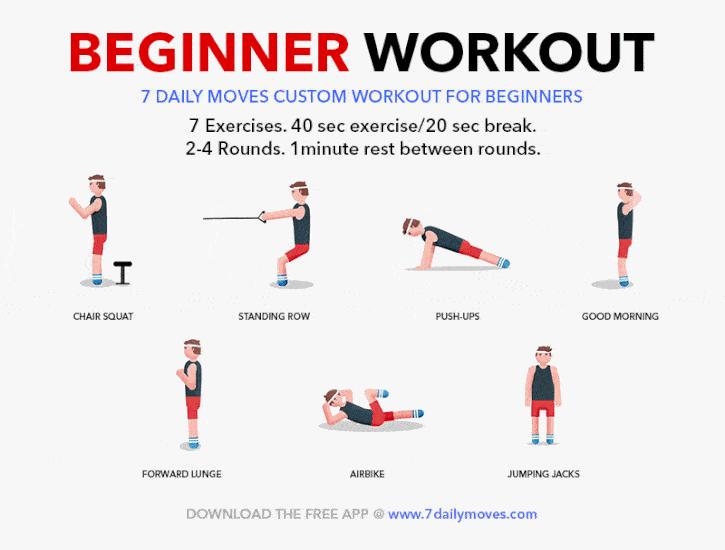
1. Squats: Building Lower Body Strength
- How to do it: Stand with your feet shoulder-width apart, toes pointing slightly outward. Keep your chest up and back straight. Lower your hips as if sitting back into a chair, ensuring your knees track over your toes and don’t go past them. Aim to get your thighs parallel to the floor. Push through your heels to return to the starting position.
- Beginner Tip: Start by squatting to a chair or bench to ensure you achieve proper depth and form.
- Muscles Worked: Quadriceps, hamstrings, glutes, core.
2. Push-Ups: Upper Body Powerhouse
- How to do it: Place your hands slightly wider than shoulder-width apart on the floor, fingers pointing forward. Extend your legs back, forming a straight line from your head to your heels. Lower your chest towards the floor by bending your elbows, keeping them tucked slightly towards your body. Push back up to the starting position.
- Beginner Tip: If standard push-ups are too challenging, start on your knees. Ensure your body remains in a straight line from head to knees.
- Muscles Worked: Chest, shoulders, triceps, core.
3. Lunges: Improving Balance and Leg Strength
- How to do it: Stand with your feet hip-width apart. Step forward with one leg, lowering your hips until both knees are bent at approximately 90-degree angles. Your front knee should be directly above your ankle, and your back knee should hover just above the floor. Push off your front foot to return to the starting position. Alternate legs.
- Beginner Tip: Focus on maintaining an upright torso and controlled movements.
- Muscles Worked: Quadriceps, hamstrings, glutes, calves, core.
4. Plank: Core Stability Essential
- How to do it: Start in a push-up position, then lower yourself onto your forearms, ensuring your elbows are directly beneath your shoulders. Keep your body in a straight line from head to heels, engaging your core and glutes. Avoid letting your hips sag or rise too high.
- Beginner Tip: Hold for shorter durations (e.g., 20-30 seconds) and gradually increase the time as you get stronger.
- Muscles Worked: Abdominals, obliques, lower back, shoulders.
5. Glute Bridges: Activating Your Posterior Chain
- How to do it: Lie on your back with your knees bent and feet flat on the floor, hip-width apart. Your arms should be by your sides. Engage your glutes and lift your hips off the floor until your body forms a straight line from your shoulders to your knees. Squeeze your glutes at the top, then slowly lower back down.
- Beginner Tip: Focus on the squeeze at the top to maximize glute activation.
- Muscles Worked: Glutes, hamstrings, lower back.
6. Bird-Dog: Enhancing Core Stability and Balance
- How to do it: Start on your hands and knees, with your hands directly under your shoulders and knees under your hips. Keep your back flat and core engaged. Simultaneously extend your right arm forward and your left leg backward, keeping them parallel to the floor. Hold for a moment, then return to the starting position. Repeat on the opposite side (left arm, right leg).
- Beginner Tip: Move slowly and with control, focusing on maintaining a stable core and preventing your back from arching.
- Muscles Worked: Core, glutes, back muscles, shoulders.
Cardiovascular Exercise at Home
Cardio is vital for heart health, endurance, and calorie burning. You don’t need a treadmill or elliptical to get your heart rate up.
- Jumping Jacks: A classic full-body cardio move.
- High Knees: Run in place, bringing your knees up towards your chest.
- Butt Kicks: Run in place, kicking your heels towards your glutes.
- Mountain Climbers: From a plank position, alternate bringing your knees towards your chest.
- Dancing: Put on your favorite music and move! It’s fun and effective.
- Stair Climbing: If you have stairs, use them for a great cardio workout.
Flexibility and Mobility Exercises
Stretching and mobility work are crucial for injury prevention, improving range of motion, and aiding recovery.
- Dynamic Stretches (Warm-up): Arm circles, leg swings, torso twists. These prepare your muscles for exercise.
- Static Stretches (Cool-down): Hamstring stretch, quad stretch, triceps stretch, chest stretch. Hold each stretch for 20-30 seconds.
- Yoga Poses: Downward-facing dog, cat-cow pose, child’s pose can improve flexibility and reduce tension.
Designing Your Beginner Home Workout Routine
Consistency is key. Aim to create a routine that you can realistically stick to.
Sample Weekly Workout Schedule (Beginner)
- Monday: Full Body Strength (Squats, Push-ups, Lunges, Plank, Glute Bridges) – 3 sets of 10-12 reps.
- Tuesday: Cardio & Core (20 minutes of jumping jacks, high knees, mountain climbers, followed by 3 sets of 30-second planks).
- Wednesday: Rest or Active Recovery (light walk, stretching, yoga).
- Thursday: Full Body Strength (Repeat Monday’s routine or vary exercises slightly).
- Friday: Cardio & Flexibility (20-25 minutes of your preferred cardio, followed by 15 minutes of static stretching).
- Saturday: Active Recovery or Rest.
- Sunday: Rest.
The Importance of Warm-ups and Cool-downs
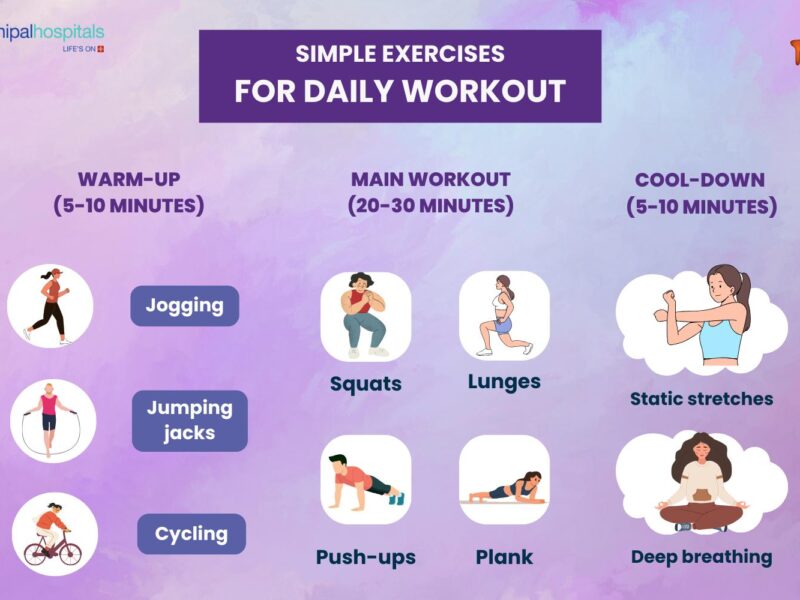
- Warm-up (5-10 minutes): Prepare your body for exercise. This includes light cardio (jogging in place, jumping jacks) and dynamic stretches. A proper warm-up increases blood flow, loosens muscles, and reduces the risk of injury.
- Cool-down (5-10 minutes): Help your body recover. This involves slowing down your heart rate with light activity and performing static stretches to improve flexibility and reduce muscle soreness.
Progressive Overload: How to Keep Improving
To continue making progress, you need to gradually increase the challenge. This principle is called progressive overload. For beginners, this can mean:
- Increasing Repetitions: If you can comfortably do 10 squats, aim for 12 next time.
- Increasing Sets: Add another set to your exercises.
- Increasing Difficulty: Move from knee push-ups to standard push-ups.
- Decreasing Rest Time: Shorten the rest periods between sets.
- Adding Resistance: Use resistance bands or light dumbbells.
Listening to Your Body: Avoiding Overtraining and Injury
Your body will give you signals. Learn to recognize the difference between muscle fatigue and pain.
- Muscle Soreness (DOMS – Delayed Onset Muscle Soreness): This is normal, especially when starting. It usually peaks 24-48 hours after a workout.
- Sharp or Sudden Pain: This is a warning sign. Stop the exercise immediately. Pushing through sharp pain can lead to serious injury.
- Fatigue: Persistent, overwhelming tiredness can indicate overtraining. Ensure you’re getting enough rest and sleep.
If you experience persistent pain, consult a healthcare professional or a certified fitness trainer. Proper form is paramount to prevent injuries.
Nutrition and Hydration: Fueling Your Fitness
Your diet plays a massive role in your fitness success. Exercise and nutrition go hand-in-hand.
The Role of Macronutrients
- Protein: Essential for muscle repair and growth. Sources include lean meats, poultry, fish, eggs, dairy, legumes, and tofu.
- Carbohydrates: Provide energy for your workouts. Opt for complex carbs like whole grains, fruits, and vegetables.
- Fats: Important for hormone production and overall health. Choose healthy fats from avocados, nuts, seeds, and olive oil.
Hydration: The Unsung Hero
Water is crucial for nearly every bodily function, especially during exercise. Dehydration can lead to fatigue, decreased performance, and even heatstroke. Aim to drink water consistently throughout the day, and especially before, during, and after your workouts. A general guideline is about 8 glasses (2 liters) per day, but this can increase with activity levels.
Pre- and Post-Workout Nutrition
- Pre-Workout: A small, easily digestible meal or snack containing carbohydrates for energy about 1-2 hours before your workout is ideal. Examples include a banana, a small bowl of oatmeal, or a piece of toast.
- Post-Workout: Consume a combination of protein and carbohydrates within 30-60 minutes after your workout to aid muscle recovery. Examples include a protein shake with fruit, Greek yogurt with berries, or chicken breast with sweet potato.
Staying Motivated: The Key to Long-Term Success
Motivation can ebb and flow. Here’s how to keep it strong:
Find Your “Why”
Revisit your initial goals. Why did you start this journey? Connecting with your deeper purpose can reignite your drive when motivation wanes.
Track Your Progress
Keep a workout journal. Note down the exercises you did, the sets, reps, and how you felt. Seeing your improvements over time is incredibly motivating. You can also track measurements or how your clothes fit.
Make it Fun!
Incorporate activities you genuinely enjoy. If you hate running, don’t force it. Try dancing, cycling (if accessible), or following along with fun workout videos online. Variety can prevent boredom.
Find a Workout Buddy (Even Virtually)
Accountability partners can make a huge difference. Arrange virtual check-ins or share your progress with a friend.
Reward Yourself
Set milestones and celebrate your achievements. This doesn’t have to be food-related. Treat yourself to new workout gear, a massage, or a relaxing evening.
Embrace Imperfection
Some days will be harder than others. You might miss a workout or not perform as well as you hoped. Don’t let it derail you. Acknowledge it, learn from it, and get back on track with your next planned session. Consistency over perfection is the goal.
Common Beginner Mistakes and How to Avoid Them
Even with the best intentions, beginners can fall into common traps.
Mistake 1: Doing Too Much Too Soon
- Avoidance: Start slowly. Focus on mastering the basic movements with good form. Gradually increase intensity, duration, and frequency. Rome wasn’t built in a day, and neither is a fit body!
Mistake 2: Neglecting Proper Form
- Avoidance: Watch videos, use a mirror, or even record yourself. Prioritize form over lifting heavier weights or doing more reps. Poor form is a fast track to injury. Consider a session with a virtual trainer if possible to get personalized form feedback.
Mistake 3: Ignoring Rest and Recovery
- Avoidance: Schedule rest days into your routine. Listen to your body. Overtraining leads to burnout and injury, hindering progress. Sleep is your body’s primary recovery tool, so prioritize getting 7-9 hours per night.
Mistake 4: Inconsistent Routine
- Avoidance: Create a schedule that fits your life and treat your workouts like important appointments. Even short, consistent workouts are more effective than sporadic, intense sessions.
Mistake 5: Unrealistic Expectations
- Avoidance: Understand that fitness is a journey, not a race. Celebrate small victories and focus on sustainable progress. Avoid comparing yourself to others, especially those with years of training experience.
Integrating Home Workouts into a Busy Lifestyle
Life gets hectic, but fitting in exercise is possible.
Time-Saving Strategies
- Break It Up: If a 30-minute workout feels too long, break it into 10- or 15-minute sessions throughout the day.
- Workout While Multitasking: Do squats during TV commercials, lunges while waiting for water to boil, or planks while listening to a podcast.
- Morning Workouts: Exercise first thing in the morning before the day’s distractions pile up.
Making Fitness a Habit
- Habit Stacking: Link your workout to an existing habit. For example, “After I brush my teeth in the morning, I will do my 15-minute workout.”
- Prepare in Advance: Lay out your workout clothes the night before. Have your water bottle ready. Reduce any barriers to starting.
Modifying Exercises for Different Needs
Not every exercise is suitable for everyone. Adapt as needed.
Modifications for Joint Pain
- Squats: Use a chair for support or reduce the range of motion.
- Push-ups: Perform them against a wall or on an incline (e.g., hands on a sturdy table).
- Planks: Perform on your knees.
- Low-Impact Cardio: Opt for walking in place, gentle cycling (if available), or water aerobics (if accessible).
Modifications for Limited Space
- Bodyweight Exercises: Most bodyweight exercises require minimal space.
- Cardio: High knees, butt kicks, and jumping jacks can be done in a small area.
- Resistance Bands: Take up virtually no space and are highly effective.
Advanced Beginner Tips for 2026
As you gain confidence and strength, you can start incorporating new elements.
Introduction to Interval Training
- What it is: Alternating between short bursts of high-intensity exercise and brief recovery periods.
- Example: 30 seconds of fast-paced jumping jacks followed by 30 seconds of rest. Repeat for several rounds. This is highly effective for improving cardiovascular fitness.
Exploring Different Workout Styles
- HIIT (High-Intensity Interval Training): Shorter, more intense workouts.
- Circuit Training: Moving from one exercise to the next with minimal rest in between.
- Yoga & Pilates: Excellent for flexibility, core strength, and mindfulness. Many online resources offer beginner-friendly classes.
Using Technology to Your Advantage
- Fitness Apps: Numerous apps offer guided workouts, progress tracking, and personalized plans. Explore options like Nike Training Club, Peloton Digital, or Fitbod.
- Wearable Fitness Trackers: Devices like Apple Watch, Fitbit, or Garmin can monitor your activity levels, heart rate, and sleep, providing valuable insights.
- Online Fitness Communities: Join forums or social media groups for support and motivation.
The Mental Health Benefits of Home Workouts
The advantages of exercise extend beyond the physical. Regular physical activity is a powerful tool for improving mental well-being.
Stress Reduction
Exercise is a fantastic way to manage stress. Physical activity helps reduce the levels of stress hormones like cortisol and adrenaline. It also stimulates the production of endorphins, which are natural mood lifters.
Improved Mood and Reduced Anxiety
Consistent exercise can alleviate symptoms of depression and anxiety. The sense of accomplishment after a workout, combined with the physiological changes, can significantly boost your mood.
Enhanced Cognitive Function
Regular physical activity has been linked to improved memory, focus, and overall brain health. It increases blood flow to the brain and promotes the growth of new brain cells.
Better Sleep Quality
While intense workouts close to bedtime can be disruptive, regular exercise generally promotes deeper, more restful sleep. This, in turn, positively impacts mood, energy levels, and overall health.
Case Study: Sarah’s Journey to Fitness at Home
Sarah, a 35-year-old marketing professional, felt overwhelmed by the idea of joining a gym. She worked long hours and felt self-conscious about her fitness level. In early 2026, she decided to try home workouts for beginners.
Her Plan:
- Goal: Increase energy levels and lose 10 pounds by the end of the year.
- Routine: Three 30-minute full-body strength sessions per week using bodyweight exercises and resistance bands. Two 20-minute cardio sessions (dancing and jumping jacks).
- Focus: Perfecting form using online tutorials and tracking progress in a notebook.
- Nutrition: Gradually incorporating more whole foods and ensuring adequate water intake.
Challenges:
- Initial lack of motivation on some mornings.
- Soreness after the first few weeks.
- Finding time amidst a busy work schedule.
Solutions:
- She set her alarm 30 minutes earlier on workout days.
- She embraced the soreness as a sign of progress and focused on dynamic stretching.
- She started “habit stacking” – doing her workout immediately after her morning coffee.
- She celebrated small wins, like completing an extra rep or holding a plank longer.
Results:
Within three months, Sarah noticed a significant increase in her energy levels. Her clothes fit better, and she felt stronger and more confident. By the six-month mark, she had lost 8 pounds and consistently completed her workouts with enthusiasm. Sarah proved that a successful fitness journey is entirely possible from home.
Checklist: Your Home Workout Launchpad
Use this checklist to ensure you’re set up for success:
- [ ] Define Your Goals: What do you want to achieve? (e.g., lose weight, gain strength, feel healthier)
- [ ] Schedule Your Workouts: Block out time in your calendar.
- [ ] Designate Your Space: Clear an area for exercise.
- [ ] Gather Basic Equipment: Yoga mat, resistance bands (optional: light dumbbells).
- [ ] Learn Proper Form: Watch tutorials, use a mirror.
- [ ] Plan Your Routine: Start with 3-4 sessions per week.
- [ ] Include Warm-ups & Cool-downs: Don’t skip these!
- [ ] Focus on Nutrition: Fuel your body adequately.
- [ ] Stay Hydrated: Drink plenty of water.
- [ ] Find Motivation: Identify your “why” and track progress.
- [ ] Listen to Your Body: Rest when needed, avoid pain.
- [ ] Be Patient: Progress takes time. Celebrate consistency!
Frequently Asked Questions (FAQs)
What are the most important exercises for a beginner home workout?
For beginners, the most important exercises focus on fundamental movement patterns and building a solid foundation. These include bodyweight exercises like squats (for legs and glutes), push-ups (for chest, shoulders, and triceps – modified on knees if needed), lunges (for leg strength and balance), planks (for core stability), and glute bridges (for glutes and hamstrings). Incorporating some form of cardiovascular activity like jumping jacks or high knees is also crucial for heart health. The key is mastering the form of these basic movements before progressing to more complex exercises.
How often should a beginner exercise at home?
As a beginner, aim for consistency rather than intensity. Starting with 3 to 4 workout sessions per week is a good target. These sessions don’t need to be long; even 20-30 minutes can be effective. Ensure you include rest days between strength training sessions to allow your muscles to recover and rebuild. Listening to your body is paramount; if you feel excessively fatigued or sore, take an extra rest day. Gradually increase the frequency or duration as your fitness improves.
What is the best time of day for a beginner to work out at home?
The “best” time of day is highly individual and depends on your personal schedule and preferences. Some people thrive with morning workouts, finding they have more energy and fewer distractions before the day begins. Others prefer exercising later in the day to de-stress. The most effective time is the time you can consistently stick to. Experiment with different times – morning, lunch break, or evening – to see what works best for your lifestyle and energy levels. Consistency is far more important than the specific time you choose.
Do I need special equipment for home workouts?
No, you don’t need special equipment to start. Bodyweight exercises are incredibly effective for beginners. However, a few affordable items can enhance your workouts and provide variety. A yoga mat is highly recommended for comfort during floor exercises. Resistance bands are versatile, inexpensive, and add challenge to many movements. As you progress, you might consider investing in a pair of light dumbbells. But to begin, your own body weight is more than enough.
How long will it take to see results from home workouts?
Results vary depending on individual factors like starting fitness level, consistency, intensity of workouts, and diet. However, most beginners start noticing positive changes within 4-8 weeks. These initial changes might include increased energy levels, improved sleep, better mood, and a feeling of increased strength or endurance. Visible physical changes like muscle definition or significant weight loss typically take longer, often 3-6 months or more of consistent effort. Remember, fitness is a journey, and focusing on sustainable habits is more important than chasing rapid results.
How can I stay motivated to continue my home workout routine?
Staying motivated is often the biggest challenge. Strategies include: setting clear, achievable goals; tracking your progress (e.g., in a workout journal); finding activities you genuinely enjoy; rewarding yourself for reaching milestones; joining online fitness communities for support; and finding an accountability partner. Remember your “why” – the reason you started in the first place. Celebrate consistency over perfection, and don’t get discouraged by occasional missed workouts.
Conclusion: Your Fitness Journey Starts Now!
Embarking on a fitness journey doesn’t require a gym membership or expensive equipment. With the guidance in this comprehensive article, you’re well-equipped to start your home workout adventure in 2026. Remember to begin with the fundamentals, prioritize proper form, listen to your body, and stay consistent. By setting realistic goals, fueling yourself with nutritious food and water, and finding ways to stay motivated, you can achieve remarkable results and build lasting healthy habits right in your own home. The most important step is the first one – so lace up those shoes (or go barefoot!) and get moving. Your healthier, stronger self awaits!