Transform Your Health: Natural Weight Loss Tips at Home
Are you looking for effective, sustainable ways to shed extra pounds without harsh diets or expensive gym memberships? You’re in the right place! This comprehensive guide unlocks over 100 powerful natural weight loss tips at home that you can start implementing today, in 2026, to achieve your health and fitness goals. We’ll delve into practical strategies encompassing diet, exercise, lifestyle changes, and mindset shifts, all designed to empower you on your journey to a healthier, happier you. The key to successful and lasting weight loss isn’t about quick fixes; it’s about adopting sustainable habits that nourish your body and mind.
The Science Behind Natural Weight Loss
Before we dive into the actionable tips, it’s crucial to understand the fundamental principles of natural weight loss. At its core, weight loss occurs when you consistently burn more calories than you consume. This is known as a calorie deficit. However, “natural” weight loss emphasizes achieving this deficit through wholesome, sustainable methods that prioritize your overall well-being, rather than relying on restrictive diets or artificial supplements.
This approach focuses on:
- Nutrient-Dense Foods: Prioritizing whole, unprocessed foods that provide essential vitamins, minerals, and fiber, which help you feel full and satisfied.
- Mindful Eating: Paying attention to hunger and fullness cues, eating slowly, and savoring your meals.
- Regular Physical Activity: Incorporating movement into your daily routine that you enjoy, making it a sustainable habit.
- Adequate Sleep: Recognizing the critical role sleep plays in hormone regulation and metabolism.
- Stress Management: Understanding how chronic stress can impact weight and developing coping mechanisms.
- Hydration: Drinking enough water throughout the day, which is vital for numerous bodily functions, including metabolism.
By focusing on these pillars, you create an environment where your body can naturally shed excess weight while improving its overall health and vitality. This isn’t just about looking better; it’s about feeling better from the inside out.
Natural Weight Loss Tips at Home: The Ultimate Guide
This extensive guide is your roadmap to achieving natural weight loss at home. We’ve organized these tips into logical categories to make them easy to digest and implement. Remember, consistency is key, and even small changes can lead to significant results over time.
I. Revolutionize Your Diet for Natural Weight Loss
The food you eat is arguably the most significant factor in your weight loss journey. Shifting your dietary habits to focus on whole, unprocessed foods is paramount for natural weight loss.
A. Embrace Whole Foods
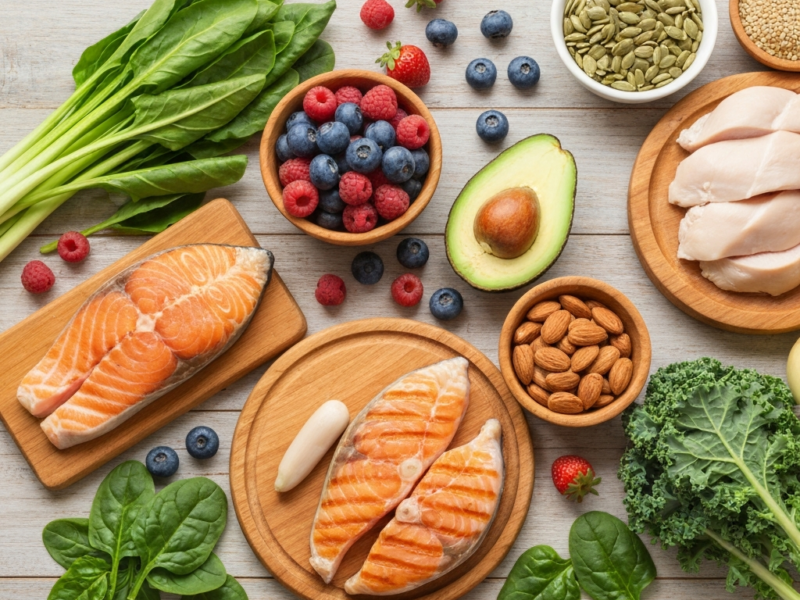
- Prioritize Fruits and Vegetables: Aim to fill half your plate with a colorful variety of fruits and vegetables at every meal. They are low in calories, high in fiber, and packed with essential nutrients. Think leafy greens, berries, cruciferous vegetables, and vibrant root vegetables.
- Choose Lean Proteins: Protein is crucial for satiety and muscle maintenance. Include sources like chicken breast, turkey, fish, beans, lentils, tofu, and Greek yogurt.
- Incorporate Healthy Fats: Don’t fear fats! Healthy fats found in avocados, nuts, seeds, and olive oil are essential for hormone production and can help you feel full.
- Opt for Whole Grains: Replace refined grains (white bread, white rice) with whole grains like quinoa, brown rice, oats, and whole wheat pasta. They provide sustained energy and fiber.
- Limit Processed Foods: These are often high in added sugars, unhealthy fats, and sodium, contributing to weight gain and poor health. Read labels carefully.
- Reduce Added Sugars: Sugary drinks, candies, pastries, and many processed snacks are major culprits. Opt for natural sweetness from fruits.
- Control Sodium Intake: Excessive sodium can lead to water retention, making you feel bloated. Season your food with herbs and spices instead of salt.
- Cook at Home More Often: This gives you complete control over ingredients and portion sizes.
- Meal Prep: Dedicate time each week to prepare healthy meals and snacks. This prevents impulsive unhealthy choices when you’re busy or hungry.
- Batch Cook Staples: Cook large batches of grains, proteins, or roasted vegetables to easily assemble meals throughout the week.
- Invest in Quality Ingredients: Focus on fresh, seasonal produce and high-quality protein sources.
- Grow Your Own Herbs: Fresh herbs add flavor without calories and can elevate simple dishes.
- Explore Farmers’ Markets: Discover seasonal produce and support local agriculture.
- Read Food Labels Diligently: Pay attention to serving sizes, calories, sugar content, and ingredients.
- Understand Macronutrients: Balance your intake of carbohydrates, proteins, and fats for optimal health and weight management.
- Focus on Fiber: Fiber aids digestion, promotes fullness, and helps regulate blood sugar.
- Prioritize Antioxidants: Found abundantly in fruits and vegetables, antioxidants combat cellular damage.
- Choose Nutrient Density: Select foods that offer the most nutritional value for their calorie count.
- Eliminate Sugary Beverages: Sodas, sweetened teas, and fruit juices are empty calories. Stick to water, unsweetened tea, or black coffee.
- Hydrate Before Meals: Drinking a glass of water before eating can help you feel fuller and consume less.
B. Mindful Eating Practices
- Eat Slowly and Chew Thoroughly: This allows your brain time to register fullness signals, preventing overeating.
- Savor Each Bite: Pay attention to the taste, texture, and aroma of your food.
- Eliminate Distractions: Turn off the TV, put away your phone, and focus solely on your meal.
- Listen to Your Body’s Hunger Cues: Eat when you’re genuinely hungry and stop when you’re comfortably full, not stuffed.
- Use Smaller Plates and Bowls: This visual trick can help you manage portion sizes.
- Don’t Eat Directly from the Package: Portion out your snacks or meals onto a plate.
- Practice Gratitude for Your Food: Acknowledging the effort that went into your meal can foster a more positive relationship with eating.
- Identify Emotional Eating Triggers: Recognize if you eat out of boredom, stress, or sadness, and find alternative coping mechanisms.
- Delay Gratification: If you crave something unhealthy, wait 10-15 minutes. Often, the craving will pass.
- Plan Your Meals: Knowing what you’ll eat reduces the likelihood of making poor choices when hunger strikes.
C. Smart Snacking Strategies
- Choose Whole Food Snacks: Opt for fruits, vegetables with hummus, a small handful of nuts, or Greek yogurt.
- Portion Control Snacks: Pre-portion snacks into small bags or containers.
- Pair Protein and Fiber: Combine protein sources with fiber-rich foods for maximum satiety (e.g., apple slices with peanut butter).
- Avoid Processed Snack Foods: Chips, cookies, and crackers are typically high in calories and low in nutrients.
- Keep Healthy Snacks Accessible: Have them readily available at home, in your car, or at your desk.
- Drink Water Between Meals: Sometimes thirst can be mistaken for hunger.
- Plan for Snacks: Don’t leave snacking to chance. Decide in advance what you’ll eat.
- Listen to True Hunger: Differentiate between physical hunger and cravings.
- Consider Nutrient-Rich Options: Think about snacks that offer vitamins and minerals, not just calories.
- Limit High-Calorie Snacks: Be mindful of portion sizes for nuts, seeds, and dried fruits.
D. Hydration for Weight Loss
- Drink Plenty of Water: Aim for at least 8 glasses (64 ounces) per day, and more if you’re active or in a hot climate.
- Carry a Reusable Water Bottle: Keep it with you throughout the day as a constant reminder to drink.
- Infuse Water Naturally: Add slices of lemon, cucumber, mint, or berries for flavor without added sugar.
- Drink Water Before and During Meals: Aids digestion and promotes fullness.
- Replace Sugary Drinks with Water: This is one of the simplest yet most effective weight loss strategies.
- Monitor Your Urine Color: Pale yellow indicates good hydration.
- Increase Water Intake with Exercise: Replenish fluids lost through sweat.
- Herbal Teas Count: Unsweetened herbal teas are a great way to stay hydrated and can offer additional health benefits.
- Understand Dehydration Symptoms: Fatigue, headaches, and dizziness can be signs you need more water.
- Make Water Appealing: Experiment with different natural flavor infusions to find what you enjoy most.
II. Effortless Home-Based Exercise for Natural Weight Loss
You don’t need a gym to get your body moving. Incorporating regular physical activity into your routine is vital for burning calories, boosting metabolism, and improving overall health.
A. Cardiovascular Exercise at Home
- Brisk Walking: Even a brisk walk around your neighborhood or in place indoors can significantly contribute to calorie expenditure.
- Jumping Jacks: A classic, effective full-body cardio exercise.
- High Knees: Another excellent way to elevate your heart rate.
- Butt Kicks: Works the hamstrings and gets your heart pumping.
- Dancing: Put on your favorite music and dance! It’s a fun and effective way to burn calories.
- Stair Climbing: If you have stairs, use them! Walk up and down multiple times.
- Jump Rope: A highly efficient cardio workout that can be done in a small space.
- Shadow Boxing: Punching the air engages your upper body and core while elevating your heart rate.
- Online Fitness Videos: Utilize the vast array of free cardio workouts available on platforms like YouTube.
- HIIT (High-Intensity Interval Training): Short bursts of intense exercise followed by brief recovery periods. Many home-friendly HIIT routines exist.
- Cycling (Stationary Bike): If you have access to a stationary bike, it’s a great low-impact cardio option.
- Aerobics Classes (Online): Many studios and trainers offer live or on-demand online aerobics classes.
- Jogging in Place: A simple way to increase your heart rate without leaving your living room.
- Mountain Climbers: A challenging exercise that works your core and cardiovascular system.
- Burpees: A full-body exercise that is incredibly effective for calorie burning.
- Brisk Walking on a Treadmill: If you own a treadmill, use it consistently.
- Elliptical Trainer Workouts: Another low-impact cardio option if you have the equipment.
- Dancing with Fitness Games: Utilize motion-sensing video games for interactive cardio.
- Power Walking Intervals: Alternate between periods of faster and slower walking.
- Home Treadmill Workouts: Explore different incline and speed settings for varied intensity.
B. Strength Training at Home
- Bodyweight Squats: Works your quads, hamstrings, and glutes.
- Lunges: Excellent for leg strength and balance.
- Push-ups: Strengthen your chest, shoulders, and triceps. Modify on your knees if needed.
- Plank: Builds core strength and stability.
- Glute Bridges: Targets the glutes and hamstrings.
- Triceps Dips (using a chair): Isolates the triceps muscles.
- Crunches: Focuses on abdominal muscles.
- Leg Raises: Targets the lower abdominal area.
- Wall Sits: Builds isometric leg strength.
- Dumbbell Exercises: If you have dumbbells, incorporate exercises like bicep curls, overhead presses, and rows.
- Resistance Band Exercises: Versatile and portable, resistance bands can be used for a full-body workout.
- Kettlebell Swings: A dynamic exercise that works multiple muscle groups and provides a cardio benefit.
- Bird-Dog: Improves core stability and balance.
- Supermans: Strengthens the back muscles.
- Calf Raises: Targets the calf muscles.
- Chair Squats: A modified squat that is easier on the knees.
- Side Lunges: Works the inner and outer thighs.
- Push-up Variations: Explore incline, decline, or wide-grip push-ups to challenge yourself.
- Russian Twists: Engages the obliques for a stronger core.
- Home Dumbbell Routines: Create a series of exercises using your available weights.
C. Flexibility and Mobility
- Stretching: Incorporate dynamic stretches before workouts and static stretches after.
- Yoga: Numerous online resources offer yoga for all levels, improving flexibility, strength, and mindfulness.
- Pilates: Focuses on core strength, flexibility, and body awareness.
- Foam Rolling: Helps release muscle tension and improve recovery.
- Dynamic Warm-ups: Prepare your body for exercise with movements like arm circles, leg swings, and torso twists.
- Static Cool-downs: Hold stretches for major muscle groups after your workout.
- Mobility Exercises: Focus on improving the range of motion in your joints.
- Gentle Stretching Routines: Incorporate simple stretches throughout the day, especially if you sit for long periods.
- Tai Chi: A low-impact practice that improves balance, flexibility, and mindfulness.
- Pilates for Core Strength: Focus on exercises that build a strong, stable center.
III. Lifestyle Habits for Sustainable Natural Weight Loss
Beyond diet and exercise, several lifestyle adjustments can significantly impact your weight loss journey at home.
A. Sleep and Stress Management
- Prioritize Sleep: Aim for 7-9 hours of quality sleep per night. Poor sleep disrupts hormones that regulate appetite.
- Establish a Sleep Schedule: Go to bed and wake up around the same time each day, even on weekends.
- Create a Relaxing Bedtime Routine: Wind down with a book, warm bath, or gentle stretching.
- Optimize Your Sleep Environment: Keep your bedroom dark, quiet, and cool.
- Limit Screen Time Before Bed: The blue light emitted from devices can interfere with melatonin production.
- Manage Stress Effectively: Chronic stress can lead to increased cortisol levels, promoting fat storage.
- Practice Mindfulness or Meditation: Even a few minutes a day can reduce stress.
- Deep Breathing Exercises: Simple yet powerful for calming the nervous system.
- Spend Time in Nature: Being outdoors can reduce stress and improve mood.
- Journaling: Writing down your thoughts and feelings can be a therapeutic way to process stress.
- Engage in Hobbies: Make time for activities you enjoy to de-stress.
- Seek Social Support: Talk to friends, family, or a therapist about your stressors.
- Set Realistic Expectations: Avoid overcommitting yourself, which can lead to stress.
- Learn to Say No: Protect your time and energy by declining requests that will overwhelm you.
- Regular Breaks During Work: Step away from your tasks to recharge and reduce mental fatigue.
B. Building a Supportive Home Environment
- Communicate Your Goals: Let your household members know about your natural weight loss aspirations so they can offer support.
- Stock Your Kitchen Wisely: Fill your pantry and refrigerator with healthy foods and remove tempting unhealthy options.
- Create a Dedicated Workout Space: Even a small corner can serve as your home gym.
- Find an Accountability Partner: A friend or family member can help keep you motivated.
- Celebrate Small Victories: Acknowledge and reward your progress to stay motivated.
- Limit Exposure to Triggers: If certain social media accounts or TV shows make you feel bad about your body, unfollow or limit your exposure.
- Make Healthy Choices Easy: Prepare healthy snacks in advance, have workout clothes laid out, etc.
- Involve Family in Healthy Activities: Plan active outings or cook healthy meals together.
- Positive Affirmations: Use positive self-talk to reinforce your goals and build confidence.
- Track Your Progress: Use a journal or app to monitor your food intake, workouts, and how you feel.
C. Mindset and Motivation
- Focus on Progress, Not Perfection: Don’t get discouraged by occasional slip-ups. Get back on track immediately.
- Set SMART Goals: Specific, Measurable, Achievable, Relevant, Time-bound goals.
- Visualize Your Success: Imagine yourself achieving your weight loss goals and feeling healthier.
- Be Patient: Natural weight loss takes time. Trust the process.
- Practice Self-Compassion: Be kind to yourself throughout your journey.
- Find Your “Why”: Understand your deep-seated reasons for wanting to lose weight.
- Educate Yourself: Continue learning about nutrition and fitness to stay informed and motivated.
- Join Online Communities: Connect with others on similar journeys for support and inspiration.
- Focus on Non-Scale Victories: Notice improvements in energy levels, sleep quality, and how your clothes fit.
- Reframe Negative Thoughts: Challenge self-defeating thoughts and replace them with positive affirmations.
- Stay Curious: Approach your health journey with a sense of exploration and learning.
- Embrace Imperfection: Life happens, and perfect adherence isn’t always possible. Focus on consistent effort.
- Seek Inspiration: Read success stories, watch motivational videos, and surround yourself with positive influences.
- Develop Resilience: Learn to bounce back from setbacks stronger than before.
- Cultivate a Growth Mindset: Believe that you can improve and achieve your goals through effort and learning.
IV. Advanced Natural Weight Loss Strategies at Home
Once you have the basics down, consider these additional strategies to further enhance your natural weight loss at home.
- Intermittent Fasting (IF): Explore different IF methods (e.g., 16/8) where you cycle between periods of eating and voluntary fasting. This can help reduce overall calorie intake and improve metabolic health. Always consult a healthcare professional before starting IF.
- Listen to Your Body’s Natural Rhythms: Pay attention to when you feel most energetic and schedule workouts accordingly.
- Incorporate NEAT (Non-Exercise Activity Thermogenesis): Increase your daily calorie burn through small movements like fidgeting, standing more, taking the stairs, and walking while talking on the phone.
- Mindful Indulgence: If you choose to have a treat, do so mindfully. Savor it, enjoy it, and then return to your healthy habits.
- Focus on Gut Health: A healthy gut microbiome is linked to better metabolism and weight management. Include probiotic-rich foods like yogurt, kefir, and fermented vegetables.
- Consider Fiber Supplements (if needed): If you struggle to get enough fiber from your diet, discuss fiber supplements with your doctor.
- Track Your Macros (Optional): For some, tracking macronutrient intake (protein, carbs, fat) can provide valuable insights into their diet.
- Experiment with Different Cooking Methods: Steaming, baking, grilling, and stir-frying use less oil than deep-frying.
- Utilize Healthy Spices and Herbs: Turmeric, cinnamon, ginger, and cayenne pepper are known for their potential metabolism-boosting properties.
- Stay Informed About Nutritional Science: Keep up with current research and recommendations from reputable health organizations.
Case Study: Sarah’s Natural Weight Loss Journey
Sarah, a 35-year-old marketing professional, felt frustrated with her weight. She had tried various fad diets with little success and felt overwhelmed by the idea of intense exercise. In 2026, she decided to focus on natural weight loss tips at home.
Her Strategy:
- Diet: Sarah started by incorporating more vegetables into every meal, switching from white rice to brown rice, and swapping sugary snacks for fruit and a small handful of almonds. She focused on drinking water throughout the day and mindful eating, slowing down her meals.
- Exercise: She began with 30-minute brisk walks around her neighborhood five times a week. After a month, she added bodyweight exercises like squats, lunges, and planks three times a week, following online videos.
- Lifestyle: Sarah committed to a consistent sleep schedule, aiming for 7.5 hours nightly. She also started a short meditation practice using a guided app to manage work stress.
The Results:
Within six months, Sarah lost 15 pounds. More importantly, she felt significantly more energetic, her digestion improved, and her confidence soared. She didn’t feel deprived and had developed sustainable habits that fit seamlessly into her busy life. Sarah’s success wasn’t about drastic changes, but consistent, natural weight loss through manageable home-based strategies. She continues to prioritize whole foods, regular movement, and stress management, proving that effective weight loss is achievable without leaving home.
Frequently Asked Questions (FAQs)
What is the most important factor for natural weight loss at home?
The most crucial factor for natural weight loss at home is creating a consistent calorie deficit through a combination of a healthy, nutrient-dense diet and regular physical activity. While exercise is vital, your dietary choices have the most significant impact on calorie intake. Focusing on whole, unprocessed foods and mindful eating habits will lay the strongest foundation for sustainable weight loss.
How quickly can I expect to see results with natural weight loss methods?
Natural weight loss is typically gradual, which is a good thing for long-term success. Aiming for a loss of 1-2 pounds per week is considered healthy and sustainable. You might notice initial changes like reduced bloating or increased energy within the first few weeks. Visible changes in body composition and weight on the scale may take several weeks to a few months, depending on your starting point, consistency, and adherence to the plan. Patience and consistency are key.
Can I lose weight at home without a gym or special equipment?
Absolutely! You can achieve significant natural weight loss without a gym or expensive equipment. Bodyweight exercises (squats, lunges, push-ups, planks), cardio activities like brisk walking, jogging in place, jumping jacks, and dancing require no equipment. Resistance bands and a set of dumbbells are affordable additions that can enhance your home workouts, but they are not strictly necessary to start. The most important elements are consistency and effort.
How does sleep affect natural weight loss?
Sleep plays a critical role in natural weight loss. When you’re sleep-deprived, your body produces more ghrelin (the hunger hormone) and less leptin (the satiety hormone), leading to increased appetite and cravings, especially for high-calorie, sugary foods. Poor sleep also disrupts cortisol levels (stress hormone) and can impair insulin sensitivity, both of which can hinder weight loss and promote fat storage. Aiming for 7-9 hours of quality sleep per night is essential for regulating hormones, managing appetite, and supporting your metabolism.
What are the best foods for natural weight loss at home?
The best foods for natural weight loss at home are whole, unprocessed, and nutrient-dense. Prioritize:
- Lean Proteins: Chicken breast, turkey, fish, eggs, beans, lentils, tofu.
- Fiber-Rich Vegetables: Leafy greens (spinach, kale), broccoli, cauliflower, bell peppers, carrots.
- Fruits: Berries, apples, bananas, oranges (in moderation).
- Whole Grains: Oats, quinoa, brown rice, whole wheat bread.
- Healthy Fats: Avocados, nuts (almonds, walnuts), seeds (chia, flax), olive oil.
These foods are filling, provide essential nutrients, and help manage hunger effectively. Limiting processed foods, added sugars, and unhealthy fats is equally important.
How can I stay motivated with my natural weight loss journey at home?
Staying motivated requires a multi-faceted approach:
- Set Realistic Goals: Focus on achievable milestones (e.g., walking 30 minutes daily, adding one vegetable serving to lunch).
- Track Progress: Monitor not just weight, but also energy levels, sleep quality, and how your clothes fit (non-scale victories).
- Find an Accountability Partner: Share your journey with a friend or family member.
- Celebrate Small Wins: Acknowledge and reward your efforts.
- Variety is Key: Mix up your workouts and meals to prevent boredom.
- Mindset Matters: Practice positive self-talk and focus on the benefits of a healthier lifestyle.
- Remember Your “Why”: Keep your core reasons for wanting to lose weight at the forefront.
- Join Online Communities: Connect with others for support and inspiration.
- Be Patient and Kind to Yourself: Understand that setbacks happen, and focus on consistent effort over perfection.
Conclusion
Embarking on a journey of natural weight loss at home in 2026 is a powerful step towards a healthier, more vibrant life. By integrating these over 100 tips into your daily routine—focusing on nutritious whole foods, consistent movement, adequate sleep, and effective stress management—you can achieve sustainable results without drastic measures. Remember that this is a marathon, not a sprint. Embrace the process, celebrate your progress, and be patient with yourself. Your commitment to these natural weight loss tips at home will undoubtedly lead you to a healthier, happier you. The power to transform your health truly lies within your own home and your daily choices. Start today, and unlock your healthiest self!
Read: 7 Essential Healthy Lifestyle Tips for Daily Life 2026
============================================================