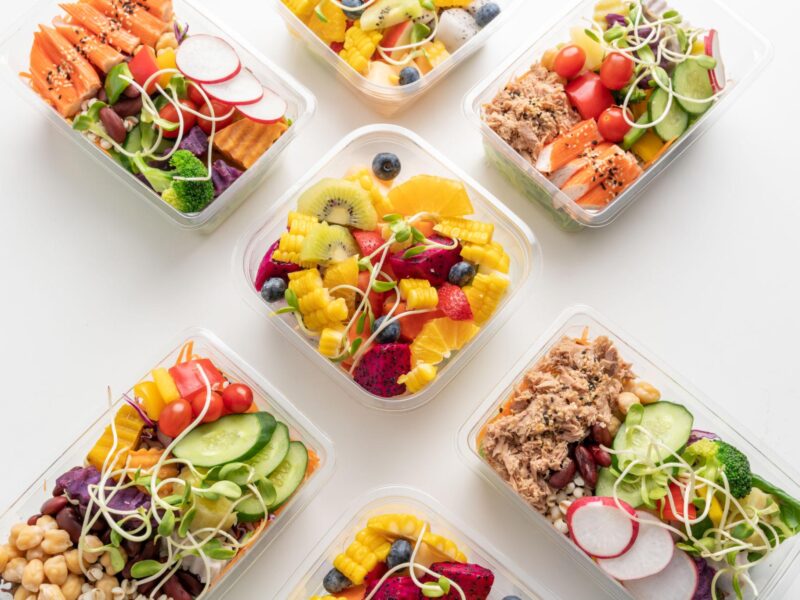
Unlock Your Best: 7 Healthy Diet Plans for 2026
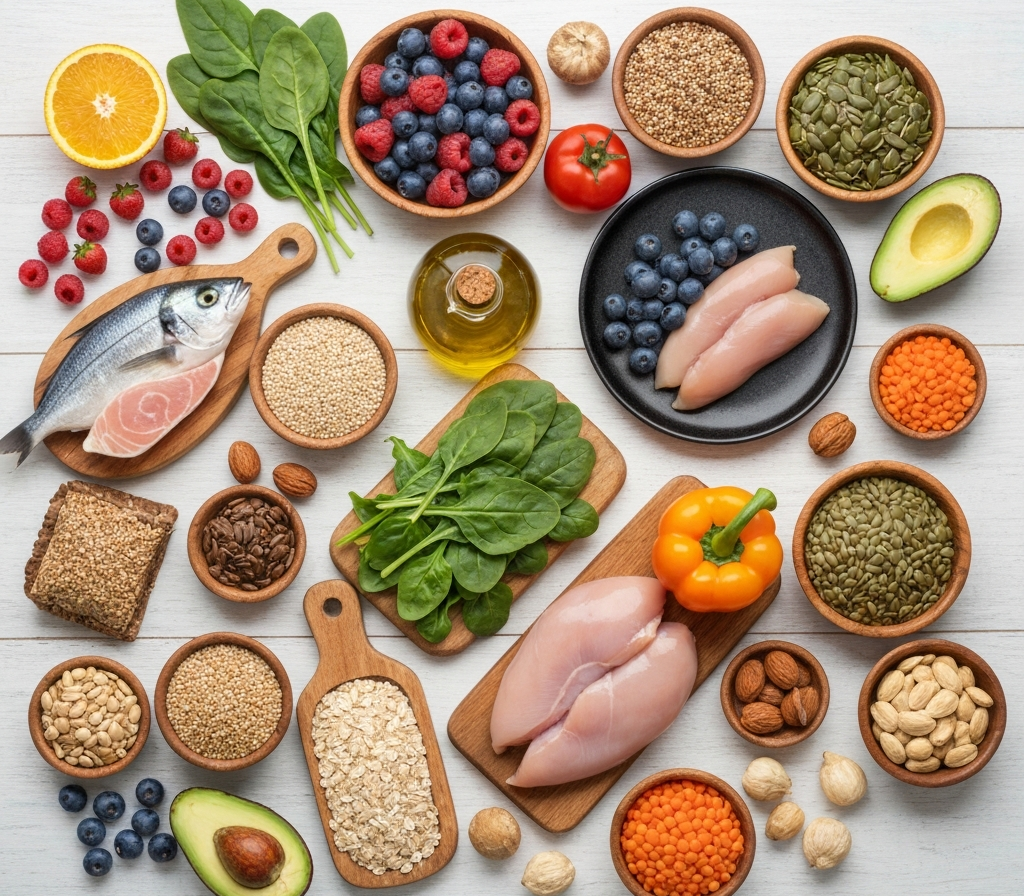
Did you know that in 2026, the global health and wellness market is projected to surpass $7 trillion? A significant portion of this growth is fueled by the ever-increasing interest in adopting healthier lifestyles, with healthy diet plans at the forefront. Understanding and implementing a well-structured dietary approach can be transformative, impacting everything from energy levels and weight management to chronic disease prevention and mental clarity. This comprehensive guide explores seven of the most effective and popular healthy diet plans available today, offering insights, practical tips, and actionable strategies to help you find the perfect fit for your unique needs and goals in 2026.
The Pillars of a Healthy Diet
Before diving into specific healthy diet plans, it’s crucial to understand the fundamental building blocks of any nutritious eating pattern. These pillars form the foundation upon which all successful diets are built, ensuring that you’re not just following a trend but truly nourishing your body.
- Whole, Unprocessed Foods: The cornerstone of health is prioritizing foods in their natural state. This means fruits, vegetables, lean proteins, whole grains, nuts, and seeds. These foods are packed with essential vitamins, minerals, fiber, and antioxidants that your body craves.
- Balanced Macronutrients: A healthy diet provides the right balance of carbohydrates, proteins, and fats. Carbohydrates are your body’s primary energy source, protein is vital for building and repairing tissues, and healthy fats are essential for hormone production and nutrient absorption.
- Adequate Hydration: Water is life. Staying properly hydrated is critical for countless bodily functions, from regulating temperature to transporting nutrients and flushing out waste products. Aim for at least eight glasses of water a day, more if you’re active or in a hot climate.
- Mindful Eating: Paying attention to your body’s hunger and fullness cues is a powerful tool. Eating mindfully helps prevent overeating, improves digestion, and fosters a healthier relationship with food.
- Portion Control: Even healthy foods can contribute to weight gain if consumed in excessive amounts. Understanding appropriate portion sizes is key to managing calorie intake effectively.
- Limiting Processed Foods, Added Sugars, and Unhealthy Fats: These culprits can contribute to inflammation, weight gain, and chronic diseases. Reducing your intake of sugary drinks, refined grains, processed snacks, and trans fats is paramount.
Why Choose a Structured Diet Plan?
In a world overflowing with dietary advice, why opt for a structured healthy diet plan? The answer lies in the clarity and guidance they provide.
- Clarity and Simplicity: Diet plans offer a roadmap. They tell you what to eat, what to limit, and often provide meal suggestions, removing the guesswork and confusion that often surrounds healthy eating.
- Targeted Health Benefits: Many diet plans are designed with specific health goals in mind, such as managing blood pressure, improving heart health, or aiding weight loss. Choosing a plan aligned with your objectives can accelerate your progress.
- Nutritional Completeness: Well-designed diet plans ensure you’re getting a broad spectrum of nutrients. They often emphasize variety within recommended food groups to prevent deficiencies.
- Behavioral Support: Following a plan can help establish new habits and routines. The structure can provide a sense of accountability and motivation, especially in the initial stages of dietary change.
- Research-Backed Approaches: Many popular diet plans are supported by extensive scientific research, offering evidence-based strategies for improved health outcomes.
7 Top Healthy Diet Plans for 2026
Let’s explore some of the most effective and popular healthy diet plans that are making waves in 2026. Each offers a unique approach to nutrition, catering to different preferences, health goals, and lifestyles.
1. The Mediterranean Diet: A Timeless Classic
Often hailed as the gold standard for healthy eating, the Mediterranean diet isn’t strictly a “diet” in the restrictive sense, but rather a sustainable and enjoyable way of life.
What is the Mediterranean Diet?
Inspired by the traditional eating habits of people from countries bordering the Mediterranean Sea, like Greece, Italy, Spain, and Morocco, this dietary pattern emphasizes fresh, whole foods and a lifestyle that includes regular physical activity and social connection. It’s less about rigid rules and more about embracing a delicious and balanced approach to eating.
Key Principles and Foods
The core of the Mediterranean diet revolves around:
- Abundant Fruits and Vegetables: Aim for a vibrant array of colorful produce at every meal. Think leafy greens, berries, tomatoes, bell peppers, citrus fruits, and more.
- Whole Grains: Opt for whole wheat bread, pasta, brown rice, oats, barley, and quinoa instead of refined grains.
- Legumes: Beans, lentils, chickpeas, and peas are excellent sources of plant-based protein and fiber.
- Nuts and Seeds: Almonds, walnuts, pistachios, sunflower seeds, and pumpkin seeds are rich in healthy fats, protein, and fiber.
- Healthy Fats: Olive oil is the primary source of added fat, used for cooking and dressing. Avocados and fatty fish also contribute healthy monounsaturated and polyunsaturated fats.
- Lean Protein: Fish and seafood are recommended at least twice a week. Poultry, eggs, and dairy (like yogurt and cheese) are consumed in moderation.
- Herbs and Spices: Flavor your food generously with fresh and dried herbs and spices instead of relying on salt.
- Moderate Red Wine: Traditionally, red wine is consumed in moderation with meals, but this is optional and not recommended for everyone.
- Limited Red Meat and Sweets: Red meat is eaten infrequently, and desserts are typically fruit-based or enjoyed as occasional treats.
Benefits and Who It’s For
The Mediterranean diet is celebrated for its extensive health benefits, supported by a vast body of scientific research. It’s particularly effective for:
- Heart Health: It significantly reduces the risk of heart disease, stroke, and high blood pressure. The emphasis on healthy fats, fiber, and antioxidants plays a crucial role.
- Weight Management: While not a weight-loss diet per se, its focus on whole, satiating foods can naturally support healthy weight management.
- Diabetes Prevention and Management: The high fiber content and low glycemic index of many foods help regulate blood sugar levels.
- Brain Health: Studies suggest it may protect against cognitive decline and reduce the risk of Alzheimer’s disease.
- Longevity: Populations following this diet tend to live longer and healthier lives.
This diet is ideal for almost anyone seeking a sustainable, enjoyable, and health-promoting eating pattern. It’s particularly well-suited for individuals looking to improve cardiovascular health, manage weight naturally, and adopt a long-term healthy lifestyle.
Sample Meal Ideas
- Breakfast: Greek yogurt with berries, walnuts, and a drizzle of honey. Whole-wheat toast with avocado and a sprinkle of red pepper flakes.
- Lunch: Large salad with mixed greens, chickpeas, cucumber, tomatoes, olives, feta cheese, and grilled chicken or fish, dressed with olive oil and lemon juice. Lentil soup with whole-grain bread.
- Dinner: Baked salmon with roasted vegetables (broccoli, bell peppers, zucchini) seasoned with herbs and olive oil. Whole-wheat pasta with marinara sauce, lean ground turkey, and a side salad.
- Snacks: A handful of almonds, an apple with almond butter, fresh fruit, or a small bowl of olives.
2. The DASH Diet: Controlling Blood Pressure Naturally
The DASH diet, which stands for Dietary Approaches to Stop Hypertension, is a well-researched and highly recommended eating plan specifically designed to manage and prevent high blood pressure.
Understanding the DASH Diet
Developed by researchers at the National Institutes of Health (NIH), the DASH diet is more than just a low-sodium plan; it’s a comprehensive approach that emphasizes nutrient-rich foods known to lower blood pressure and improve overall cardiovascular health.
Dietary Approaches to Stop Hypertension
The core principles of the DASH diet focus on increasing the intake of:
- Fruits and Vegetables: Rich in potassium, magnesium, and fiber, these foods are crucial for blood pressure regulation.
- Whole Grains: Provide essential fiber and nutrients, contributing to satiety and cardiovascular health.
- Lean Proteins: Including fish, poultry, and beans, offering protein without excessive saturated fat.
- Low-Fat Dairy: A good source of calcium, which plays a role in blood pressure control.
- Nuts, Seeds, and Legumes: Packed with magnesium, potassium, and protein.
Simultaneously, the DASH diet recommends limiting:
- Saturated and Trans Fats: Found in fatty meats, full-fat dairy, and many processed foods.
- Sodium: A major contributor to high blood pressure. The DASH diet aims for 2,300 mg per day, with a more stringent target of 1,500 mg for most adults.
- Red Meat: Consumed less frequently.
- Sweets and Added Sugars: Contribute empty calories and can negatively impact health.
Food Groups and Recommendations
The DASH diet provides specific daily and weekly serving recommendations for different food groups:
- Grains: 6-8 servings per day (focus on whole grains).
- Vegetables: 4-5 servings per day.
- Fruits: 4-5 servings per day.
- Low-Fat or Fat-Free Dairy: 2-3 servings per day.
- Lean Meats, Poultry, and Fish: Up to 6 ounces per day (2 servings).
- Nuts, Seeds, and Legumes: 4-5 servings per week.
- Fats and Oils: 2-3 servings per day (choose healthy options like olive oil).
- Sweets: 5 servings or less per week (limit to fruit-based options or small treats).
Tips for Success
- Read Labels Carefully: Pay close attention to sodium content on packaged foods.
- Flavor with Herbs and Spices: Avoid salt shakers and use herbs, spices, lemon juice, and vinegar for flavor.
- Choose Fresh or Frozen: Opt for fresh or frozen fruits and vegetables, which are naturally lower in sodium.
- Rinse Canned Goods: Rinsing canned beans and vegetables can help reduce sodium content.
- Gradual Reduction: If you’re used to a high-sodium diet, reduce your intake gradually to allow your taste buds to adjust.
- Hydration is Key: Drink plenty of water throughout the day.
The DASH diet is an excellent choice for individuals looking to proactively manage their blood pressure, reduce their risk of heart disease and stroke, and adopt a heart-healthy lifestyle.
3. The Plant-Based Revolution: Vegan and Vegetarian Options
Plant-based eating has surged in popularity, driven by health, environmental, and ethical concerns. This category encompasses a range of dietary patterns focused on foods derived from plants.
Defining Plant-Based Eating
At its core, plant-based eating emphasizes fruits, vegetables, whole grains, legumes, nuts, and seeds. It prioritizes these nutrient-dense foods while minimizing or eliminating animal products.
Vegan vs. Vegetarian: Key Differences
- Vegetarian: Excludes meat, poultry, and fish. Dairy products and eggs are typically included (lacto-ovo vegetarian). Variations include lacto-vegetarian (includes dairy, excludes eggs) and ovo-vegetarian (includes eggs, excludes dairy).
- Vegan: Excludes all animal products, including meat, poultry, fish, dairy, eggs, and often honey.
Nutritional Considerations and Planning
While incredibly healthy, vegan and vegetarian diets require careful planning to ensure adequate intake of certain nutrients that are more abundant in animal products:
- Vitamin B12: Primarily found in animal foods. Vegans must supplement or consume B12-fortified foods (plant milks, cereals, nutritional yeast).
- Iron: Plant-based iron (non-heme) is less readily absorbed than animal-based iron (heme). Pairing iron-rich plant foods (lentils, spinach, tofu) with vitamin C sources (citrus fruits, bell peppers) enhances absorption.
- Calcium: Found in leafy greens (kale, bok choy), fortified plant milks, tofu, and almonds.
- Vitamin D: Often obtained from fortified foods (plant milks, cereals) or sunlight exposure. Supplementation may be necessary.
- Omega-3 Fatty Acids: Found in flaxseeds, chia seeds, hemp seeds, and walnuts. Algal oil supplements are a direct source of EPA and DHA.
- Protein: Easily obtained from legumes, tofu, tempeh, seitan, nuts, seeds, and whole grains. Ensure a variety of sources to get all essential amino acids.
Delicious Plant-Powered Meals
- Breakfast: Oatmeal made with fortified plant milk, topped with berries, chia seeds, and a sprinkle of chopped nuts. Tofu scramble with vegetables and whole-grain toast.
- Lunch: Hearty lentil soup with a side salad. Hummus and vegetable wraps on whole-wheat tortillas. Quinoa salad with black beans, corn, avocado, and lime dressing.
- Dinner: Vegetable stir-fry with tofu or tempeh served over brown rice. Black bean burgers on whole-wheat buns with sweet potato fries. Pasta primavera loaded with seasonal vegetables.
- Snacks: Edamame, fruit, a handful of trail mix, or vegetable sticks with hummus.
4. The Ketogenic Diet: Fat-Burning Powerhouse
The ketogenic (keto) diet is a very low-carbohydrate, high-fat diet that has gained significant traction for its potential in weight loss and metabolic health improvements.
The Science Behind Ketosis
The primary goal of the keto diet is to shift the body’s primary fuel source from glucose (derived from carbohydrates) to ketones (produced from the breakdown of fat). When carbohydrate intake is drastically reduced (typically to under 50 grams per day), the body enters a metabolic state called ketosis. In this state, the liver converts fat into ketone bodies, which can then be used by the brain and body for energy.
Macronutrient Breakdown
A typical ketogenic diet follows this macronutrient ratio:
- Fat: 70-80% of daily calories
- Protein: 20-25% of daily calories
- Carbohydrates: 5-10% of daily calories
Potential Benefits and Risks
Potential Benefits:
- Significant Weight Loss: By promoting fat burning and often reducing appetite, keto can lead to substantial weight loss.
- Improved Blood Sugar Control: The drastic reduction in carbohydrates can lead to lower blood sugar levels and improved insulin sensitivity, making it potentially beneficial for individuals with type 2 diabetes.
- Increased Satiety: The high fat content can promote feelings of fullness, reducing overall calorie intake.
- Neurological Benefits: Keto diets have been used therapeutically for decades to manage epilepsy, and research is ongoing into their potential role in other neurological conditions like Alzheimer’s and Parkinson’s disease.
Potential Risks and Considerations:
- Keto Flu: Many people experience temporary side effects like headache, fatigue, nausea, and irritability as their body adapts to ketosis.
- Nutrient Deficiencies: Restricting entire food groups (like fruits and whole grains) can lead to deficiencies in fiber, vitamins, and minerals if not carefully planned.
- Digestive Issues: Low fiber intake can lead to constipation.
- Kidney Stones: Some studies suggest a potential increased risk.
- Sustainability: The restrictive nature can make it difficult to adhere to long-term for some individuals.
- Not for Everyone: Individuals with certain medical conditions (e.g., pancreatitis, certain liver conditions) should avoid the keto diet.
Getting Started with Keto
- Focus on Healthy Fats: Include sources like avocado, olive oil, coconut oil, nuts, seeds, and fatty fish.
- Moderate Protein: Choose lean meats, poultry, fish, and eggs.
- Drastically Reduce Carbs: Eliminate sugar, grains, starchy vegetables (potatoes, corn), most fruits, and legumes. Focus on non-starchy vegetables like leafy greens, broccoli, cauliflower, and bell peppers.
- Stay Hydrated: Drink plenty of water and consider electrolyte supplements to combat the “keto flu.”
- Consult a Professional: It’s highly recommended to discuss the keto diet with a doctor or registered dietitian before starting, especially if you have any underlying health conditions.
5. Intermittent Fasting (IF): Timing Your Meals Strategically
Intermittent fasting (IF) isn’t a diet in the traditional sense of what you eat, but rather when you eat. It involves cycling between periods of voluntary fasting and non-fasting within a given day or week.
Popular IF Methods Explained
- The 16/8 Method: This is the most popular approach. It involves fasting for 16 hours each day and restricting your eating window to 8 hours. For example, you might eat between 12 PM and 8 PM and fast from 8 PM to 12 PM the next day.
- The 5:2 Diet: With this method, you eat normally for five days of the week and restrict your calorie intake to about 500-600 calories on two non-consecutive days.
- Eat Stop Eat: This involves a 24-hour fast once or twice a week. For example, you might finish dinner on Monday and not eat again until dinner on Tuesday.
- Alternate-Day Fasting: This involves alternating between days of normal eating and days of severe calorie restriction or complete fasting.
How IF Works for Health
When you fast, your body undergoes several physiological changes:
- Insulin Levels Drop: Lower insulin levels facilitate fat burning.
- Cellular Repair (Autophagy): During fasting, cells initiate waste removal processes, including autophagy, which removes old and dysfunctional proteins.
- Hormonal Changes: IF can increase levels of human growth hormone (HGH), which aids in fat loss and muscle gain.
- Gene Expression: It can influence the expression of genes related to longevity and protection against disease.
Is IF Right for You?
IF can offer numerous benefits, including weight loss, improved insulin sensitivity, enhanced cellular repair, and potentially increased lifespan. However, it’s not suitable for everyone. Individuals who should generally avoid IF include:
- Those with a history of eating disorders.
- Pregnant or breastfeeding women.
- Individuals with type 1 diabetes or those on certain diabetes medications.
- People who are underweight or malnourished.
It’s always best to consult with a healthcare professional before starting any intermittent fasting regimen.
Navigating Your First IF Week
- Start Gradually: If you’re new to IF, begin with the 16/8 method and gradually extend your fasting window if comfortable.
- Stay Hydrated: Drink plenty of water, black coffee, or plain tea during your fasting periods.
- Listen to Your Body: Don’t push yourself too hard, especially in the beginning. Adjust your fasting schedule as needed.
- Focus on Nutrient-Dense Foods: When you are eating, prioritize whole, unprocessed foods to maximize nutritional intake.
- Be Patient: It takes time for your body to adapt. Stick with it, and you’ll likely see benefits.
6. The Flexitarian Diet: Flexibility for Sustainable Health
The Flexitarian diet offers a balanced approach, encouraging a predominantly plant-based diet while allowing for occasional consumption of meat and other animal products. It’s a “flexible vegetarian” approach.
What is a Flexitarian Diet?
Coined by dietitian Dawn Jackson Blatner, the Flexitarian diet is designed to help you reap the benefits of vegetarianism without completely eliminating meat. It’s about incorporating more plant-based meals into your routine rather than strict adherence. The goal is often to aim for a ratio like 80% plant-based foods and 20% animal products.
Benefits of a Semi-Vegetarian Approach
- Health Benefits: Similar to vegetarian diets, flexitarianism is linked to lower rates of heart disease, type 2 diabetes, and certain cancers, along with improved weight management.
- Nutritional Adequacy: By allowing occasional meat, it can be easier to obtain nutrients like iron, vitamin B12, and zinc compared to strict vegan or vegetarian diets.
- Sustainability: The flexibility makes it easier for many people to stick to long-term, promoting sustainable healthy eating habits.
- Environmental Impact: Reducing meat consumption, even occasionally, has a positive impact on the environment.
Practical Implementation
- “Meatless Mondays”: Start by dedicating one day a week to plant-based meals.
- Add More Plants: Gradually increase the proportion of fruits, vegetables, legumes, and whole grains in your meals.
- Smart Swaps: Replace some of the meat in your favorite recipes with plant-based proteins like beans, lentils, or tofu.
- Focus on Quality: When you do consume meat, opt for lean, high-quality sources.
- Mindful Indulgence: Enjoy meat and other animal products occasionally, without guilt, as part of a balanced diet.
The Flexitarian diet is an excellent option for those who want the health benefits of a plant-focused diet but aren’t ready or willing to give up meat entirely. It’s a practical and achievable path to better health.
7. The Paleo Diet: Ancestral Eating for Modern Health
The Paleo diet, also known as the “caveman diet,” is based on the presumed eating habits of our Paleolithic ancestors. It emphasizes whole, unprocessed foods that could theoretically be hunted or gathered.
Core Philosophy of the Paleo Diet
The premise is that the human body is genetically better adapted to the foods available during the Paleolithic era, before the advent of agriculture and modern processed foods. The diet aims to eliminate foods that are believed to have been introduced more recently and may be problematic for human health.
Foods to Embrace and Avoid
Embrace:
- Lean Meats: Grass-fed beef, lamb, poultry.
- Fish and Seafood: Especially those rich in omega-3 fatty acids.
- Fruits: All types.
- Vegetables: All types (excluding starchy ones like potatoes for stricter versions).
- Nuts and Seeds: In moderation.
- Healthy Fats: Olive oil, coconut oil, avocado oil.
Avoid:
- Grains: Wheat, rice, corn, oats, barley.
- Legumes: Beans, lentils, peanuts, soy.
- Dairy Products: Milk, cheese, yogurt.
- Refined Sugar: Candy, soda, baked goods.
- Processed Foods: Packaged snacks, processed meats, artificial sweeteners.
- Refined Vegetable Oils: Soybean oil, corn oil, canola oil.
- Salt: Generally limited.
Potential Advantages and Drawbacks
Potential Advantages:
- Weight Loss: Eliminating processed foods, sugar, and refined carbohydrates can lead to significant weight loss.
- Improved Blood Sugar Control: Reducing carbohydrate intake can improve insulin sensitivity.
- Increased Nutrient Intake: Emphasis on whole foods means a high intake of vitamins, minerals, and antioxidants.
- Reduced Inflammation: By eliminating processed foods and certain food groups, some individuals report reduced inflammation.
Potential Drawbacks:
- Restrictive: Eliminating entire food groups like grains, legumes, and dairy can be challenging to maintain and may lead to nutrient deficiencies (e.g., calcium, fiber) if not carefully managed.
- Cost: Emphasis on grass-fed meats and specific oils can be more expensive.
- Social Challenges: Adhering to the diet in social situations can be difficult.
- Lack of Long-Term Research: While popular, extensive long-term studies on the Paleo diet are still limited compared to other established healthy eating patterns.
Choosing the Right Healthy Diet Plan for You
With so many excellent healthy diet plans available, how do you choose the one that’s best for you in 2026? Consider these factors:
- Your Health Goals: Are you aiming for weight loss, better heart health, improved blood sugar control, or simply overall well-being? Align your choice with your primary objectives.
- Your Lifestyle: Be realistic about what you can sustain. Do you enjoy cooking? Do you eat out frequently? Do you have specific dietary restrictions or preferences?
- Food Preferences: A diet you despise is unsustainable. Choose a plan that incorporates foods you genuinely enjoy and can see yourself eating long-term.
- Sustainability: The best diet is one you can stick with. Prioritize flexibility and enjoyment over rigid restrictions.
- Consultation: Talk to your doctor or a registered dietitian. They can help you assess your individual needs, health status, and recommend the most appropriate plan for you.
Beyond the Diet Plan: Holistic Health Strategies
While a healthy diet plan is a powerful tool, it’s just one piece of the puzzle for optimal health. Remember to incorporate these complementary strategies:
- Regular Physical Activity: Aim for at least 150 minutes of moderate-intensity aerobic activity or 75 minutes of vigorous-intensity activity per week, plus muscle-strengthening activities at least two days a week.
- Adequate Sleep: Aim for 7-9 hours of quality sleep per night. Sleep is crucial for hormone regulation, appetite control, and overall recovery.
- Stress Management: Chronic stress can negatively impact your health. Find healthy ways to manage stress, such as meditation, yoga, deep breathing exercises, or spending time in nature.
- Mindful Eating Practices: As mentioned earlier, paying attention to your body’s signals is key.
- Social Connection: Strong social ties are linked to better health and longevity. Nurture your relationships with friends and family.
Common Pitfalls to Avoid When Starting a New Diet
Embarking on a new healthy diet plan is exciting, but it’s easy to stumble. Here are common pitfalls to watch out for:
- All-or-Nothing Thinking: One slip-up doesn’t mean failure. Don’t let a small deviation derail your entire effort. Get back on track with your next meal.
- Unrealistic Expectations: Sustainable change takes time. Don’t expect drastic results overnight. Focus on consistent progress.
- Extreme Restriction: Severely restricting calories or entire food groups can lead to nutrient deficiencies, fatigue, and rebound weight gain.
- Ignoring Hunger Cues: While some plans involve structured eating times, it’s still important to listen to your body’s genuine hunger signals.
- Lack of Planning: Failing to plan meals and snacks can lead to impulsive, unhealthy choices when hunger strikes.
- Social Isolation: Don’t let your diet prevent you from enjoying social activities. Find ways to navigate social events healthily.
- Not Hydrating: Dehydration can be mistaken for hunger and can lead to fatigue. Drink water consistently.
Case Study: Sarah’s Transformation with the Mediterranean Diet
Sarah, a 45-year-old marketing executive, felt constantly drained and struggled with her weight. She had tried numerous fad diets with temporary success, but always ended up back where she started. In early 2026, she decided to try the Mediterranean diet, seeking a more sustainable approach.
Initially, Sarah found it challenging to shift away from processed convenience foods. However, she committed to weekly meal prepping, focusing on fresh vegetables, lean proteins like fish and chicken, and whole grains. She swapped her usual sugary snacks for almonds and fresh fruit. She also made a conscious effort to incorporate olive oil as her primary fat source and embraced herbs and spices for flavor.
Within a few months, Sarah noticed significant changes. Her energy levels soared, her digestion improved, and she effortlessly lost 15 pounds without feeling deprived. Her doctor also noted improvements in her cholesterol levels. Sarah found the Mediterranean diet’s flexibility allowed her to enjoy meals with friends and family without feeling restricted. “It’s not a diet; it’s a lifestyle,” she shared. “I feel healthier, more vibrant, and I’ve finally found a way of eating that I can maintain for life.” Sarah’s journey highlights the power of a balanced, whole-foods approach and the long-term benefits of choosing a sustainable healthy diet plan.
Your Personalized Healthy Diet Plan Checklist
Use this checklist to help you choose and implement your ideal healthy diet plan:
Phase 1: Assessment & Planning
- [ ] Define your primary health goals (weight loss, energy, disease management, etc.).
- [ ] Assess your current eating habits and identify areas for improvement.
- [ ] Consider your lifestyle, cooking skills, and time availability.
- [ ] Research different healthy diet plans (Mediterranean, DASH, Plant-Based, Keto, IF, Flexitarian, Paleo).
- [ ] Consult with a doctor or registered dietitian to discuss your options.
- [ ] Choose a plan that aligns with your goals, preferences, and lifestyle.
- [ ] Identify key foods to include and limit on your chosen plan.
- [ ] Plan your meals and snacks for the first week.
- [ ] Create a grocery list based on your meal plan.
- [ ] Stock your pantry and refrigerator with healthy staples.
Phase 2: Implementation & Adaptation
- [ ] Start implementing your chosen diet plan consistently.
- [ ] Prioritize whole, unprocessed foods.
- [ ] Ensure adequate hydration throughout the day.
- [ ] Practice mindful eating and pay attention to hunger/fullness cues.
- [ ] Monitor your progress and how you feel (energy levels, mood, digestion).
- [ ] Be patient and allow your body time to adjust.
- [ ] Don’t get discouraged by occasional slip-ups; get back on track.
- [ ] Adjust your plan as needed based on your experience and feedback.
- [ ] Seek support from friends, family, or online communities if helpful.
Phase 3: Long-Term Sustainability
- [ ] Integrate the diet plan into your overall healthy lifestyle (exercise, sleep, stress management).
- [ ] Continue to learn and adapt your eating habits.
- [ ] Focus on the long-term benefits rather than short-term restrictions.
- [ ] Celebrate your successes and acknowledge your progress.
- [ ] Re-evaluate your goals and plan periodically to ensure continued effectiveness.
Conclusion: Embracing a Healthier Future
Navigating the world of healthy diet plans in 2026 offers a wealth of opportunities to enhance your well-being. Whether you’re drawn to the time-tested principles of the Mediterranean diet, the targeted approach of the DASH diet, the robust benefits of plant-based eating, the metabolic shifts of keto, the strategic timing of intermittent fasting, the flexible nature of the Flexitarian diet, or the ancestral wisdom of the Paleo diet, the key lies in finding a plan that resonates with you and your unique circumstances.
Remember that a healthy diet is a cornerstone of a holistic approach to health, working best when combined with regular physical activity, adequate sleep, and effective stress management. By making informed choices, prioritizing whole foods, and listening to your body, you can unlock a future filled with vibrant health, sustained energy, and a profound sense of well-being. The journey to a healthier you starts with the next meal, and with the right healthy diet plan, it’s a journey well worth taking.
Frequently Asked Questions (FAQs)
What is the most effective healthy diet plan?
The “most effective” healthy diet plan is subjective and depends heavily on individual goals, preferences, and health status. However, plans like the Mediterranean diet and the DASH diet are consistently recommended by health organizations due to their strong scientific backing, sustainability, and broad health benefits, particularly for heart health and longevity. Plant-based diets also offer significant advantages when well-planned. The best plan for you is one that you can adhere to long-term and that aligns with your specific health objectives.
Can I lose weight with these healthy diet plans?
Yes, many of these healthy diet plans can effectively support weight loss. The Mediterranean, DASH, Flexitarian, and plant-based diets promote weight loss through nutrient-dense, high-fiber foods that increase satiety. The Ketogenic diet is specifically designed to promote fat burning by drastically reducing carbohydrate intake. Intermittent fasting can also aid weight loss by creating a calorie deficit and