10 Best Healthy Foods for Daily Life
Feeling sluggish? Struggling to focus? You’re not alone. In our fast-paced world of 2026, maintaining energy and optimal health can feel like an uphill…

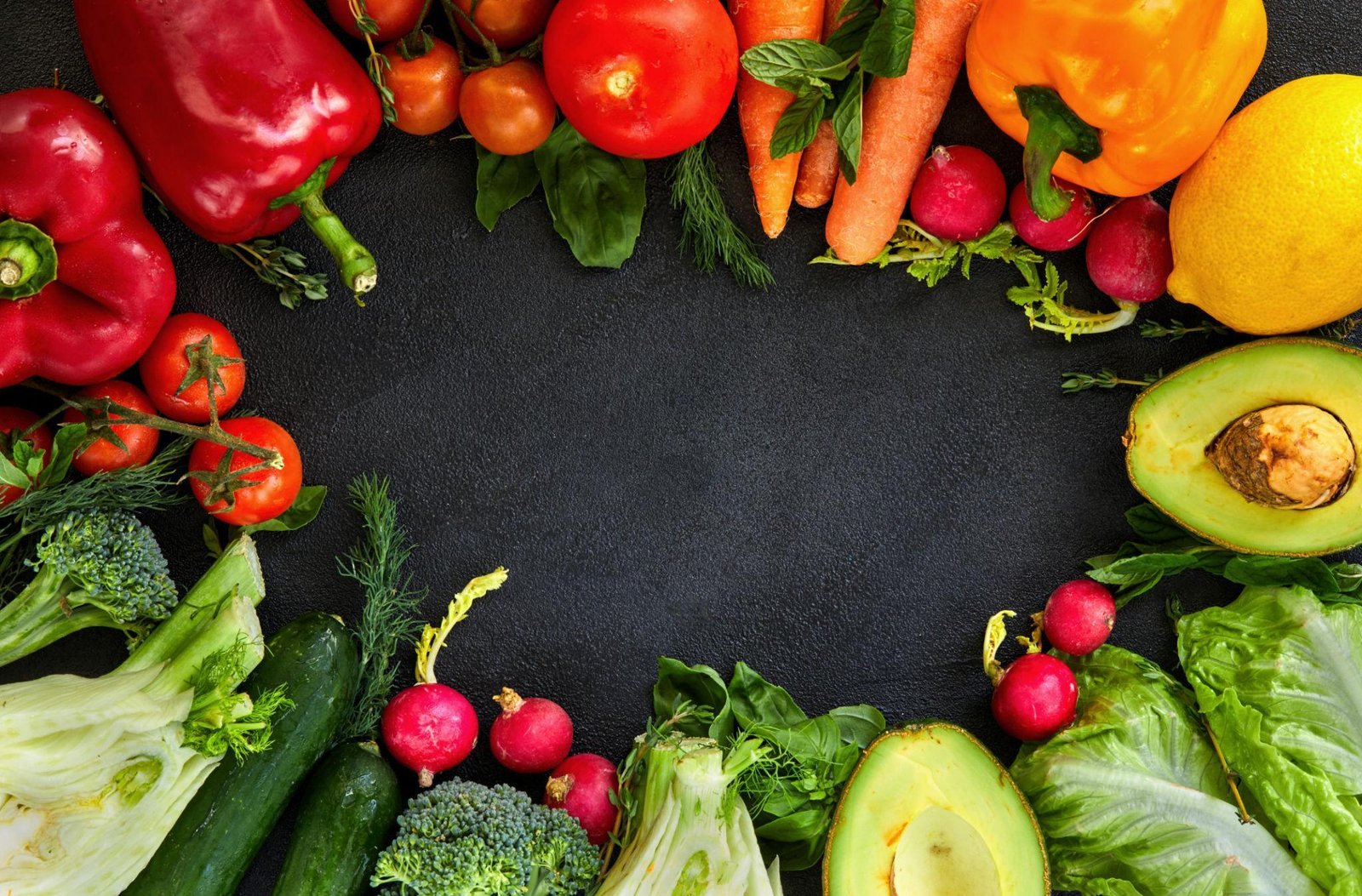
Feeling sluggish? Struggling to focus? You’re not alone. In our fast-paced world of 2026, maintaining energy and optimal health can feel like an uphill battle. But what if the secret to conquering your day lies not in expensive supplements or fad diets, but in the simple, delicious power of everyday foods? This comprehensive guide reveals the best healthy foods for daily life, focusing on nutrient-dense powerhouses that fuel your body, sharpen your mind, and boost your overall well-being. Discover how incorporating these staples into your meals can transform your energy levels, improve your mood, and set you up for success, day after day.
The modern lifestyle often demands peak performance, from early morning meetings to late-night study sessions. Yet, the convenience of processed foods and the sheer busyness of life can leave us feeling depleted. Nutritional science in 2026 continues to underscore a fundamental truth: what we eat directly impacts how we feel and function. The good news is that building a foundation of robust health doesn’t require drastic overhauls. It starts with understanding and embracing the incredible benefits of certain whole foods. We’ll delve deep into why these foods are so crucial, explore their diverse nutritional profiles, and provide practical tips for integrating them seamlessly into your daily routine. Get ready to unlock your body’s potential, one delicious bite at a time.
The Unbeatable Trio: Why These Foods Reign Supreme
Before we dive into the full list, let’s highlight three foundational food groups that are non-negotiable for daily health:
The Mighty Leafy Greens: Your Daily Dose of Vitality
Leafy greens are the undisputed champions of nutrient density. Think spinach, kale, romaine lettuce, Swiss chard, and arugula. These vibrant powerhouses are packed with vitamins, minerals, antioxidants, and fiber, yet are incredibly low in calories. They are the cornerstones of a healthy diet, offering a wide array of benefits from improved digestion to enhanced cognitive function. Their versatility in the kitchen makes them an easy addition to almost any meal.
The Humble Whole Grain: Sustained Energy, All Day Long
Forget refined grains; whole grains are where it’s at for sustained energy. Oats, quinoa, brown rice, barley, and whole wheat bread provide complex carbohydrates that are slowly digested, releasing glucose into your bloodstream gradually. This steady supply of energy prevents the dreaded mid-afternoon slump and keeps your brain sharp. Moreover, whole grains are rich in B vitamins, magnesium, and fiber, contributing to heart health and digestive regularity.
The Versatile Berry: Antioxidant Powerhouses
Berries like blueberries, strawberries, raspberries, and blackberries are bursting with antioxidants, particularly anthocyanins, which give them their brilliant colors. These compounds fight oxidative stress, protecting your cells from damage and potentially reducing the risk of chronic diseases. They are also a great source of Vitamin C and fiber, supporting immune function and gut health. Their natural sweetness makes them a perfect healthy treat or addition to breakfast.
The Top 10 Best Healthy Foods for Daily Life in 2026
Now, let’s expand our horizons and explore the full spectrum of essential foods that should grace your plate daily. These selections are based on extensive nutritional research and their proven impact on long-term health and daily performance.
1. Avocados: The Creamy King of Healthy Fats
Avocados are nutritional superstars, often misunderstood due to their fat content. However, they are primarily packed with monounsaturated fats, which are heart-healthy and help reduce bad cholesterol (LDL) while increasing good cholesterol (HDL). Beyond healthy fats, avocados offer a remarkable array of nutrients:
- Vitamins: Rich in Vitamin K, Vitamin C, Vitamin E, Vitamin B6, and folate.
- Minerals: Excellent source of potassium (more than bananas!), magnesium, and copper.
- Fiber: A good source of dietary fiber, aiding digestion and promoting satiety.
- Antioxidants: Contain lutein and zeaxanthin, beneficial for eye health.
Why they are essential for daily life: The healthy fats in avocados provide sustained energy and help your body absorb fat-soluble vitamins (A, D, E, K) from other foods. Their creamy texture makes them incredibly versatile, perfect for toast, salads, smoothies, or even as a base for dips and spreads. Including half an avocado daily can significantly boost your intake of essential nutrients and keep you feeling full and satisfied.
2. Fatty Fish: Omega-3 Powerhouses for Brain and Heart
Salmon, mackerel, sardines, and herring are top-tier sources of omega-3 fatty acids, specifically EPA and DHA. These essential fats are crucial for brain health, reducing inflammation, and supporting cardiovascular function.
- Omega-3 Fatty Acids: EPA and DHA are vital for cognitive function, mood regulation, and reducing the risk of heart disease.
- High-Quality Protein: Essential for muscle repair, immune function, and overall body maintenance.
- Vitamin D: Fatty fish are one of the few dietary sources of Vitamin D, crucial for bone health and immune support.
- B Vitamins: Provide energy and are important for nerve function.
Why they are essential for daily life: In our screen-heavy world of 2026, maintaining cognitive function is paramount. Omega-3s are like superfood for your brain, potentially improving memory, focus, and even mood. Regular consumption can also lower blood pressure and reduce the risk of heart attacks and strokes. Aim for at least two servings of fatty fish per week. If you don’t eat fish, consider a high-quality omega-3 supplement derived from algae.
3. Berries: Antioxidant Champions for Cellular Health
As mentioned earlier, berries are nutritional gems. Blueberries, in particular, are often hailed as a “superfood” due to their exceptionally high antioxidant content.
- Antioxidants: Rich in anthocyanins, quercetin, and resveratrol, which combat free radicals and protect against cellular damage.
- Vitamin C: A potent antioxidant that supports the immune system and skin health.
- Fiber: Aids digestion, helps regulate blood sugar, and promotes a feeling of fullness.
- Low Glycemic Index: Makes them a good choice for managing blood sugar levels.
Why they are essential for daily life: Berries offer a delicious way to fight inflammation and aging at a cellular level. Their antioxidant power can protect your brain from age-related decline and improve overall health markers. They are perfect for breakfast cereals, yogurt, smoothies, or as a healthy snack.
4. Leafy Greens: The Nutrient-Dense Foundation
Kale, spinach, Swiss chard, and romaine lettuce are nutritional powerhouses that deserve a daily spot on your plate. They are incredibly versatile and can be incorporated into virtually any meal.
- Vitamins: Packed with Vitamin K (crucial for blood clotting and bone health), Vitamin A (vision and immune function), Vitamin C (antioxidant and immune support), and folate (cell growth and repair).
- Minerals: Good sources of iron (oxygen transport), calcium (bone health), magnesium (muscle and nerve function), and potassium (blood pressure regulation).
- Fiber: Supports digestive health and helps maintain stable blood sugar levels.
- Antioxidants: Contain lutein, zeaxanthin, and beta-carotene, which protect against chronic diseases.
Why they are essential for daily life: Leafy greens provide a broad spectrum of micronutrients that are vital for energy production, immune defense, and preventing chronic diseases. Their high fiber content also aids in digestion and keeps you feeling full, which can be instrumental in weight management. Incorporate them into salads, smoothies, soups, omelets, or sauté them as a side dish.
5. Nuts and Seeds: Tiny Packages of Big Nutrition
Almonds, walnuts, chia seeds, flaxseeds, pumpkin seeds, and sunflower seeds are nutritional powerhouses. They offer a fantastic combination of healthy fats, protein, fiber, vitamins, and minerals.
- Healthy Fats: Primarily monounsaturated and polyunsaturated fats, beneficial for heart health.
- Protein: A good plant-based protein source, essential for muscle building and repair.
- Fiber: Supports digestive health and satiety.
- Vitamins and Minerals: Rich in Vitamin E, magnesium, zinc, selenium, and various B vitamins. Walnuts are particularly high in omega-3s (ALA). Chia and flaxseeds are excellent sources of fiber and omega-3s.
Why they are essential for daily life: Nuts and seeds provide sustained energy, promote satiety, and offer crucial micronutrients that support everything from brain function to immune health. They are perfect as a snack, sprinkled on salads or yogurt, or blended into smoothies. Just be mindful of portion sizes, as they are calorie-dense. A small handful (about 1 ounce or 28 grams) is a good daily target.
6. Whole Grains: The Sustained Energy Source
Oats, quinoa, brown rice, barley, and whole wheat are complex carbohydrates that provide sustained energy release, unlike refined grains that cause blood sugar spikes and crashes.
- Complex Carbohydrates: Provide a steady release of glucose, fueling your brain and body for longer periods.
- Fiber: Crucial for digestive health, helps regulate blood sugar, and promotes satiety.
- B Vitamins: Essential for energy metabolism and nervous system function.
- Minerals: Good sources of magnesium, iron, and selenium.
Why they are essential for daily life: Whole grains are the foundation of sustained energy. They prevent energy slumps, improve focus, and contribute to overall health by supporting digestion and reducing the risk of chronic diseases like type 2 diabetes and heart disease. Start your day with oatmeal, opt for brown rice instead of white, and choose whole-grain bread.
7. Legumes: Fiber-Rich Protein Powerhouses
Beans, lentils, chickpeas, and peas are incredibly versatile, affordable, and packed with nutrients. They are a cornerstone of plant-based diets and a fantastic addition for everyone.
- Plant-Based Protein: An excellent source of protein, vital for muscle repair and overall body function.
- Fiber: Exceptionally high in both soluble and insoluble fiber, promoting digestive health, satiety, and blood sugar control.
- Complex Carbohydrates: Provide sustained energy.
- Minerals: Rich in iron, folate, potassium, magnesium, and zinc.
Why they are essential for daily life: Legumes offer a powerful combination of protein and fiber, making them incredibly filling and beneficial for blood sugar management. They are budget-friendly, versatile, and contribute to a healthy gut microbiome. Add them to soups, stews, salads, or make hummus and bean dips.
8. Eggs: The Complete Protein Package
Eggs are one of nature’s most complete and affordable protein sources. They contain all nine essential amino acids, making them highly bioavailable.
- High-Quality Protein: Essential for building and repairing tissues.
- Choline: A vital nutrient for brain health, memory, and mood regulation.
- Vitamins: Excellent source of Vitamin D, B vitamins (especially B12 and folate), and Vitamin A.
- Minerals: Contain selenium, phosphorus, and iron.
- Antioxidants: Lutein and zeaxanthin, beneficial for eye health.
Why they are essential for daily life: Eggs provide sustained energy and satiety, helping to curb cravings. The choline content is particularly important for cognitive function, making them a brain-boosting food. They are incredibly versatile and can be enjoyed at any meal.
9. Greek Yogurt: Probiotic Power and Protein Punch
Plain Greek yogurt is a fermented dairy product that is thicker and higher in protein than regular yogurt, thanks to the straining process.
- Probiotics: Contains live beneficial bacteria that support gut health, aiding digestion and boosting the immune system.
- High Protein: Significantly higher in protein than regular yogurt, promoting satiety and muscle health.
- Calcium: Essential for strong bones and teeth.
- Vitamins: Good source of Vitamin B12 and riboflavin.
Why they are essential for daily life: The probiotics in Greek yogurt are crucial for maintaining a healthy gut microbiome, which is increasingly linked to overall health, including mental well-being. The high protein content helps keep you full, reducing the likelihood of unhealthy snacking. Opt for plain varieties to avoid added sugars and sweeten it yourself with fruit or a touch of honey.
10. Sweet Potatoes: Nutrient-Rich Complex Carbs
Sweet potatoes are vibrant root vegetables packed with vitamins, minerals, and complex carbohydrates.
- Beta-Carotene: The body converts this into Vitamin A, essential for vision, immune function, and skin health.
- Complex Carbohydrates: Provide slow-releasing energy.
- Fiber: Supports digestive health and satiety.
- Vitamins and Minerals: Good source of Vitamin C, B6, potassium, and manganese.
Why they are essential for daily life: Sweet potatoes offer a healthy and delicious way to get sustained energy and a significant boost of Vitamin A. They are versatile and can be baked, roasted, mashed, or added to soups and stews. Their natural sweetness makes them a satisfying alternative to less healthy carb sources.
Beyond the Top 10: Other Essential Daily Foods
While the above list highlights the absolute best, a truly healthy daily diet incorporates a wide variety of nutrient-dense foods. Here are a few more categories to consider:
The Crucial Hydrators: Water and Herbal Teas
- Water: Essential for every bodily function, including temperature regulation, nutrient transport, and waste removal. Aim for at least 8 glasses (64 ounces or about 2 liters) daily, more if you are active or in a hot climate.
- Herbal Teas: Unsweetened herbal teas (like peppermint, chamomile, or ginger) can contribute to hydration and offer specific benefits, such as aiding digestion or promoting relaxation.
The Mighty Mushroom: Immunity and Umami
Mushrooms, like shiitake, maitake, and reishi, are gaining recognition for their immune-boosting properties, thanks to compounds like beta-glucans. They also add a savory depth of flavor to dishes.
The Power of Pulses: Beans, Lentils, and Chickpeas
These legumes are nutritional powerhouses, offering a fantastic combination of plant-based protein, fiber, and essential minerals. They are incredibly affordable and versatile, perfect for adding to soups, salads, and main dishes. Their high fiber content aids digestion and promotes a feeling of fullness, making them excellent for weight management.
Garlic and Onions: Flavorful Health Boosters
These alliums are not just flavor enhancers; they contain potent compounds like allicin (in garlic) that have been linked to numerous health benefits, including immune support and cardiovascular health.
Citrus Fruits: Vitamin C Champions
Oranges, grapefruits, and lemons are not only refreshing but also packed with Vitamin C, a crucial antioxidant that supports the immune system and skin health.
Fermented Foods: Gut Health Allies
Beyond Greek yogurt, consider kimchi, sauerkraut, kefir, and miso. These fermented foods are rich in probiotics, supporting a healthy gut microbiome, which is vital for digestion, immunity, and even mental well-being.
Crafting Your Daily Healthy Eating Plan
Knowing the best foods is one thing; incorporating them consistently is another. Here’s how to make healthy eating a sustainable part of your daily life in 2026:
Meal Prepping: Your Secret Weapon
Dedicate a few hours each week (perhaps Sunday afternoon) to prepare components for your meals. Wash and chop vegetables, cook a batch of quinoa or brown rice, hard-boil eggs, or roast sweet potatoes. This significantly reduces the time and effort needed to assemble healthy meals during busy weekdays.
The Art of the Balanced Plate
Aim for a plate that includes:
- Lean Protein: From sources like fish, eggs, legumes, or Greek yogurt.
- Complex Carbohydrates: Whole grains, sweet potatoes, or starchy vegetables.
- Healthy Fats: Avocado, nuts, seeds, or olive oil.
- Abundant Vegetables & Fruits: Especially leafy greens and berries.
Smart Snacking Strategies
Keep healthy snacks readily available to avoid reaching for processed options when hunger strikes. Good choices include:
- A handful of nuts or seeds
- A piece of fruit (apple, banana, orange)
- Greek yogurt with berries
- Hard-boiled eggs
- Vegetable sticks (carrots, celery, bell peppers) with hummus
Hydration is Key
Carry a reusable water bottle and sip throughout the day. Start your morning with a large glass of water. Herbal teas are also a great way to stay hydrated.
Mindful Eating Practices
Pay attention to your body’s hunger and fullness cues. Eat slowly, savor your food, and avoid distractions like screens during meals. This improves digestion and satisfaction.
Don’t Aim for Perfection, Aim for Progress
It’s okay to have occasional treats or less-than-perfect meals. The goal is consistency over time, not rigid adherence. If you slip up, simply get back on track with your next meal.
A Sample Daily Meal Plan (2026 Edition)
This is just an example, feel free to adapt it based on your preferences and dietary needs.
Breakfast:
- Oatmeal made with water or unsweetened almond milk, topped with a handful of blueberries, a tablespoon of chia seeds, and a sprinkle of chopped almonds.
- Alternatively: Scrambled eggs (2-3) with spinach and a side of whole-wheat toast.
Mid-Morning Snack:
- A small apple with a tablespoon of almond butter OR a small handful of walnuts.
Lunch:
- Large salad with mixed greens (spinach, romaine), grilled chicken breast or chickpeas, cucumber, tomatoes, bell peppers, a sprinkle of pumpkin seeds, and a light vinaigrette dressing made with olive oil and lemon juice.
- Alternatively: Lentil soup with a side of whole-grain bread.
Mid-Afternoon Snack:
- Plain Greek yogurt with a few raspberries OR a hard-boiled egg.
Dinner:
- Baked salmon seasoned with herbs, served with roasted sweet potatoes and steamed broccoli or asparagus.
- Alternatively: Quinoa bowl with black beans, corn, salsa, avocado, and a lime-cilantro dressing.
Evening (Optional):
- Herbal tea (chamomile or peppermint).
The Science Behind the Choices: Why These Foods Work
The effectiveness of these foods isn’t just anecdotal; it’s backed by decades of nutritional science. Let’s break down some key concepts:
Macronutrients: The Building Blocks
- Proteins: Essential for building and repairing tissues, making enzymes and hormones, and supporting immune function. Sources like eggs, Greek yogurt, legumes, and fatty fish provide high-quality protein.
- Carbohydrates: The body’s primary energy source. Complex carbohydrates found in whole grains, legumes, and sweet potatoes are preferred over simple carbohydrates (sugars, refined grains) because they provide sustained energy and fiber.
- Fats: Crucial for hormone production, nutrient absorption, and cell function. Unsaturated fats (monounsaturated and polyunsaturated), found in avocados, nuts, seeds, and fatty fish, are beneficial. Saturated and trans fats should be limited.
Micronutrients: The Essential Helpers
- Vitamins: Organic compounds needed in small amounts for various metabolic processes. Examples include Vitamin C for immunity, B vitamins for energy, and Vitamin K for blood clotting.
- Minerals: Inorganic elements vital for bodily functions. Examples include calcium for bones, iron for oxygen transport, and magnesium for muscle function.
Phytonutrients and Antioxidants: The Protective Army
- Phytonutrients: Plant compounds that offer health benefits, often acting as antioxidants. Examples include anthocyanins in berries and lycopene in tomatoes.
- Antioxidants: Molecules that fight free radicals, unstable atoms that can damage cells and contribute to aging and disease. Vitamins C and E, selenium, and various phytonutrients act as antioxidants.
Fiber: The Digestive and Metabolic Maestro
Dietary fiber, abundant in whole grains, legumes, fruits, and vegetables, is crucial for:
- Digestive Health: Promotes regular bowel movements and prevents constipation.
- Blood Sugar Control: Slows the absorption of sugar, preventing spikes and crashes.
- Satiety: Helps you feel full, aiding in weight management.
- Gut Microbiome: Feeds beneficial gut bacteria.
Probiotics and Prebiotics: The Gut Connection
- Probiotics: Live beneficial bacteria found in fermented foods like Greek yogurt and kimchi.
- Prebiotics: Non-digestible fibers that feed beneficial gut bacteria, found in foods like onions, garlic, and whole grains. A healthy gut microbiome is linked to improved digestion, immunity, and even mental health.
Case Study: Sarah’s Transformation with Daily Healthy Foods
Sarah, a 35-year-old marketing manager, was constantly battling fatigue and mid-afternoon energy crashes. Her diet consisted mainly of convenience foods, processed snacks, and sugary drinks. After reading about the impact of nutrition on daily performance, she decided to make a change in early 2026.
Before:
- Breakfast: Sugary cereal or a pastry.
- Lunch: Fast food or a pre-packaged sandwich.
- Snacks: Chips, cookies, energy drinks.
- Dinner: Often takeout or a quick, processed meal.
- Energy Levels: Low throughout the day, especially after lunch. Difficulty concentrating. Frequent headaches.
Sarah’s Strategy:
Sarah committed to incorporating at least 3-4 of the “best healthy foods” into her daily meals and snacks. She started small:
- Breakfast Upgrade: Swapped cereal for oatmeal with berries and nuts.
- Lunch Revamp: Began packing salads with leafy greens, grilled chicken, and avocado, or bringing leftovers like lentil soup.
- Snack Smart: Replaced chips with a handful of almonds or Greek yogurt.
- Dinner Focus: Prioritized lean protein (like salmon or chicken) with plenty of vegetables and a side of quinoa or sweet potato.
- Hydration: Carried a water bottle and aimed for 8 glasses daily.
The Results (After 3 Months):
- Energy Levels: Significantly improved. No more post-lunch slump. Sustained energy throughout the workday.
- Mental Clarity: Improved focus and concentration. Fewer headaches.
- Mood: Felt more positive and less irritable.
- Digestion: Improved regularity and reduced bloating.
- Weight Management: Naturally lost a few pounds due to increased satiety and better food choices.
Sarah’s story highlights how consistent, small changes focusing on nutrient-dense, whole foods can lead to dramatic improvements in daily well-being and performance.
Frequently Asked Questions (FAQs)
What are the most important nutrients for daily energy?
The most important nutrients for sustained daily energy are complex carbohydrates, healthy fats, and protein. Complex carbohydrates, found in whole grains, legumes, and vegetables, provide a steady release of glucose. Healthy fats from sources like avocados, nuts, seeds, and fatty fish offer long-lasting energy and support brain function. High-quality proteins from eggs, Greek yogurt, fish, and legumes are crucial for muscle repair and satiety, preventing energy crashes. Additionally, B vitamins play a critical role in energy metabolism.
Can I get all my necessary nutrients from just these 10 foods?
While these 10 foods are incredibly nutrient-dense and form an excellent foundation, relying solely on them might lead to deficiencies in certain micronutrients or phytonutrients. A truly balanced diet involves variety. Incorporating a wide range of colorful fruits, vegetables, whole grains, lean proteins, and healthy fats ensures you get a broad spectrum of vitamins, minerals, antioxidants, and fiber. Think of these 10 as your daily power players, but don’t shy away from exploring other healthy options!
How much of each food should I aim to eat daily?
Portion sizes vary based on individual caloric needs, activity levels, and dietary goals. However, general guidelines include:
- Leafy Greens: Aim for at least 1-2 cups daily, raw or cooked.
- Berries: About 1/2 to 1 cup daily.
- Avocado: 1/4 to 1/2 an avocado daily.
- Nuts/Seeds: A small handful (about 1 ounce or 28 grams) daily.
- Whole Grains: 1/2 cup cooked (e.g., quinoa, brown rice) or 1 slice of whole-grain bread.
- Legumes: 1/2 cup cooked daily.
- Fatty Fish: Aim for 2 servings (about 3-4 ounces each) per week.
- Eggs: 1-2 eggs daily.
- Greek Yogurt: 1 cup (about 200g) daily.
- Sweet Potatoes: 1/2 to 1 medium sweet potato.
Remember to listen to your body’s hunger and fullness cues.
What are the best healthy foods for boosting brain power?
For enhanced brain power, focus on foods rich in omega-3 fatty acids, antioxidants, and choline. Fatty fish (salmon, mackerel, sardines) are excellent sources of omega-3s (EPA & DHA). Berries (especially blueberries) are packed with antioxidants that protect brain cells. Nuts and seeds, particularly walnuts and flaxseeds, provide omega-3s (ALA) and Vitamin E. Eggs are a great source of choline, vital for memory and neurotransmitter function. Leafy greens offer vitamins and antioxidants that support cognitive health.
Is it okay to eat the same healthy foods every day?
While consistency is good, variety is the spice of life and essential for optimal nutrition. Eating the exact same foods every single day can lead to a lack of certain nutrients that might be present in other healthy foods. It can also make healthy eating feel monotonous and harder to sustain long-term. Aim to rotate your choices within categories. For instance, vary your leafy greens (spinach one day, kale the next), try different types of berries, or swap between almonds and walnuts. This ensures a broader nutrient intake and keeps your meals interesting.
How can I incorporate more healthy fats into my diet without overeating?
Healthy fats are essential, but calorie-dense. The key is mindful portion control. Add 1/4 to 1/2 an avocado to your salad or toast. Sprinkle a small handful (about 1 ounce) of nuts or seeds onto your yogurt or oatmeal. Use olive oil-based dressings for salads, measuring about 1-2 tablespoons. Choose fatty fish like salmon or mackerel for 1-2 meals per week. Listen to your body’s fullness signals; healthy fats are very satiating, which can help prevent overeating overall.
Conclusion: Your Daily Health Journey Starts Now
The path to a healthier, more energetic you in 2026 doesn’t require drastic measures. It begins with simple, informed choices about the foods you consume daily. By prioritizing nutrient-dense powerhouses like avocados, fatty fish, berries, leafy greens, nuts, seeds, whole grains, legumes, eggs, Greek yogurt, and sweet potatoes, you provide your body with the essential fuel it needs to thrive. These foods don’t just fill you up; they nourish you from the inside out, supporting everything from cognitive function and immune health to sustained energy levels and emotional well-being.
Remember that consistency is more important than perfection. Meal prepping, smart snacking, mindful eating, and staying hydrated are practical strategies to make these healthy habits stick. Embrace the delicious diversity of whole foods, experiment with recipes, and listen to your body. Your daily journey towards optimal health and vitality is within reach, one nutritious meal at a time. Start today, and discover the incredible difference the best healthy foods for daily life can make.
Read: The Ultimate 2026 Natural Glowing Skin Routine