Healthy Fitness Habits: 10 Essential Tips for Beginners 2026
Starting a fitness journey can feel overwhelming, especially when you’re new to it. But what if I told you that building a healthier, more…


Starting a fitness journey can feel overwhelming, especially when you’re new to it. But what if I told you that building a healthier, more active lifestyle is achievable with just a few simple, consistent habits? In 2026, embracing fitness doesn’t require drastic overhauls or extreme measures. It’s about making smart, sustainable choices that fit into your life. Did you know that only about 24% of adults meet the recommended physical activity guidelines? This means millions are missing out on the incredible benefits of regular exercise. This guide is designed to help you become part of the healthier majority by introducing the most effective and beginner-friendly fitness habits.
We’ll explore how to seamlessly integrate movement into your day, nourish your body for optimal performance, and build a mental resilience that supports your long-term goals. Forget the intimidation factor; these habits are practical, adaptable, and focus on progress, not perfection. Let’s dive into how you can transform your well-being, one healthy habit at a time.
Why Healthy Fitness Habits Matter for Beginners
Before we jump into the habits themselves, let’s briefly touch upon why focusing on habits is so crucial, especially for beginners. Habits are the building blocks of lasting change. Instead of relying on fleeting motivation, habits automate positive behaviors. For someone just starting out, this means:
- Consistency: Habits ensure you show up, even on days you don’t feel like it.
- Reduced Decision Fatigue: Once a habit is formed, you don’t have to think hard about doing it.
- Gradual Progress: Small, consistent actions lead to significant results over time without burnout.
- Holistic Well-being: Fitness isn’t just about workouts; it’s about sleep, nutrition, and mental health, all interconnected.
Think of it like learning to drive. Initially, it requires intense concentration. But with practice, driving becomes second nature. Fitness habits work the same way.
The Core Pillars of Healthy Fitness Habits
We can break down healthy fitness habits into a few key areas. Focusing on these pillars will give you a well-rounded approach to your fitness journey.
Pillar 1: Movement and Exercise
This is the most obvious pillar, but it’s not just about hitting the gym. It’s about incorporating any form of physical activity that gets your body moving.
Pillar 2: Nutrition and Hydration
What you eat and drink directly impacts your energy levels, recovery, and overall health. Fueling your body correctly is non-negotiable for fitness success.
Pillar 3: Recovery and Sleep
Your body repairs and strengthens itself during rest. Neglecting recovery is like trying to build a house without letting the foundation set.
Pillar 4: Mindset and Consistency
The mental aspect of fitness is often overlooked. A positive mindset and a commitment to consistency are what keep you going when things get tough.
Now, let’s explore the specific habits that fall under these pillars.
1. Start Small and Be Realistic: The Foundation Habit
This is arguably the most important habit for any beginner. Trying to do too much too soon is a fast track to burnout and disappointment.
H3: Setting Achievable Goals
Instead of aiming to run a marathon next month, set a goal like “walk for 20 minutes, three times this week.” Celebrate these small wins! They build momentum and confidence.
H3: Gradual Progression
- Increase Duration: If you start with 15-minute walks, gradually increase to 20, then 25 minutes.
- Increase Frequency: Add an extra workout day per week after a few weeks of consistency.
- Increase Intensity: Once you’re comfortable, you can introduce slightly faster paces or more challenging exercises.
Remember, consistency trumps intensity when you’re starting out.
2. Schedule Your Workouts Like Important Appointments
If it’s not in the calendar, it’s less likely to happen. Treat your fitness sessions with the same importance as a doctor’s appointment or a work meeting.
H3: Find Your Best Time
Are you a morning person who feels energized after a sunrise jog? Or do you prefer to de-stress with an evening yoga session? Experiment to find what works best for your schedule and energy levels.
H3: Block Out Time
Physically block out time in your planner or digital calendar. This visual reminder makes your commitment tangible.
H3: Be Flexible, But Don’t Skip
Life happens! If you miss a scheduled workout, don’t beat yourself up. Simply reschedule it or adjust your plan for the rest of the week. The goal is to get back on track quickly.
3. Embrace Variety: Keep Your Body and Mind Engaged
Doing the same routine every single day can lead to boredom and plateaus. Variety keeps things interesting and challenges your body in different ways.
H3: Explore Different Activities
Try different forms of exercise:
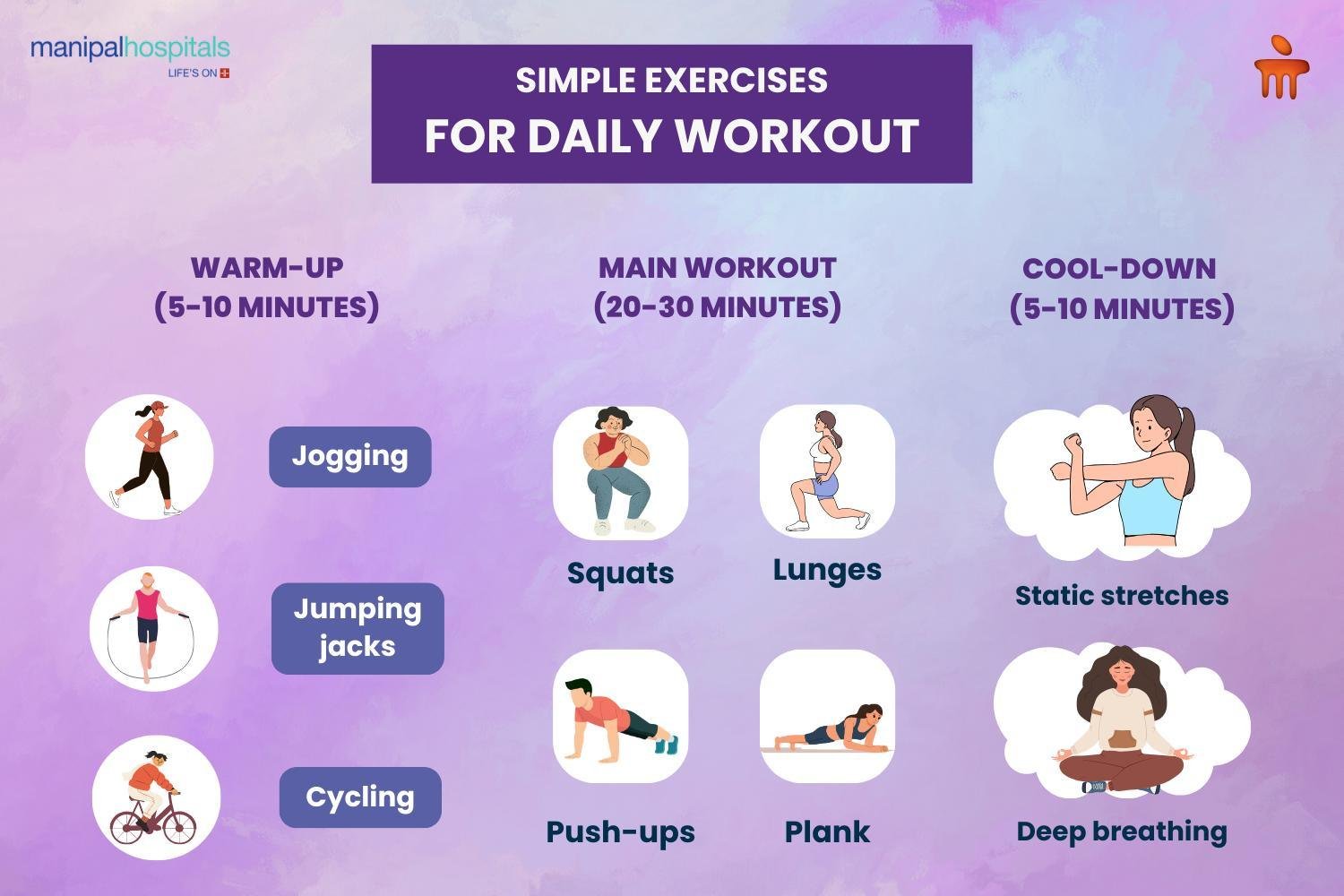
- Cardio: Walking, jogging, cycling, swimming, dancing.
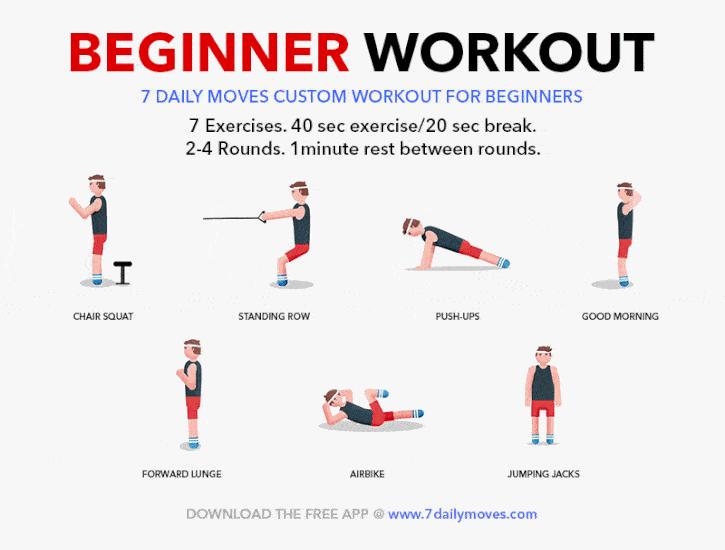
- Strength Training: Bodyweight exercises (squats, push-ups, lunges), resistance bands, light weights.
- Flexibility & Balance: Yoga, Pilates, stretching.
H3: Mix Up Your Routine
Even within one activity, change your route, try a new class, or follow a different online workout video. This prevents your body from adapting too much to one specific stimulus.
4. Prioritize Proper Form Over Speed or Weight
This habit is crucial for injury prevention. Lifting too heavy or performing exercises with incorrect form can lead to strains, sprains, and long-term issues.
H3: Learn the Basics
- Watch reputable online tutorials.
- Consider a session or two with a qualified personal trainer.
- Use mirrors to check your alignment.
- Start with lighter weights or just your bodyweight.
H3: Listen to Your Body
Pay attention to any sharp or unusual pain. Modify or stop the exercise if you feel discomfort. Soreness is normal, pain is not.
5. Hydrate, Hydrate, Hydrate!
Water is essential for everything your body does, especially during physical activity. Dehydration can lead to fatigue, headaches, and decreased performance.
H3: How Much Water?
A general guideline is about eight 8-ounce glasses (around 2 liters) per day. However, you’ll likely need more on days you exercise. Listen to your thirst signals.
H3: Tips for Staying Hydrated
- Carry a reusable water bottle with you throughout the day.
- Drink a glass of water first thing in the morning.
- Sip water before, during, and after your workouts.
- Infuse water with fruit (lemon, cucumber, berries) for flavor if plain water is a struggle.
6. Fuel Your Body Wisely: Nutrition Basics
Fitness and nutrition go hand-in-hand. You can’t out-train a bad diet. Focus on whole, unprocessed foods.
H3: Balanced Macronutrients
Ensure your meals include:
- Protein: For muscle repair and growth (lean meats, fish, beans, lentils, tofu).
- Carbohydrates: For energy (whole grains, fruits, vegetables). Opt for complex carbs.
- Healthy Fats: For hormone production and nutrient absorption (avocado, nuts, seeds, olive oil).
H3: Pre- and Post-Workout Nutrition
- Pre-Workout: A small, easily digestible snack containing carbohydrates about 30-60 minutes before exercise can provide energy (e.g., a banana, a small handful of almonds).
- Post-Workout: Consume a meal or snack with protein and carbohydrates within an hour or two after exercise to aid recovery (e.g., Greek yogurt with berries, chicken breast with sweet potato).
7. Make Sleep a Priority: The Ultimate Recovery Tool
Sleep is when your body undergoes crucial repair processes. Without adequate sleep, your fitness progress will stall, and your risk of injury increases.
H3: Aim for 7-9 Hours
Most adults need between 7 and 9 hours of quality sleep per night.
H3: Improve Sleep Hygiene
- Consistent Sleep Schedule: Go to bed and wake up around the same time each day, even on weekends.
- Create a Relaxing Bedtime Routine: Read a book, take a warm bath, practice gentle stretching.
- Optimize Your Sleep Environment: Keep your bedroom dark, quiet, and cool.
- Limit Screen Time Before Bed: The blue light emitted from devices can interfere with melatonin production.
8. Incorporate Active Recovery and Rest Days
Rest isn’t laziness; it’s a vital part of training. Active recovery involves light activities that promote blood flow and reduce muscle soreness.
H3: What is Active Recovery?
Examples include:
- Gentle walking
- Light cycling
- Stretching or foam rolling
- Yoga
H3: The Importance of Complete Rest Days
Your muscles need time to repair and rebuild. Schedule at least 1-2 complete rest days per week, especially when starting. Listen to your body – if you feel excessively fatigued, take an extra rest day.
9. Listen to Your Body: The Internal Compass
This habit ties into several others, particularly form and rest. Your body sends signals – learn to interpret them.
H3: Differentiate Soreness from Pain
- Soreness: A general ache or tenderness in the muscles, usually appearing 12-48 hours after a workout and subsiding within a few days.
- Pain: Sharp, stabbing, or persistent pain that might indicate an injury.
H3: Adjust as Needed
If you feel pain, stop the activity. If you feel excessive fatigue, consider a rest day or a lighter workout. Pushing through pain is counterproductive.
10. Find a Support System or Accountability Partner
Sharing your journey can make it more enjoyable and sustainable. Accountability partners help you stay on track.
H3: Workout Buddy
Find a friend, family member, or colleague who also wants to get fit. Schedule workouts together.
H3: Online Communities
Join online fitness groups or forums. Sharing progress and challenges with others on a similar path can be incredibly motivating.
H3: Professional Guidance
Consider a coach or trainer who can provide structured support and accountability.
Practical Tips for Beginners
Let’s translate these habits into actionable steps you can take today.
Tip 1: Start with Walking
Walking is accessible, low-impact, and incredibly effective. Aim for a brisk 20-30 minute walk most days of the week. You can do this outdoors, indoors on a treadmill, or even follow along with walking workout videos online.
Tip 2: Bodyweight Basics
You don’t need a gym membership to build strength. Master fundamental bodyweight exercises like:
- Squats
- Lunges
- Push-ups (start on your knees if needed)
- Plank
- Glute bridges
Perform 2-3 sets of 10-15 repetitions for each exercise, 2-3 times per week.
Tip 3: Meal Prep Simplicity
Dedicate a couple of hours on the weekend to prepare some basic components for your meals. Cook a batch of chicken breast, roast some vegetables, or chop fruits and veggies for snacks. This makes healthy eating much easier during busy weekdays.
Tip 4: Hydration Station
Set up a “hydration station” at your desk or in your kitchen with your water bottle and perhaps a glass. Make it a visual cue to drink more water throughout the day.
Tip 5: Track Your Progress (Simply)
Keep a basic log. Note down your workouts (duration, type, how you felt), your water intake, and your sleep duration. Seeing your progress visually can be a huge motivator. Use a simple notebook or a notes app on your phone.
Case Study: Sarah’s Transformation
Sarah, a 30-year-old office worker, felt sluggish and unhealthy. She decided to implement these beginner fitness habits in 2026.
- Week 1: Sarah committed to walking 20 minutes, 3 times a week. She also made sure to drink at least 6 glasses of water daily and aimed for 7 hours of sleep. She felt a little sore but energized.
- Month 1: Sarah added a second 20-minute walk on two days and incorporated basic bodyweight exercises (squats, lunges, plank) twice a week after her walks. She started prepping lunches on Sundays. She noticed her energy levels improving significantly.
- Month 3: Sarah was consistently walking 30 minutes 5 times a week and doing her bodyweight circuit 3 times a week. She felt stronger, slept better, and had lost a few pounds without feeling deprived. She felt more confident and motivated than ever.
- Month 6: Sarah decided to try a beginner yoga class once a week and increased her bodyweight routine slightly. She felt a profound difference in her overall well-being – physically and mentally. She wasn’t just exercising; she had built a sustainable, healthy lifestyle.
Sarah’s story highlights how small, consistent habits, applied over time, lead to remarkable transformations.
Overcoming Common Beginner Hurdles
It’s natural to face challenges. Here’s how to navigate them:
H3: Lack of Motivation
- Solution: Rely on your habits and schedule, not just motivation. Remind yourself why you started. Find activities you genuinely enjoy.
H3: Feeling Intimidated
- Solution: Start at home or in quiet environments. Focus on your progress, not others. Remember everyone starts somewhere.
H3: Not Seeing Results Quickly Enough
- Solution: Trust the process. Fitness is a marathon, not a sprint. Focus on non-scale victories: more energy, better sleep, clothes fitting better, feeling stronger.
H3: Busy Schedule
- Solution: Prioritize and schedule. Even 15-20 minutes of activity is beneficial. Combine activities (e.g., walk during your lunch break).
The Long-Term Benefits of Healthy Fitness Habits
Sticking with these habits offers far more than just physical changes. You can expect:
- Improved Cardiovascular Health: Lower risk of heart disease and stroke.
- Weight Management: Easier to maintain a healthy weight.
- Increased Strength and Endurance: Everyday tasks become easier.
- Better Mood and Reduced Stress: Exercise releases endorphins, natural mood lifters.
- Enhanced Cognitive Function: Improved focus, memory, and learning.
- Stronger Bones and Muscles: Reduced risk of osteoporosis and falls, especially as you age.
- Increased Longevity: Studies consistently show active individuals live longer, healthier lives.
- Boosted Confidence: Achieving fitness goals builds self-esteem.
Conclusion: Your Journey Starts Now
Embarking on a fitness journey in 2026 is more accessible than ever. By focusing on building and maintaining healthy fitness habits, you create a sustainable path towards a stronger, healthier, and happier you. Remember that consistency, patience, and self-compassion are your greatest allies. Start small, celebrate your progress, listen to your body, and enjoy the incredible benefits that come with prioritizing your well-being. Your future self will thank you for the effort you put in today.
Frequently Asked Questions (FAQs)
What are the most important fitness habits for a complete beginner?
The most crucial habits for beginners are starting small and being realistic, scheduling workouts, prioritizing proper form, staying hydrated, and listening to your body. These habits lay a solid foundation for consistent progress and injury prevention.
How often should a beginner exercise?
For beginners, aiming for 3-4 days of moderate exercise per week is a great starting point. This could be activities like brisk walking, cycling, or beginner strength training sessions. Allow for rest days in between to let your body recover.
Is it okay to feel sore after a workout?
Yes, some muscle soreness (often called DOMS – Delayed Onset Muscle Soreness) is normal, especially when you’re new to exercise or trying new movements. It typically appears 12-48 hours after a workout. However, sharp or persistent pain is not normal and indicates you should stop and potentially seek advice.
How important is nutrition for beginner fitness?
Nutrition is extremely important. What you eat provides the energy for your workouts and the building blocks for recovery and muscle repair. Focusing on whole, unprocessed foods, adequate protein, and staying hydrated will significantly enhance your fitness results and overall well-being.
Do I need special equipment to start a fitness routine?
No, you don’t need special equipment to begin. Many effective exercises can be done using just your body weight. Walking is a fantastic, equipment-free cardio option. As you progress, you might consider investing in things like resistance bands or light dumbbells, but they are not necessary for starting out.
How long does it take to see results from new fitness habits?
Visible results vary greatly depending on the individual, the habits implemented, and consistency. However, you’ll likely start feeling the benefits – like increased energy and improved mood – within a few weeks. More noticeable physical changes, such as strength gains or weight management, typically become apparent within 1-3 months of consistent effort. Remember, the focus should be on building sustainable habits for long-term health.
Read: How to increase immunity naturally with simple tips