Unlock Your Body’s Immunity: 7 Powerful Herbal Drink Boosts
Feeling a bit run down? In our fast-paced world of 2026, maintaining a robust immune system is paramount, and nature offers a treasure trove of solutions. This comprehensive guide delves deep into the world of herbal drinks for immunity, revealing how simple, delicious beverages can significantly bolster your body’s natural defenses. Forget the fleeting fixes; we’re exploring time-tested botanical allies that empower your immune cells, reduce inflammation, and promote overall well-being. Discover the secrets of ancient traditions and modern science, all brewed into potent, natural elixirs.
The human immune system is an intricate network, constantly working to protect us from a barrage of pathogens, from common colds to more serious threats. While a healthy lifestyle—balanced diet, regular exercise, adequate sleep, and stress management—forms the bedrock of strong immunity, herbal drinks for immunity can provide a powerful, targeted boost. These beverages leverage the synergistic properties of plants, offering a concentrated dose of antioxidants, anti-inflammatory compounds, antivirals, and antibacterials that directly support immune function. This article will equip you with the knowledge to choose, prepare, and incorporate these potent brews into your daily routine, transforming your health from the inside out.
The Science Behind Herbal Drinks for Immunity: How Botanicals Empower Your Defenses
It’s not just folklore; there’s a growing body of scientific evidence supporting the immune-boosting capabilities of many herbs. These plants are packed with phytochemicals—natural compounds that interact with our biological systems in beneficial ways. When we consume them in the form of teas, infusions, or decoctions, we’re delivering these potent compounds directly to our bloodstream, where they can get to work.
Antioxidant Powerhouses: Many herbs are rich in antioxidants, such as flavonoids, polyphenols, and vitamins. These compounds combat oxidative stress, a process where unstable molecules called free radicals damage cells. Chronic oxidative stress can weaken the immune system, making us more susceptible to illness. Antioxidants neutralize these free radicals, protecting immune cells and promoting their efficient function. Think of them as tiny bodyguards for your cells, preventing damage before it starts.
Anti-inflammatory Action: Inflammation is a natural immune response, but chronic inflammation can be detrimental, impairing immune function and contributing to various diseases. Certain herbs possess potent anti-inflammatory properties that help to modulate the immune response, ensuring it acts effectively without becoming overactive or lingering unnecessarily. This balance is crucial for optimal immune health.
Antimicrobial Properties: Some herbs have demonstrated direct antimicrobial effects, meaning they can help the body fight off bacteria, viruses, and fungi. These properties can be particularly valuable during cold and flu seasons, offering a natural way to support the body’s defense mechanisms against common pathogens.
Immune Modulation: Beyond simply boosting or fighting, some herbs can help modulate the immune system. This means they can help regulate immune responses, ensuring they are neither too weak nor too strong. This is particularly important for individuals with autoimmune conditions or those experiencing overactive immune responses.
Understanding these mechanisms reveals why incorporating herbal drinks for immunity is a scientifically sound approach to enhancing your body’s natural defenses. It’s about working with nature’s intelligence to support your own biological intelligence.
Top Herbal Drinks for Immunity: Your Ultimate Brew-tiful Arsenal
The world of herbs is vast, but a select few stand out for their exceptional immune-supportive qualities. Let’s explore the stars of the show, the herbs you’ll want to have on hand for your daily immune-boosting ritual.
1. Echinacea: The Classic Immune Stimulator
Echinacea, often called the “coneflower,” is perhaps the most well-known herb for immune support. Its roots and aerial parts have been used by Native Americans for centuries to treat infections and wounds. Modern research has focused on its ability to stimulate the immune system, particularly by increasing the number of white blood cells, which are crucial for fighting off pathogens.
- Key Compounds: Echinacea contains polysaccharides, alkylamides, and glycoproteins, which are believed to be responsible for its immune-enhancing effects.
- How it Works: Echinacea appears to activate key immune cells like macrophages and natural killer cells. It may also help reduce the duration and severity of common cold symptoms.
- Preparation: Typically consumed as a tea, tincture, or capsule. For tea, steep 1-2 teaspoons of dried echinacea root or herb in hot water for 10-15 minutes.
- Taste Profile: Earthy and slightly bitter. Often blended with other herbs or a touch of honey to improve palatability.
2. Elderberry: A Potent Antiviral Ally
Elderberries (Sambucus nigra) have a long history of use in traditional medicine, particularly for respiratory ailments. Modern studies have shown that elderberry extract can inhibit the replication of certain viruses, including influenza strains, and may help reduce the duration of flu symptoms. It’s also a good source of vitamin C and antioxidants.
- Key Compounds: Rich in anthocyanins (giving them their dark purple color), flavonoids, and vitamin C.
- How it Works: Elderberry compounds appear to block viral entry into cells and also possess anti-inflammatory properties that can help alleviate symptoms like fever and aches.
- Preparation: Best consumed as a syrup, tincture, or tea made from dried elderberries or flowers. Caution: Raw elderberries and other parts of the plant can be toxic; always use cooked or dried berries.
- Taste Profile: Tart and slightly sweet, with a deep berry flavor. Elderberry syrup is often sweetened with honey or maple syrup.
3. Ginger: The Warming Anti-inflammatory Warrior
Ginger (Zingiber officinale) is a ubiquitous spice known for its pungent flavor and warming properties. It’s a powerhouse of gingerols and shogaols, compounds with potent anti-inflammatory and antioxidant effects. Ginger is excellent for soothing sore throats, reducing nausea, and promoting overall immune function.
- Key Compounds: Gingerol, shogaol, zingerone.
- How it Works: Ginger helps to reduce inflammation throughout the body, boost antioxidant capacity, and has mild antimicrobial properties. It’s also excellent for improving circulation.
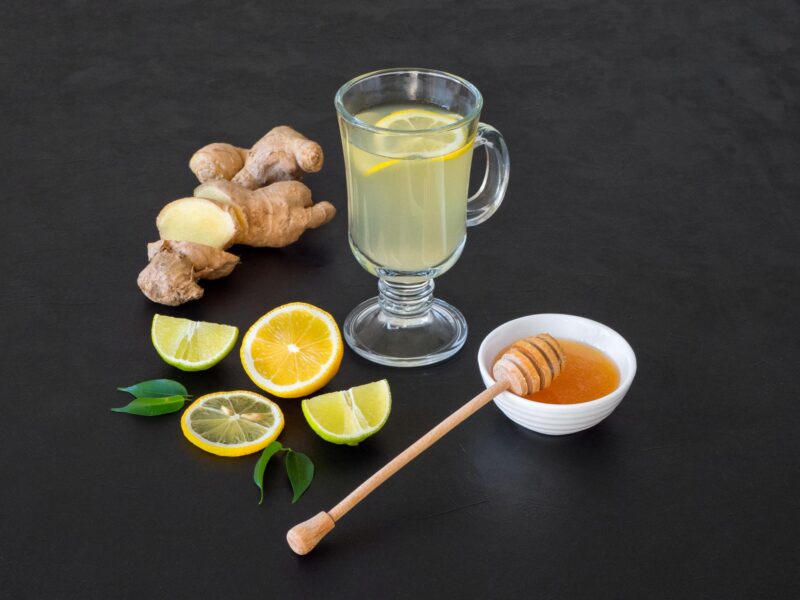
- Preparation: Fresh ginger can be steeped in hot water for a delicious and potent tea. Simply slice or grate fresh ginger root and pour boiling water over it. Add lemon and honey for extra benefits and flavor.
- Taste Profile: Spicy, pungent, and warming. It can be quite potent, so adjust the amount of ginger to your preference.
4. Turmeric: The Golden Anti-inflammatory Superstar
Turmeric (Curcuma longa) is a vibrant golden spice celebrated for its potent anti-inflammatory compound, curcumin. Curcumin has been extensively studied for its ability to modulate the immune system and fight inflammation at a molecular level. It’s also a powerful antioxidant.
- Key Compounds: Curcuminoids, primarily curcumin.
- How it Works: Curcumin inhibits inflammatory pathways and boosts antioxidant enzymes in the body. Its bioavailability is significantly increased when consumed with black pepper (piperine).
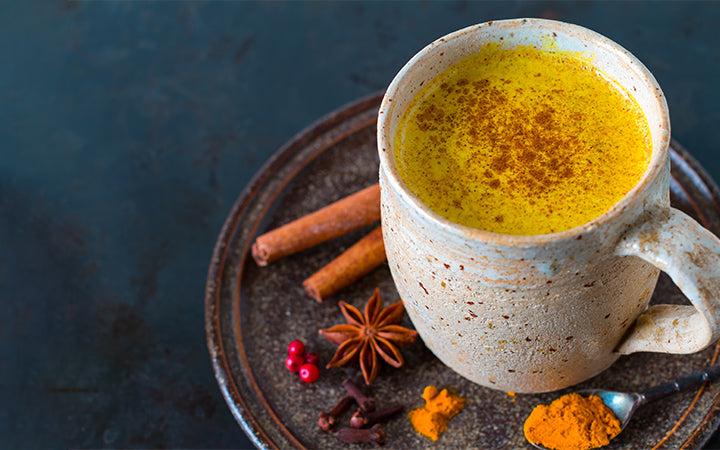
- Preparation: Often prepared as “Golden Milk,” a warm beverage made with turmeric, milk (dairy or non-dairy), ginger, cinnamon, and a pinch of black pepper. Turmeric tea is also a great option.
- Taste Profile: Earthy, slightly bitter, and peppery. Golden Milk is usually sweetened and spiced to create a comforting, aromatic drink.
5. Garlic: Nature’s Potent Pathogen Fighter
Garlic (Allium sativum) is renowned for its immune-boosting and disease-fighting properties, largely attributed to its sulfur compounds, particularly allicin. Allicin is released when garlic is crushed or chopped and has demonstrated significant antibacterial, antiviral, and antifungal effects.
- Key Compounds: Allicin, ajoene, and other organosulfur compounds.
- How it Works: Garlic stimulates the activity of certain immune cells, such as macrophages and lymphocytes, and has direct antimicrobial effects. It can also help reduce the severity of cold and flu symptoms.
- Preparation: While not typically brewed into a sweet tea, garlic can be added to warm broths or infused in warm water with other herbs. For maximum benefit, consume raw or lightly cooked.
- Taste Profile: Pungent, sharp, and savory.
6. Astragalus: The Adaptogenic Immune Tonic
Astragalus (Astragalus membranaceus) is a cornerstone of Traditional Chinese Medicine (TCM), revered as an adaptogen—a substance that helps the body adapt to stress and strengthens its natural defenses. It’s particularly known for its ability to boost immune cell activity and potentially increase energy levels.
- Key Compounds: Polysaccharides, saponins, flavonoids.
- How it Works: Astragalus helps to stimulate the production and activity of various immune cells, including T-cells and macrophages. It’s considered a Qi tonic in TCM, promoting overall vitality.
- Preparation: Commonly prepared as a decoction (simmered) or added to soups and stews. For tea, simmer dried astragalus root in water for 20-30 minutes.
- Taste Profile: Mildly sweet and earthy.
7. Licorice Root: Soothing and Immune-Supportive
Licorice root (Glycyrrhiza glabra) has a long history of use for respiratory and digestive issues. Its active compound, glycyrrhizin, possesses antiviral, anti-inflammatory, and immunomodulatory properties. It’s particularly soothing for sore throats and coughs.
- Key Compounds: Glycyrrhizin, flavonoids.
- How it Works: Licorice root can help soothe mucous membranes, reduce inflammation, and support immune responses. It may also have antiviral effects against certain viruses.
- Preparation: Brewed as a tea. Note: Excessive consumption of licorice root can lead to side effects like increased blood pressure. Consult with a healthcare professional if you have pre-existing conditions.
- Taste Profile: Sweet, distinct, and slightly bitter.
8. Cinnamon: Warming Spice with Antioxidant Benefits
Cinnamon (Cinnamomum spp.) is more than just a delicious spice; it’s packed with antioxidants and boasts anti-inflammatory and antimicrobial properties. It can help regulate blood sugar levels and contributes to a healthy immune system.
- Key Compounds: Cinnamaldehyde, polyphenols.
- How it Works: Cinnamon’s antioxidants help protect the body from oxidative stress, while its anti-inflammatory properties can support overall immune health.
- Preparation: Add cinnamon sticks or powder to teas, Golden Milk, or steep directly in hot water.
- Taste Profile: Warm, sweet, and aromatic.
9. Holy Basil (Tulsi): The Adaptogenic Queen of Herbs
Holy Basil, or Tulsi (Ocimum sanctum), is a revered herb in Ayurvedic medicine, considered a potent adaptogen and immune booster. It helps the body cope with stress, reduces inflammation, and possesses significant antimicrobial properties.
- Key Compounds: Ursolic acid, oleanolic acid, eugenol.
- How it Works: Tulsi helps modulate the immune response, reduce stress hormones, and fight off pathogens. It’s particularly effective for respiratory infections.
- Preparation: Brewed as a tea, either from fresh or dried leaves.
- Taste Profile: Peppery, slightly minty, and aromatic.
10. Rosehips: Vitamin C Powerhouse
Rosehips, the fruit of the rose plant, are exceptionally rich in vitamin C, a vital nutrient for immune function. They also contain other antioxidants like flavonoids and carotenoids, making them excellent for supporting the immune system, especially during colder months.
- Key Compounds: Vitamin C, flavonoids, polyphenols.
- How it Works: The high vitamin C content directly supports the function of immune cells and acts as a powerful antioxidant.
- Preparation: Steep dried rosehips in hot water to make a tart, vitamin C-rich tea.
- Taste Profile: Tart, slightly floral, and fruity.
Crafting Your Perfect Herbal Immunity Drink: Recipes and Tips
Knowing the herbs is one thing; knowing how to best prepare them is another. Here are some simple yet effective recipes and tips to get you started on your journey to better immunity through delicious herbal drinks.
The Foundational “Immune-Booster Brew”
This is a versatile base recipe that you can customize.
Ingredients:
- 1 inch fresh ginger, thinly sliced
- 1-2 cloves garlic, lightly crushed
- 1 cinnamon stick
- 1 tablespoon dried echinacea root
- 1 tablespoon dried elderberries (or 1/2 tbsp fresh)
- Optional: A few dried rosehips, a pinch of turmeric powder
Instructions:
- Combine all ingredients in a small saucepan.
- Add 3-4 cups of cold water.
- Bring to a boil, then reduce heat and simmer gently for 15-20 minutes.
- Strain the liquid into a mug.
- Sweeten with honey or maple syrup to taste (add after steeping, not during boiling, to preserve honey’s beneficial properties).
- Add a squeeze of fresh lemon juice just before drinking for an extra vitamin C boost.
Golden Milk (Turmeric Latte) for Inflammation and Immunity
This creamy, warming drink is a delight for the senses and a powerhouse for your immune system.
Ingredients:
- 1 cup milk (dairy, almond, oat, or coconut milk work well)
- 1 teaspoon ground turmeric (or 1/2 inch fresh turmeric root, grated)
- 1/2 teaspoon ground ginger (or 1/2 inch fresh ginger, grated)
- 1/4 teaspoon ground cinnamon
- Pinch of black pepper (essential for curcumin absorption)
- 1 teaspoon honey or maple syrup (optional, to taste)
- Optional: Pinch of cardamom, small piece of licorice root
Instructions:
- Combine milk, turmeric, ginger, cinnamon, and black pepper in a small saucepan.
- Warm gently over medium heat, whisking occasionally. Do not boil.
- Simmer for 5-10 minutes, allowing the flavors to meld.
- Strain into a mug if using fresh ginger/turmeric.
- Stir in sweetener if desired.
Simple Ginger-Lemon-Honey Tea
A classic for sore throats and general immune support.
Ingredients:
- 1 inch fresh ginger, thinly sliced or grated
- 1 cup hot water
- 1-2 teaspoons fresh lemon juice
- 1 teaspoon honey
Instructions:
- Place ginger in a mug.
- Pour hot water over the ginger.
- Let steep for 5-10 minutes.
- Strain out the ginger (or leave it in if you prefer).
- Stir in lemon juice and honey.
Elderberry Syrup (A Staple for Cold & Flu Season)
Making your own elderberry syrup is cost-effective and ensures you have a potent remedy on hand.
Ingredients:
- 1 cup dried elderberries
- 4 cups water
- 1-2 inches fresh ginger, sliced
- 1 cinnamon stick
- Optional: 1-2 cloves, star anise
- 1 cup raw honey (add after cooking)
Instructions:
- Combine elderberries, water, ginger, and cinnamon stick in a saucepan.
- Bring to a boil, then reduce heat and simmer for about 30-40 minutes, or until the liquid has reduced by about half.
- Mash the elderberries gently with a spoon or potato masher.
- Strain the mixture through a fine-mesh sieve or cheesecloth, pressing gently to extract all the liquid. Discard the solids.
- Allow the liquid to cool until it is lukewarm (important: honey should not be added to boiling or very hot liquid as it can destroy its beneficial properties).
- Stir in the honey until fully dissolved.
- Pour the syrup into a clean glass jar or bottle. Store in the refrigerator.
Dosage: Typically 1 tablespoon daily for adults, 1 teaspoon for children, during cold and flu season or at the first sign of illness.
Choosing Quality Herbs: What to Look For
The efficacy of your herbal drinks for immunity depends heavily on the quality of the herbs you use. Here’s what to keep in mind:
- Source: Opt for herbs from reputable suppliers who specialize in organic or sustainably wildcrafted botanicals. This ensures purity and potency. Look for certifications like USDA Organic or similar.
- Form: Dried herbs are convenient and have a long shelf life. Look for herbs that are vibrant in color and have a strong aroma, indicating freshness. Whole herbs are often preferable to pre-ground powders, as they retain more volatile oils.
- Organic: Whenever possible, choose organic herbs. This minimizes exposure to pesticides and herbicides, ensuring a cleaner, more potent brew.
- Fresh vs. Dried: While fresh herbs can be wonderful, dried herbs are often more concentrated and readily available year-round. For roots like ginger and turmeric, fresh is often preferred for its vibrant flavor and potency.
Incorporating Herbal Drinks for Immunity into Your Daily Life
Consistency is key when it comes to supporting your immune system. Making herbal drinks a regular part of your routine can yield significant benefits.
- Morning Ritual: Start your day with a warming ginger-lemon tea or a cup of astragalus infusion.
- Afternoon Refreshment: Swap your usual afternoon coffee or soda for a soothing licorice root tea or a refreshing rosehip infusion.
- Evening Wind-Down: A cup of Golden Milk or a calming Tulsi tea can be a perfect way to end the day, promoting relaxation and supporting immunity.
- Seasonal Support: Increase your intake of elderberry syrup and echinacea during cold and flu season.
- Listen to Your Body: Pay attention to how different herbs make you feel. Some might be more energizing, while others are more calming. Adjust your choices accordingly.
Beyond the Brew: Holistic Immune Support
While herbal drinks for immunity are incredibly beneficial, they are most effective when integrated into a holistic approach to health. Consider these foundational pillars:
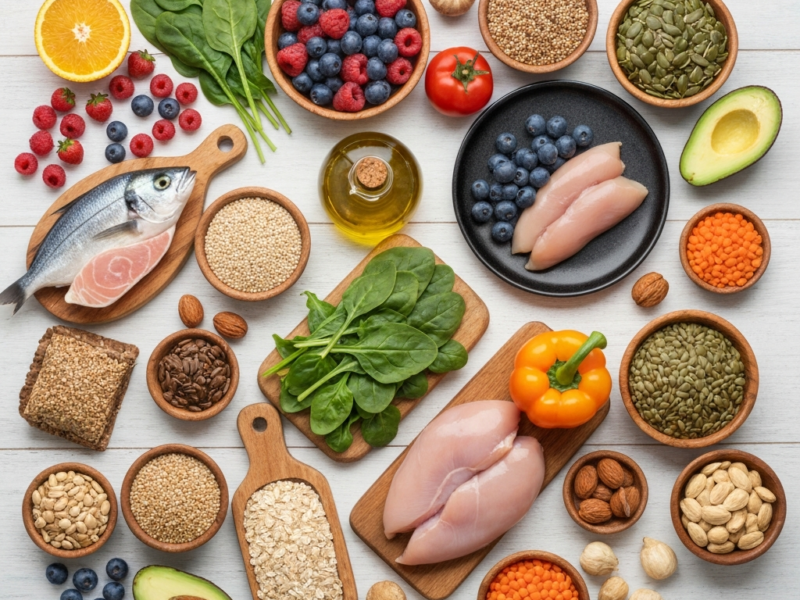
- Nutrition: A diet rich in fruits, vegetables, whole grains, and lean proteins provides the essential vitamins, minerals, and fiber your immune system needs. Focus on foods high in Vitamin C (citrus, berries, bell peppers), Zinc (nuts, seeds, legumes), and Selenium (Brazil nuts, seafood).
- Sleep: Aim for 7-9 hours of quality sleep per night. During sleep, your body repairs itself and produces crucial immune cells.
- Exercise: Regular, moderate physical activity boosts circulation and helps immune cells move more effectively throughout the body.
- Stress Management: Chronic stress weakens the immune system. Practices like meditation, yoga, deep breathing exercises, and spending time in nature can significantly reduce stress levels. The National Institute of Mental Health offers valuable resources on stress management.
- Hydration: Staying well-hydrated is essential for all bodily functions, including immune response. Water helps transport nutrients and flush out toxins.
Herbal Drinks for Immunity: Addressing Common Concerns
Can I drink these herbs every day?
For most herbs like ginger, turmeric, cinnamon, and licorice root (in moderation), daily consumption is generally safe and beneficial. However, herbs like Echinacea are often recommended for short-term use (e.g., during cold season or at the first sign of illness) to prevent the body from becoming too reliant on them. Always research the specific herb or consult with a qualified herbalist or healthcare provider for personalized advice.
Are herbal drinks safe for children?
Many herbal drinks can be safe and beneficial for children, but dosages and specific herbs need careful consideration. For example, elderberry syrup and ginger tea are often well-tolerated. However, herbs like licorice root should be used with caution due to potential side effects. Always use child-appropriate dosages and consult with a pediatrician or a qualified pediatric herbalist before giving herbal remedies to children.
How quickly can I expect to see results?
The effects of herbal drinks for immunity can vary. Some benefits, like the soothing effect of ginger on a sore throat, are almost immediate. Others, such as the long-term immune-strengthening effects of herbs like Astragalus, may take weeks or months of consistent use to become noticeable. It’s about building resilience over time.
Can herbal drinks interact with medications?
Yes, absolutely. Some herbs can interact with prescription medications, including blood thinners, immunosuppressants, and diabetes medications. For instance, Echinacea can potentially interact with certain immunosuppressants. It is crucial to discuss your herbal intake with your doctor or a qualified healthcare professional, especially if you are taking any medications or have underlying health conditions. The National Institutes of Health (NIH) provides extensive information on dietary supplements and their potential interactions.
What’s the difference between a tea, infusion, and decoction?
- Infusion: This is the most common method for making herbal teas, especially for delicate leaves and flowers. You steep the herb(s) in hot (not boiling) water for a short period (5-15 minutes). Examples: Echinacea, mint, chamomile.
- Decoction: This method is used for tougher plant parts like roots, bark, and seeds. The herb(s) are simmered in water for a longer period (20-40 minutes or more) to extract their beneficial compounds. Examples: Astragalus root, ginger root, turmeric root.
- Tea: This is a general term that can encompass both infusions and decoctions, or simply refer to the final beverage.
Can I combine different herbs in my drinks?
Absolutely! Combining herbs is a common practice in herbalism, known as creating synergistic formulas. Many of the recipes above combine multiple herbs to enhance their effects. For example, combining ginger, lemon, and honey creates a powerful soothing and immune-boosting blend. When creating your own combinations, research the herbs to ensure they are safe to use together and complement each other’s properties.
Conclusion: Embrace Nature’s Pharmacy for a Stronger You
In 2026, embracing herbal drinks for immunity is a powerful, natural, and delicious way to fortify your body’s defenses. By understanding the science behind these botanical allies and incorporating them thoughtfully into your daily routine, you can significantly enhance your resilience against illness. From the stimulating power of Echinacea to the warming embrace of ginger and turmeric, nature offers an incredible arsenal to support your well-being.
Remember that these potent brews are most effective when combined with a healthy lifestyle—a balanced diet, adequate sleep, regular exercise, and mindful stress management. Always prioritize quality when choosing your herbs and consult with healthcare professionals when necessary, especially if you have existing health conditions or are taking medications.
Start experimenting with these recipes, discover your favorite flavor combinations, and make herbal drinks for immunity a cherished part of your self-care ritual. By harnessing the wisdom of nature, you can unlock your body’s innate ability to thrive, feeling stronger, more vibrant, and better protected all year round. Your journey to a robust immune system starts with a simple, nourishing sip.
Frequently Asked Questions (FAQs)
What are the most popular herbal drinks for immunity?
The most popular herbal drinks for immunity often include teas made from Echinacea, Elderberry, Ginger, Turmeric, and Licorice Root. These herbs are widely recognized for their immune-supportive properties, including antioxidant, anti-inflammatory, and antimicrobial effects. Ginger-lemon-honey tea and Golden Milk (turmeric latte) are particularly favored for their comforting warmth and potent benefits.
How do herbal drinks boost immunity?
Herbal drinks for immunity work through various mechanisms. Many contain antioxidants that combat cellular damage from free radicals, strengthening immune cells. Others possess anti-inflammatory compounds that help regulate the immune response. Some herbs have direct antimicrobial properties that can help the body fight off pathogens like viruses and bacteria. Herbs like Astragalus and Holy Basil also act as adaptogens, helping the body manage stress, which is crucial for optimal immune function.
Are there any side effects to drinking herbal immunity boosters?
While generally safe, some herbal drinks for immunity can have side effects, especially if consumed in large quantities or by sensitive individuals. For example, excessive licorice root intake can raise blood pressure. Echinacea may cause allergic reactions in some people. It’s always advisable to start with small amounts, be aware of potential interactions with medications, and consult a healthcare provider if you have underlying health conditions. Always use reputable sources for herbs.
When is the best time to drink herbal immunity boosters?
The best time to drink herbal immunity boosters can depend on the herb and your personal needs. Many people enjoy a warming ginger or turmeric tea in the morning or evening. Elderberry syrup is often taken daily during cold and flu season for preventative support. Echinacea is frequently used at the onset of cold symptoms. Listening to your body and incorporating these drinks consistently, perhaps as part of a daily wellness routine, is key.
Can I make these herbal drinks ahead of time?
Yes, many herbal drinks for immunity can be prepared ahead of time. Elderberry syrup, for instance, is meant to be made in batches and stored in the refrigerator. Concentrated herbal infusions or decoctions can also be made and stored in the fridge for a few days, then reheated and enjoyed. However, for the freshest flavor and maximum potency, it’s often best to prepare teas like ginger-lemon fresh each time you drink them.
Read: Powerful 7 Ginger And Honey Benefits Unlocking Nature’s