Powerful 7 Ginger And Honey Benefits Unlocking Nature’s
Did you know that a simple combination of ginger and honey has been used for centuries as a potent natural remedy? This dynamic duo,…

Did you know that a simple combination of ginger and honey has been used for centuries as a potent natural remedy? This dynamic duo, celebrated in traditional medicine across cultures, offers a remarkable array of health advantages, from soothing sore throats to potentially boosting your body’s defenses. In 2026, as we continue to seek natural wellness solutions, understanding the profound ginger and honey benefits is more relevant than ever. This comprehensive guide delves deep into why this ancient pairing remains a cornerstone of modern natural health, exploring its scientifically-backed advantages, practical applications, and how you can easily incorporate it into your daily routine for optimal well-being.
The synergy between ginger and honey is truly fascinating. Ginger, with its characteristic warmth and zesty kick, is packed with bioactive compounds like gingerol, known for its anti-inflammatory and antioxidant properties. Honey, a natural sweetener produced by bees, boasts its own impressive profile of antioxidants, enzymes, and antimicrobial agents. When combined, these two natural powerhouses create a synergistic effect, amplifying their individual benefits and offering a holistic approach to health and vitality. Let’s uncover the extensive ginger and honey benefits that make this duo a must-have in your wellness arsenal.
The Incredible Synergy: Why Ginger and Honey Work So Well Together
The magic of ginger and honey lies in their complementary properties. Gingerol, the primary bioactive compound in ginger, is responsible for much of its therapeutic effect. It’s a potent anti-inflammatory and antioxidant agent. Honey, on the other hand, is rich in flavonoids and phenolic acids, which also possess antioxidant and anti-inflammatory capabilities.
When combined, these compounds can work together to enhance their effects. For instance, the anti-inflammatory properties of both can help to reduce swelling and pain, while their antioxidant power can help combat oxidative stress in the body. Furthermore, honey’s natural antimicrobial properties can work alongside ginger’s potential to support immune function, creating a formidable defense against common ailments. This natural synergy is the bedrock of many ginger and honey benefits.
Understanding the Key Players: Ginger and Honey Individually
Before we dive into their combined benefits, it’s essential to appreciate what each ingredient brings to the table individually.
Ginger: The Spicy Root of Wellness
Ginger (Zingiber officinale) is a flowering plant whose rhizome, or root stalk, is widely used as a spice and a medicinal herb. Its distinct flavor and aroma come from its natural oils, particularly gingerol.
- Anti-inflammatory Power: Gingerol has been shown to inhibit the production of pro-inflammatory cytokines, effectively reducing inflammation throughout the body. This is crucial for managing conditions like arthritis and muscle soreness.
- Antioxidant Properties: Ginger is loaded with antioxidants that help protect your body from damage caused by free radicals. This can contribute to slowing down the aging process and reducing the risk of chronic diseases.
- Digestive Aid: Perhaps one of the most well-known uses of ginger is for digestive issues. It can help alleviate nausea, vomiting, indigestion, and bloating by speeding up stomach emptying and stimulating digestive enzymes.
- Pain Relief: Studies suggest ginger can be effective in reducing muscle pain and soreness, particularly after strenuous exercise. It may also help with menstrual pain.
- Blood Sugar Regulation: Emerging research indicates that ginger may play a role in lowering blood sugar levels and improving heart disease risk factors in individuals with type 2 diabetes.
Honey: Nature’s Golden Nectar
Honey is a sweet, viscous food substance made by honey bees from the nectar of flowers. Its composition varies depending on the floral source, but it generally consists of fructose and glucose, along with trace amounts of vitamins, minerals, enzymes, and antioxidants.
- Antioxidant Rich: Different types of honey contain various antioxidants, including phenolic acids and flavonoids, which help neutralize harmful free radicals. Darker honeys tend to have higher antioxidant content.
- Antimicrobial and Antibacterial: Honey has natural antibacterial properties due to its low pH, high sugar content (which draws water out of bacteria), and the presence of hydrogen peroxide-producing enzymes. This makes it effective in wound healing and fighting infections.
- Soothing Properties: Honey is renowned for its ability to coat the throat, providing relief from coughs and sore throats. This demulcent effect is a key reason for its inclusion in many cough remedies.
- Wound Healing: Historically, honey has been used topically to promote wound healing and prevent infection. Its antibacterial and anti-inflammatory properties contribute to this.
- Prebiotic Potential: Some studies suggest that certain components in honey may act as prebiotics, feeding beneficial bacteria in the gut.
The Combined Impact: Amplified Ginger and Honey Benefits
When ginger and honey are combined, their individual strengths are amplified, leading to a powerful natural remedy. The warmth of ginger can enhance the soothing qualities of honey, while the antimicrobial and antioxidant properties of both can create a formidable defense system.
Top 7 Ginger and Honey Benefits You Can’t Ignore in 2026
Let’s explore the most significant ginger and honey benefits that make this duo a must-have for your health and wellness routine.
1. Boosting Immune System Function
One of the most celebrated ginger and honey benefits is their ability to bolster your immune system. Ginger’s anti-inflammatory and antioxidant properties, combined with honey’s antimicrobial and antioxidant effects, create a powerful defensive shield for your body.
- Ginger’s Role: Gingerol and other compounds in ginger can stimulate the immune system, potentially increasing the production of immune cells. Its anti-inflammatory action also helps the body respond more effectively to threats.
- Honey’s Role: Honey’s antibacterial properties can help fight off pathogens, while its antioxidants help protect immune cells from damage.
- Synergistic Effect: Together, they create an environment that is less hospitable to viruses and bacteria, while simultaneously supporting the body’s natural defense mechanisms. This makes the ginger and honey combination an excellent proactive measure against colds, flu, and other infections. Many people swear by a warm ginger and honey drink at the first sign of a sniffle.
2. Soothing Sore Throats and Coughs
This is perhaps the most classic and widely recognized of the ginger and honey benefits. The combination is a go-to remedy for relieving the discomfort of a sore throat and suppressing coughs.
- Honey’s Demulcent Action: Honey coats the throat, providing immediate soothing relief from irritation and pain. Its thick consistency helps to create a protective barrier over the inflamed mucous membranes.
- Ginger’s Anti-inflammatory and Warming Properties: Ginger’s anti-inflammatory compounds can help reduce swelling in the throat, while its natural warmth can provide a comforting sensation. It may also help to loosen mucus.
- Combined Relief: The warm ginger and honey mixture is incredibly effective. The honey soothes the raw throat, while the ginger works to reduce inflammation and potentially fight off any underlying viral or bacterial irritants. This natural remedy is often preferred over over-the-counter medications due to its gentle nature and fewer side effects.
3. Aiding Digestion and Reducing Nausea
Ginger is a renowned digestive aid, and when paired with honey, it can offer significant relief from various gastrointestinal discomforts. This is a crucial aspect of ginger and honey benefits for many individuals.
- Ginger’s Digestive Power: Ginger is known to stimulate digestive enzymes and increase the motility of the digestive tract, helping to move food through the stomach more efficiently. This can alleviate indigestion, bloating, and gas.
- Nausea Relief: Ginger is particularly famous for its anti-nausea properties. It’s often recommended for motion sickness, morning sickness during pregnancy, and nausea associated with chemotherapy or post-surgery.
- Honey’s Gentle Sweetness: While ginger does the heavy lifting for digestive regulation, honey provides a soothing sweetness that can make ginger’s potent flavor more palatable. It can also have a mild prebiotic effect, supporting gut health.
- The Duo Effect: A warm ginger and honey tea can calm an upset stomach, reduce feelings of nausea, and promote overall digestive comfort. It’s a gentle yet effective way to support your gut health.
4. Anti-inflammatory Effects for Pain Management
The potent anti-inflammatory properties of both ginger and honey contribute significantly to their combined health benefits, particularly in managing pain and inflammation.
- Ginger’s Anti-inflammatory Compounds: Gingerol, the main active compound in ginger, has been extensively studied for its ability to reduce inflammation markers in the body. This can be beneficial for conditions like osteoarthritis, rheumatoid arthritis, and general muscle aches.
- Honey’s Antioxidant and Anti-inflammatory Support: While not as potent as ginger in this regard, honey’s antioxidants and other compounds also possess anti-inflammatory effects that can complement ginger’s action.
- Pain Relief: By reducing inflammation, the ginger and honey combination can help alleviate pain associated with inflammatory conditions. This includes joint pain, muscle soreness, and even menstrual cramps. Regular consumption might offer a more sustained benefit for chronic inflammatory issues.
5. Potential Heart Health Support
While more research is needed, preliminary studies suggest that ginger and honey may offer benefits for cardiovascular health, contributing to their impressive list of ginger and honey benefits.
- Ginger’s Impact on Risk Factors: Ginger may help lower blood pressure and cholesterol levels, both of which are significant risk factors for heart disease. It may also help prevent blood clots.
- Honey’s Antioxidant Role: The antioxidants in honey can help protect LDL cholesterol from oxidation, a key step in the development of atherosclerosis (hardening of the arteries).
- Synergy for Heart Health: By potentially improving blood pressure, cholesterol profiles, and reducing oxidative stress, the ginger and honey combination could play a supportive role in maintaining a healthy heart. However, it’s crucial to remember that this should not replace conventional medical treatment for heart conditions.
6. Antioxidant Powerhouse Against Oxidative Stress
Oxidative stress, caused by an imbalance of free radicals and antioxidants in the body, is linked to aging and numerous chronic diseases. Ginger and honey are both rich in antioxidants, making them a powerful duo for combating this cellular damage.
- Ginger’s Antioxidant Profile: Ginger contains compounds like gingerol, shogaol, and zingerone, which act as potent antioxidants, neutralizing harmful free radicals.
- Honey’s Diverse Antioxidants: Depending on the floral source, honey can contain a variety of antioxidants, including flavonoids and phenolic acids, which also scavenge free radicals.
- Protective Effects: By neutralizing free radicals, ginger and honey can help protect cells from damage, potentially reducing the risk of chronic diseases like cancer, heart disease, and neurodegenerative disorders. They also contribute to healthier skin and a slower aging process.
7. Enhancing Skin Health and Radiance
The benefits of ginger and honey extend beyond internal health to positively impact your skin. Their antioxidant, anti-inflammatory, and antimicrobial properties can contribute to a clearer, healthier complexion.
- Anti-inflammatory Action: Reduced inflammation can lead to less redness and irritation on the skin, benefiting conditions like acne and eczema.
- Antioxidant Protection: Fighting free radicals helps protect skin cells from damage, which can slow down the aging process, reduce the appearance of wrinkles, and promote a more youthful glow.
- Antimicrobial Properties: Honey, in particular, has been used topically for its ability to fight bacteria. This can be beneficial for acne-prone skin.
- Internal and External Benefits: Consuming ginger and honey regularly can provide systemic antioxidant and anti-inflammatory benefits that reflect in your skin’s health. Additionally, honey can be used as a natural face mask for direct topical benefits.
How to Incorporate Ginger and Honey into Your Diet
Understanding the ginger and honey benefits is one thing; enjoying them is another. Fortunately, incorporating this duo into your daily routine is simple and delicious.
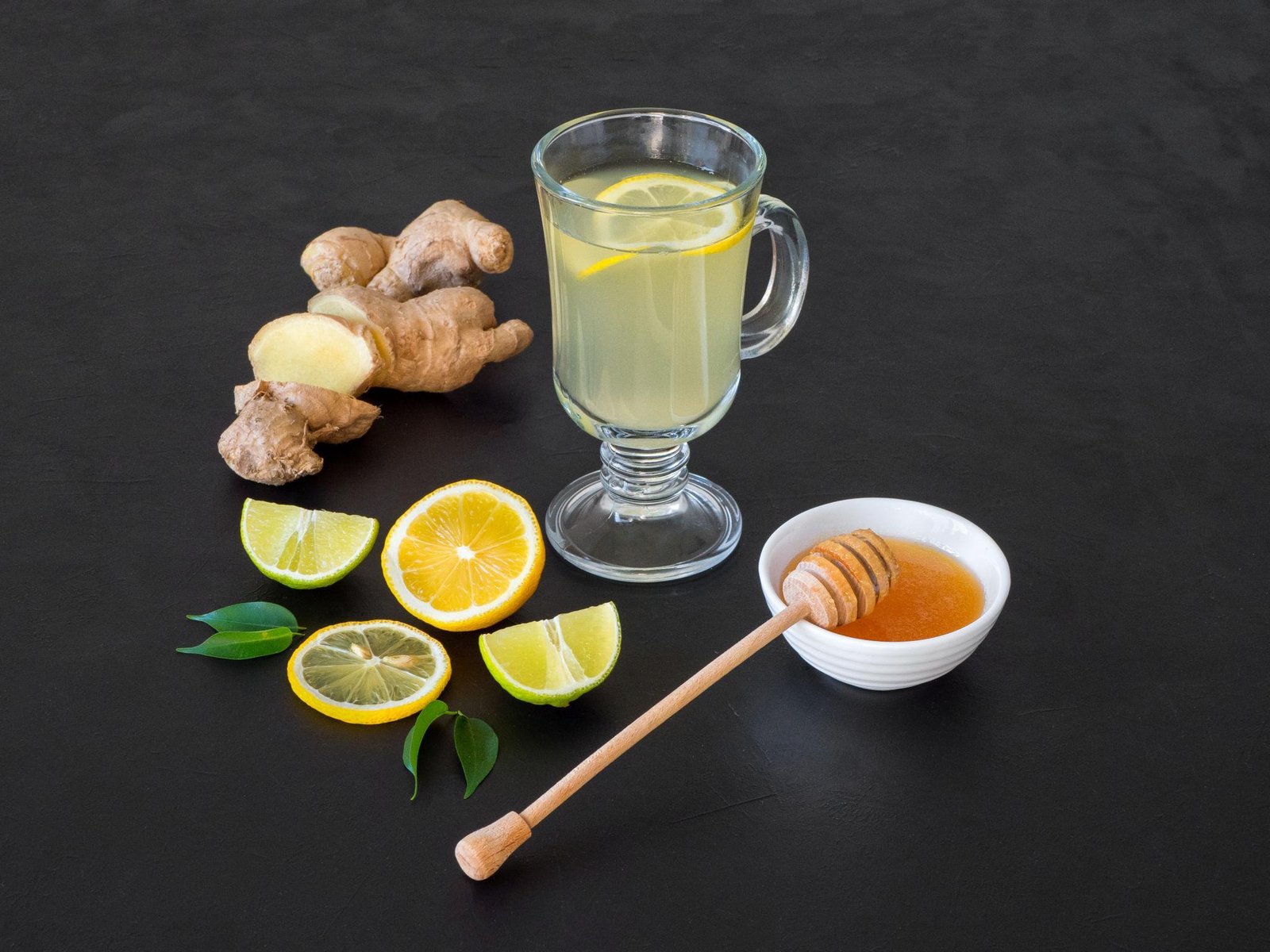
The Classic Ginger Honey Tea
This is the most popular and straightforward way to consume ginger and honey.
- Ingredients:
- 1-2 inches of fresh ginger, thinly sliced or grated
- 1-2 cups of water
- 1-2 tablespoons of raw honey (adjust to taste)
- Optional: Lemon slices, cinnamon stick
- Instructions:
- Bring water to a boil in a saucepan.
- Add the fresh ginger slices or grated ginger.
- Reduce heat and simmer for 5-10 minutes (or longer for a stronger flavor).
- Strain the ginger water into a mug.
- Let it cool slightly until it’s warm, not hot.
- Stir in the raw honey until dissolved. Adding honey to very hot water can diminish its beneficial properties.
- Add lemon slices or other optional ingredients if desired.
Ginger Honey Lemonade
A refreshing twist on the classic tea, perfect for warmer weather or a revitalizing drink.
- Ingredients:
- Juice of 2-3 lemons
- 1-2 inches of fresh ginger, grated or juiced
- 1/4 cup raw honey (or more to taste)
- 2-3 cups of cold water
- Ice cubes
- Instructions:
- In a small saucepan, combine grated ginger with about 1/2 cup of water. Simmer for 5-10 minutes. Strain and let the ginger infusion cool.
- In a pitcher, combine lemon juice, honey, and the cooled ginger infusion. Stir well until the honey is dissolved.
- Add cold water and stir. Taste and adjust sweetness or tartness as needed.
- Serve over ice.
Ginger Honey Smoothies
Boost your morning smoothie with the added benefits of ginger and honey.
- Ideas: Add a small piece of fresh ginger (peeled) and a teaspoon of honey to your favorite fruit or vegetable smoothie recipe. Ginger pairs particularly well with tropical fruits like mango and pineapple, or with greens like spinach.
Ginger Honey Salad Dressing
A zesty and healthy dressing for your salads.
- Ingredients:
- 1/4 cup olive oil
- 2 tablespoons apple cider vinegar
- 1 tablespoon grated fresh ginger
- 1 tablespoon raw honey
- 1 teaspoon Dijon mustard (optional)
- Salt and pepper to taste
- Instructions: Whisk all ingredients together in a small bowl until well combined.
Candied Ginger with Honey
A naturally sweet treat that offers a concentrated dose of ginger’s benefits.
- Instructions: You can find recipes online for making candied ginger, often involving simmering ginger slices in a sugar and water syrup. For a healthier version, consider simmering ginger in honey and water. Once cooked, you can coat the pieces in a little more honey or simply enjoy them as is.
Choosing the Right Ingredients: Quality Matters
To maximize the ginger and honey benefits, selecting high-quality ingredients is essential.
Selecting Fresh Ginger
- Appearance: Choose firm, smooth-skinned ginger roots. Avoid those that are shriveled, soft, or have green sprouts.
- Weight: A good piece of ginger should feel heavy for its size.
- Aroma: Fresh ginger has a pungent, spicy aroma.
Choosing the Best Honey
- Raw and Unpasteurized: Opt for raw, unpasteurized honey whenever possible. Pasteurization, a heating process, can destroy beneficial enzymes, vitamins, and antioxidants.
- Floral Source: Different types of honey (e.g., Manuka, buckwheat, wildflower) have varying nutritional profiles and flavor. Manuka honey, for example, is particularly renowned for its potent antibacterial properties.
- Local Honey: Supporting local beekeepers by purchasing local honey can be a great option, and it may also help with seasonal allergies for some individuals.
Potential Side Effects and Precautions
While ginger and honey are generally safe for most people, there are a few things to keep in mind to ensure you’re enjoying their benefits safely.
Ginger Considerations
- Heartburn: In large doses, ginger can sometimes cause heartburn or stomach upset, especially in individuals prone to acid reflux.
- Blood Thinning: Ginger has mild blood-thinning properties. If you are taking anticoagulant medications (like warfarin) or have a bleeding disorder, consult your doctor before consuming large amounts of ginger.
- Blood Sugar: While potentially beneficial for blood sugar, individuals on diabetes medication should monitor their blood sugar levels closely when incorporating significant amounts of ginger into their diet.
- Pregnancy: Ginger is generally considered safe for managing morning sickness in pregnancy, but it’s always best to consult with your healthcare provider before using it medicinally.
Honey Considerations
- Infants: Never give honey to infants under one year of age due to the risk of infant botulism, a serious illness caused by Clostridium botulinum spores that can be present in honey.
- Diabetics: Honey is a sugar and will affect blood glucose levels. While it may have a lower glycemic index than refined sugar, diabetics should consume it in moderation and monitor their blood sugar.
- Allergies: Although rare, some individuals may be allergic to honey or specific floral pollens within it.
When to Consult a Doctor
It’s always wise to consult with a healthcare professional before using ginger and honey as a primary treatment for any medical condition, especially if you:
- Are pregnant or breastfeeding
- Have a chronic health condition (e.g., diabetes, heart disease, bleeding disorders)
- Are taking medications, particularly blood thinners or diabetes medication
- Are considering using them for infants or children
- Experience any adverse reactions
Frequently Asked Questions About Ginger and Honey Benefits
Here are some common questions people have about this powerful natural duo.
Is it safe to drink ginger and honey tea every day?
For most healthy adults, drinking ginger and honey tea in moderation (e.g., one to two cups per day) is generally considered safe and can be beneficial for overall wellness. However, if you have any underlying health conditions, are taking medications, or experience any adverse effects like heartburn or digestive upset, it’s best to reduce your intake or consult with a healthcare professional. Pay attention to your body’s signals.
Can ginger and honey help with weight loss?
While ginger and honey themselves are not magic weight-loss solutions, they can support a healthy weight management plan. Ginger may help boost metabolism and reduce appetite due to its thermogenic properties and potential effects on blood sugar regulation. Honey, when used as a replacement for refined sugars, can be a slightly healthier sweetener option. Combining a ginger honey drink with a balanced diet and regular exercise can contribute to weight management efforts. However, remember that honey is still a source of sugar and calories.
What is the best time of day to consume ginger and honey?
The best time to consume ginger and honey often depends on the desired benefit. For digestive support, consuming it after meals can be helpful. For soothing a sore throat or cough, it can be beneficial any time of day, especially before bed. Many people enjoy a warm cup first thing in the morning for a gentle energy boost and to kickstart their metabolism. Experiment to see what time works best for you.
Does the type of honey matter for ginger and honey benefits?
Yes, the type of honey can influence the benefits. Raw, unpasteurized honey generally retains more of its natural enzymes, antioxidants, and antimicrobial properties compared to processed honey. Darker honeys, like buckwheat or Manuka honey, often contain higher levels of antioxidants. While all honey offers some benefits, choosing raw and minimally processed honey will likely maximize the synergistic effects when combined with ginger.
Can I use dried ginger instead of fresh ginger for ginger and honey benefits?
You can use dried ginger, but fresh ginger generally offers a more potent flavor and potentially a higher concentration of beneficial compounds like gingerol. If using dried ginger powder, use it sparingly as it is more concentrated. Start with about half the amount of dried ginger powder compared to fresh ginger. The flavor profile will also be different; dried ginger tends to be warmer and spicier. Fresh ginger is usually preferred for teas and infusions.
Are there any interactions between ginger, honey, and medications?
Ginger can interact with certain medications, particularly blood thinners (anticoagulants like warfarin) and medications for diabetes and high blood pressure. It may increase the risk of bleeding or affect blood sugar and blood pressure levels. Honey, while generally safe, is a sugar and can impact blood sugar levels, which is relevant for individuals taking diabetes medication. It’s crucial to consult your doctor or a pharmacist if you are taking any medications and plan to consume ginger and honey regularly or in medicinal amounts.
Conclusion: Embracing Nature’s Wellness Duo
In 2026, the enduring appeal of ginger and honey lies in their potent, natural synergy and the wide spectrum of health benefits they offer. From fortifying your immune system and soothing irritating coughs to aiding digestion and combating inflammation, this ancient pairing proves itself to be a timeless remedy. Their rich antioxidant profiles also provide crucial protection against cellular damage, contributing to overall vitality and potentially reducing the risk of chronic diseases.
Incorporating ginger and honey into your daily life is remarkably simple, whether through a comforting cup of tea, a refreshing lemonade, or even as a unique addition to your culinary creations. By choosing high-quality, raw ingredients, you can ensure you’re getting the most out of nature’s golden nectar and spicy root. While generally safe, mindful consumption and consultation with healthcare providers for specific conditions or medication interactions are always recommended.
Embrace the power of this dynamic duo and unlock a world of natural wellness. The simple act of combining ginger and honey is a testament to nature’s ability to provide effective, gentle, and delicious solutions for maintaining health and well-being in our modern lives. Make ginger and honey a staple in your wellness toolkit and experience their remarkable benefits for yourself.
Read: Master Your Mind: 7 Stress Management Techniques 2026