Effective Belly Fat Tips for 2026
Did you know that in 2026, an estimated 40% of adults worldwide will be considered overweight or obese? Source: World Health Organization A significant…

Did you know that in 2026, an estimated 40% of adults worldwide will be considered overweight or obese? Source: World Health Organization A significant portion of this excess weight often accumulates around the midsection, leading to what is commonly known as belly fat. While often seen as a cosmetic concern, excess abdominal fat, particularly visceral fat, is linked to a higher risk of serious health problems like heart disease, type 2 diabetes, and certain cancers. Source: Mayo Clinic Fortunately, with the right strategies, it’s entirely possible to target and reduce this stubborn fat. This comprehensive guide will explore effective, evidence-based tips for shedding belly fat in 2026 and beyond, focusing on sustainable lifestyle changes rather than quick fixes.
Understanding Belly Fat: More Than Just a Number on the Scale
Before diving into the “how-to,” it’s crucial to understand what belly fat is and why it can be so challenging to lose. There are two main types of fat in your abdominal area:
- Subcutaneous fat: This is the pinchable fat that lies just beneath your skin. It’s the most visible type of fat and while it contributes to overall weight, it’s generally less harmful to your health than visceral fat.
- Visceral fat: This type of fat is deeper within your abdominal cavity, surrounding your organs like the liver, intestines, and heart. Visceral fat is metabolically active, meaning it releases hormones and inflammatory substances that can negatively impact your health. High levels of visceral fat are strongly associated with increased risks of cardiovascular disease, insulin resistance, and metabolic syndrome.
Several factors contribute to the accumulation of belly fat, including genetics, age, hormonal changes, lack of sleep, stress, and, most significantly, diet and physical activity levels. The good news is that many of these factors can be influenced through lifestyle modifications.
The Cornerstones of Belly Fat Reduction: Diet and Exercise
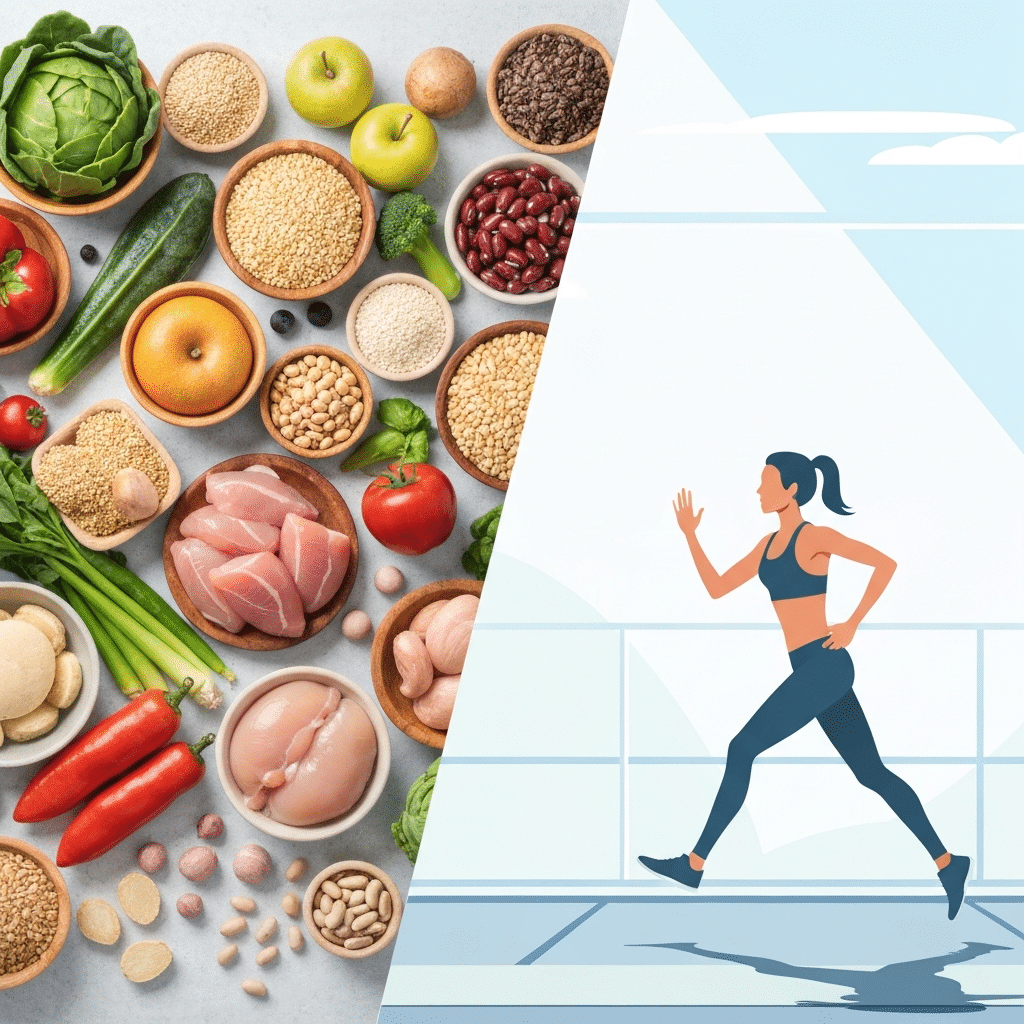
When it comes to reducing belly fat, a two-pronged approach combining a healthy diet and regular physical activity is paramount. While spot reduction – targeting fat loss in one specific area – is largely a myth, overall fat loss will inevitably lead to a reduction in abdominal fat.
Nutrition Strategies for a Flatter Stomach
What you eat plays a pivotal role in managing belly fat. Focusing on whole, unprocessed foods and limiting certain others can make a significant difference.
1. Prioritize Whole, Unprocessed Foods
The foundation of any successful weight loss plan, including belly fat reduction, is a diet rich in whole, unprocessed foods. This includes:
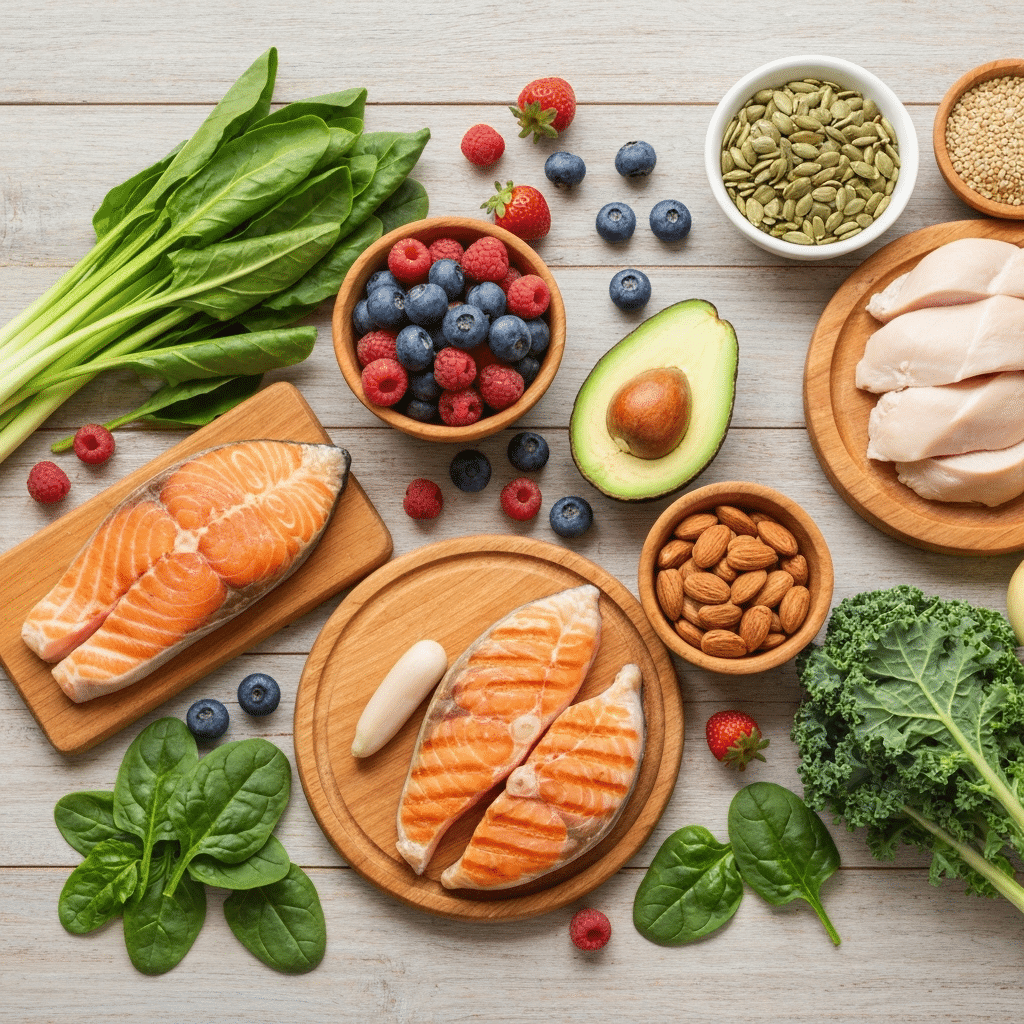
- Lean Proteins: Protein is incredibly satiating, meaning it helps you feel fuller for longer, reducing overall calorie intake. It also requires more energy to digest than carbohydrates or fats, contributing to a slightly higher metabolism. Excellent sources include chicken breast, turkey, fish (especially fatty fish like salmon, which also provides omega-3 fatty acids), eggs, legumes (beans, lentils), and tofu.
- Fruits and Vegetables: These are packed with fiber, vitamins, minerals, and antioxidants, and are generally low in calories. Fiber is particularly important for weight management as it adds bulk to your diet, aids digestion, and helps regulate blood sugar levels, preventing energy crashes that can lead to cravings. Aim for a wide variety of colorful fruits and vegetables to ensure you’re getting a broad spectrum of nutrients.
- Whole Grains: Unlike refined grains (white bread, white rice, pasta), whole grains retain their bran and germ, meaning they are rich in fiber, B vitamins, and minerals. They are digested more slowly, providing sustained energy and helping to keep you full. Examples include oats, quinoa, brown rice, barley, and whole wheat bread.
- Healthy Fats: Don’t fear fats! Healthy fats are essential for hormone production and nutrient absorption. Focus on monounsaturated and polyunsaturated fats found in avocados, nuts, seeds, olive oil, and fatty fish. These fats can also help improve satiety.
2. Limit Sugary Drinks and Added Sugars
Sugary beverages are a major culprit when it comes to weight gain and belly fat accumulation. Sodas, fruit juices, sweetened teas, and energy drinks are loaded with calories and sugar, offering little to no nutritional value. The body doesn’t register liquid calories in the same way as solid food, making it easy to overconsume them.
- The Impact of Sugar: High intake of added sugars, especially fructose, has been linked to increased visceral fat accumulation and insulin resistance. When you consume excessive sugar, your liver can convert it into fat.
- Alternatives: Opt for water, unsweetened tea, black coffee, or sparkling water with a splash of lemon or lime. Be mindful of hidden sugars in processed foods, sauces, and yogurts. Always check nutrition labels.
3. Reduce Intake of Refined Carbohydrates
Similar to added sugars, refined carbohydrates are stripped of their fiber and nutrients during processing. This means they are digested quickly, leading to rapid spikes in blood sugar and subsequent energy crashes, which can trigger cravings for more sugary or high-carb foods. Examples include white bread, white pasta, pastries, cookies, and many breakfast cereals.
- Focus on Complex Carbs: Instead, choose complex carbohydrates found in whole grains, vegetables, and legumes. These are digested slowly, providing a steady release of energy and promoting satiety.
4. Increase Fiber Intake
As mentioned earlier, fiber is a superstar nutrient for weight management. It not only helps you feel full but also aids in digestion and can help reduce the absorption of fat and cholesterol.
- Soluble vs. Insoluble Fiber: Both are important. Soluble fiber, found in oats, beans, apples, and citrus fruits, forms a gel-like substance in your digestive tract, which can help slow down digestion and reduce appetite. Insoluble fiber, found in whole grains, vegetables, and wheat bran, adds bulk to stool and helps move waste through the digestive system.
- How to Increase Fiber: Gradually incorporate more fruits, vegetables, legumes, and whole grains into your diet. Aim for at least 25-30 grams of fiber per day.
5. Stay Hydrated
Drinking enough water is crucial for overall health and can support weight loss efforts. Water helps boost metabolism, aids in fat breakdown, and can help you feel fuller, potentially reducing calorie intake.
- How Much Water? A general guideline is to drink eight 8-ounce glasses of water per day, but individual needs vary based on activity level, climate, and overall health. Listen to your body’s thirst signals.
- Water and Cravings: Sometimes, thirst can be mistaken for hunger. Drinking a glass of water before meals can help you gauge your true hunger levels.
6. Consider Portion Control and Mindful Eating
Even healthy foods can contribute to weight gain if consumed in excessive amounts. Being mindful of your portion sizes is essential.
- Mindful Eating: This involves paying attention to your food, savoring each bite, and recognizing your body’s hunger and fullness cues. Avoid distractions like screens while eating. Eat slowly and chew thoroughly. This practice can help you enjoy your meals more and prevent overeating.
- Plate Method: A simple visual guide is the “plate method.” Fill half your plate with non-starchy vegetables, one quarter with lean protein, and one quarter with whole grains or starchy vegetables.
Exercise Strategies for Fat Burning
Diet is undeniably the most significant factor in weight loss, but exercise plays a crucial complementary role. It burns calories, builds muscle (which boosts metabolism), and offers numerous health benefits.
1. Incorporate Cardiovascular Exercise (Cardio)
Cardio, or aerobic exercise, is highly effective at burning calories and improving cardiovascular health. It also helps reduce visceral fat.
- Types of Cardio: Aim for at least 150 minutes of moderate-intensity or 75 minutes of vigorous-intensity aerobic activity per week, as recommended by health organizations like the U.S. Department of Health and Human Services. Examples include brisk walking, jogging, running, cycling, swimming, dancing, and using an elliptical machine.
- High-Intensity Interval Training (HIIT): HIIT involves short bursts of intense exercise followed by brief recovery periods. It’s highly effective for calorie burning and can boost your metabolism for hours after your workout (the “afterburn effect”). Examples include sprints, burpees, and jump squats performed in intervals.
2. Build Muscle with Strength Training
Muscle tissue burns more calories at rest than fat tissue. Therefore, building muscle through strength training can significantly boost your metabolism and aid in overall fat loss, including belly fat.
- Benefits Beyond Metabolism: Strength training also improves body composition, making you look leaner and more toned. It strengthens bones, improves posture, and can help prevent injuries.
- Types of Strength Training: This includes lifting weights, using resistance bands, or performing bodyweight exercises like push-ups, squats, and lunges. Aim to work all major muscle groups at least two to three times per week.
- Compound Movements: Focus on compound exercises that work multiple muscle groups simultaneously, such as squats, deadlifts, bench presses, and overhead presses. These are more efficient for calorie burning and muscle building.
3. Don’t Neglect Core Strengthening
While you can’t spot-reduce belly fat, strengthening your core muscles can improve your posture and make your midsection appear flatter and more toned.
- Effective Core Exercises: Planks, crunches, leg raises, Russian twists, and bicycle crunches are all excellent for engaging your abdominal muscles.
- Focus on Form: Proper form is crucial to avoid injury and maximize effectiveness.
4. Increase Your Non-Exercise Activity Thermogenesis (NEAT)
NEAT refers to the calories you burn through everyday activities outside of structured exercise. Increasing your NEAT can make a surprising difference in your overall calorie expenditure.
- Ideas for Increasing NEAT: Take the stairs instead of the elevator, park further away from your destination, walk or cycle for short errands, stand up and move around regularly if you have a desk job, and engage in active hobbies like gardening or dancing.
Lifestyle Factors That Influence Belly Fat
Beyond diet and exercise, several lifestyle factors can significantly impact your ability to lose belly fat.
1. Manage Stress Effectively
Chronic stress can lead to increased levels of the hormone cortisol. Cortisol signals your body to store fat, particularly in the abdominal region, and can also increase cravings for unhealthy, high-calorie foods.
- Stress-Reduction Techniques: Find healthy ways to manage stress, such as meditation, deep breathing exercises, yoga, spending time in nature, listening to music, or engaging in hobbies you enjoy. Prioritizing relaxation and downtime is crucial.
2. Prioritize Quality Sleep
Lack of sleep can disrupt hormones that regulate appetite, leading to increased hunger and cravings for unhealthy foods. It can also impair your body’s ability to process glucose and store fat efficiently.
- Aim for 7-9 Hours: Most adults need 7-9 hours of quality sleep per night.
- Sleep Hygiene: Establish a regular sleep schedule, create a relaxing bedtime routine, ensure your bedroom is dark and quiet, and avoid caffeine and heavy meals close to bedtime.
3. Limit Alcohol Consumption
Alcohol is calorie-dense and can contribute to weight gain, especially around the midsection. It can also impair judgment, leading to poor food choices and reduced motivation for exercise.
- Moderation is Key: If you choose to drink, do so in moderation. Be mindful of the calorie content in alcoholic beverages and mixers.
4. Stay Consistent and Patient
Losing belly fat is a journey, not a race. It requires consistent effort and patience. Don’t get discouraged if you don’t see results immediately.
- Focus on Progress, Not Perfection: Celebrate small victories along the way. Consistency in your healthy habits will eventually lead to sustainable results.
- Avoid Fad Diets: Quick fixes and fad diets are rarely sustainable and can often be detrimental to your health. Focus on making gradual, long-term lifestyle changes.
When to Seek Professional Help
While lifestyle changes are often sufficient for reducing belly fat, there are instances where professional guidance is beneficial.
- Consult Your Doctor: If you have underlying health conditions or concerns about your weight, it’s always a good idea to consult with your doctor. They can help assess your overall health and provide personalized recommendations.
- Registered Dietitian: A registered dietitian can provide tailored nutrition advice and create a meal plan that meets your specific needs and goals.
- Certified Personal Trainer: A personal trainer can help you develop a safe and effective exercise program.
Conclusion
Reducing belly fat in 2026 requires a holistic approach that addresses diet, exercise, and lifestyle factors. By prioritizing whole foods, managing stress, getting adequate sleep, and engaging in regular physical activity, you can effectively target stubborn abdominal fat and improve your overall health. Remember that sustainable change comes from consistent effort and a commitment to long-term well-being. Embrace the journey, be patient with yourself, and celebrate your progress toward a healthier, happier you.
Frequently Asked Questions About Belly Fat
Can I spot-reduce belly fat with specific exercises?
Unfortunately, you cannot spot-reduce belly fat. While exercises like crunches strengthen abdominal muscles, they do not directly burn the fat covering those muscles. Fat loss occurs throughout the body when you create a calorie deficit through diet and exercise. Overall fat reduction will eventually lead to a decrease in belly fat.
How quickly can I expect to lose belly fat?
The timeline for losing belly fat varies greatly from person to person and depends on factors like genetics, starting weight, diet, exercise consistency, and overall health. Sustainable fat loss is typically around 1-2 pounds per week. Focusing on consistent healthy habits rather than rapid weight loss is more effective for long-term results.
Are there any specific foods that are particularly good for reducing belly fat?
While no single food is a magic bullet, a diet rich in fiber, lean protein, and healthy fats can be very effective. Foods like berries, leafy greens, lean meats, fish, beans, lentils, nuts, and seeds are excellent choices. Reducing intake of sugary drinks, refined carbohydrates, and processed foods is also crucial.
Does stress really contribute to belly fat?
Yes, stress can significantly contribute to belly fat accumulation. When you’re stressed, your body releases cortisol, a hormone that can increase appetite and signal your body to store more fat, particularly in the abdominal area. Managing stress through techniques like meditation or yoga is therefore important for belly fat reduction.
Is it possible to lose belly fat as I get older?
Absolutely. While hormonal changes and a natural decrease in metabolism can make it more challenging as we age, it is still very possible to lose belly fat. The principles of a healthy diet, regular exercise (including strength training to maintain muscle mass), stress management, and adequate sleep are still highly effective, regardless of age. Consistency is key.
What is the difference between subcutaneous and visceral fat?
Subcutaneous fat is the layer of fat just under your skin, which you can pinch. Visceral fat is located deeper within your abdominal cavity, surrounding your organs. Visceral fat is more metabolically active and poses a greater risk to your health, contributing to conditions like heart disease and diabetes. While overall fat loss reduces both, targeting visceral fat is particularly important for health.
Read: Fat Loss Foods: 7 Essential Foods for 2026