Unveiling the Powerful 10 Natural Home Remedies for 2026
Discover the incredible effectiveness of natural home remedies in managing common ailments and promoting overall well-being. This comprehensive guide, updated for 2026, delves into…


Discover the incredible effectiveness of natural home remedies in managing common ailments and promoting overall well-being. This comprehensive guide, updated for 2026, delves into the science and practice of using readily available ingredients from your kitchen and garden to create potent, safe, and cost-effective treatments. Are you seeking gentle yet powerful solutions for everyday health concerns? Look no further than the wisdom of nature, meticulously explored and presented here.
The global market for natural and organic personal care products is projected to reach over $25 billion by 2027, underscoring a significant shift towards natural solutions. This isn’t just a trend; it’s a testament to the enduring efficacy and growing trust in nature’s pharmacy. From soothing a sore throat with honey and lemon to easing digestive upset with ginger, these time-tested remedies offer a welcome alternative to synthetic medications, often with fewer side effects and a deeper connection to our well-being.
This article will guide you through a vast array of natural home remedies, covering everything from common colds and skin irritations to stress relief and boosting immunity. We’ll explore the science behind why these remedies work, provide practical instructions for their preparation and use, and discuss important considerations for safety and effectiveness. Whether you’re a seasoned herbalist or a curious beginner, this guide is designed to empower you with the knowledge to harness the healing power of nature right in your own home.
Understanding the Philosophy Behind Natural Home Remedies
Before we dive into specific remedies, it’s crucial to understand the underlying philosophy that drives the use of natural home remedies. This approach is rooted in a holistic view of health, recognizing that the body possesses an innate ability to heal itself when provided with the right support. It emphasizes prevention, gentle intervention, and working with the body’s natural processes rather than against them.
Holistic Health and Nature’s Balance
The core principle of holistic health is that the mind, body, and spirit are interconnected. When we talk about natural home remedies, we’re often addressing not just the physical symptom but also the contributing factors that might be impacting overall balance. For instance, stress can manifest as digestive issues, and a remedy that calms the nervous system might indirectly alleviate stomach discomfort.
Nature itself operates on principles of balance and synergy. Plants, for example, contain a complex array of compounds that work together to produce their therapeutic effects. This contrasts with many pharmaceutical drugs, which often isolate a single active ingredient. The synergy found in natural remedies can lead to broader benefits and potentially fewer harsh side effects.
The Wisdom of Ages: Traditional and Folk Medicine
Many natural home remedies are not new discoveries; they are ancient practices passed down through generations. Traditional Chinese Medicine, Ayurveda, and indigenous healing systems worldwide have long utilized herbs, foods, and natural practices for healing. These time-tested methods have been refined through centuries of observation and experience, providing a rich legacy of natural health knowledge.
While modern science is increasingly validating the efficacy of these traditional practices, it’s important to acknowledge the deep historical roots. The resurgence of interest in these remedies in 2026 reflects a growing desire to reconnect with these ancestral wisdom traditions and their sustainable approach to health.
Safety and Efficacy: A Balanced Perspective
It’s a common misconception that “natural” always equates to “safe.” While many natural home remedies are gentle and well-tolerated, it’s vital to approach them with knowledge and caution. Understanding correct dosages, potential interactions, and contraindications is paramount. This guide aims to provide balanced information, highlighting both the benefits and the necessary precautions.
The efficacy of natural remedies can vary depending on the individual, the quality of the ingredients, and the specific condition being treated. While they can be highly effective for many common ailments, they are not a substitute for professional medical care in cases of serious illness or chronic conditions. Always consult with a healthcare provider for diagnosis and treatment of significant health concerns.
Essential Ingredients for Your Natural Home Remedy Toolkit
Building a collection of versatile, natural ingredients is the first step toward creating your own effective home remedies. These are items you can likely find in your pantry, refrigerator, or local grocery store, making natural healing accessible and convenient.
Kitchen Staples with Healing Power
Your kitchen is a treasure trove of natural remedies. Many common foods possess remarkable medicinal properties.
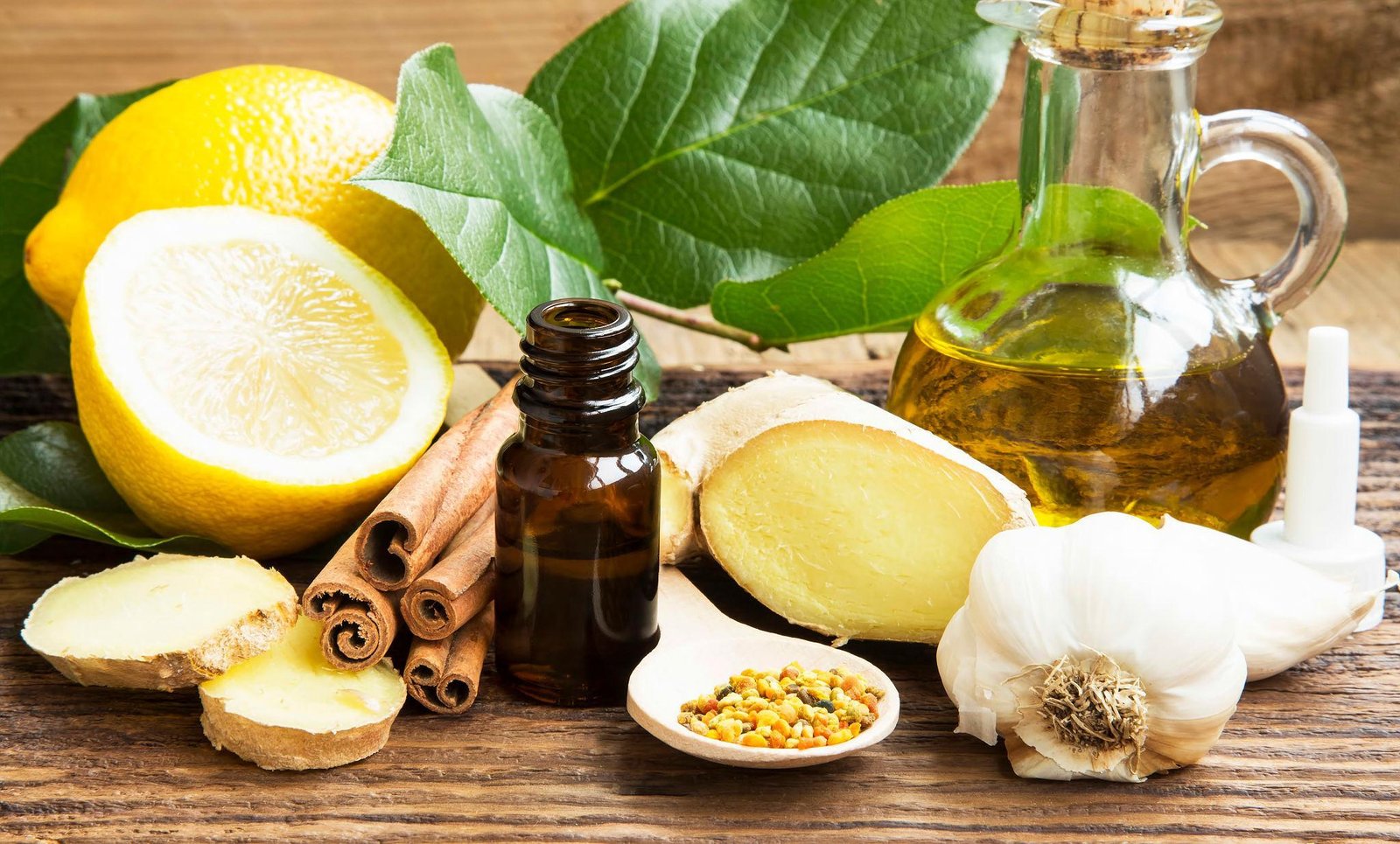
- Honey: More than just a sweetener, raw, unpasteurized honey is a potent antibacterial, antiviral, and anti-inflammatory agent. It’s excellent for soothing sore throats, healing minor wounds, and improving digestion. Look for local, raw honey for the most benefits.
- Ginger: This warming spice is a digestive powerhouse, known for its ability to combat nausea, reduce inflammation, and ease indigestion. Fresh ginger root can be brewed into tea, added to meals, or even chewed for relief.
- Garlic: Renowned for its immune-boosting and antimicrobial properties, garlic contains allicin, a compound with powerful antibiotic effects. It can be used to fight infections, lower blood pressure, and improve cardiovascular health.
- Lemon: Rich in Vitamin C and antioxidants, lemon juice is a natural detoxifier, aids digestion, and can help alkalize the body. It’s a fantastic addition to water for hydration and immune support.
- Turmeric: This vibrant spice is a potent anti-inflammatory due to its active compound, curcumin. It’s beneficial for joint pain, digestive issues, and boosting overall immunity.
- Cinnamon: Known for its warming properties, cinnamon can help regulate blood sugar levels, improve circulation, and possesses antioxidant and anti-inflammatory benefits.
- Apple Cider Vinegar (ACV): Unfiltered ACV contains beneficial bacteria and enzymes. It can aid digestion, soothe a sore throat, and help balance the body’s pH.
Herbs and Spices: Nature’s Pharmacy
Many common herbs and spices, whether fresh or dried, offer significant therapeutic benefits.
- Peppermint: Excellent for digestive issues like bloating, gas, and indigestion. Peppermint tea can also help relieve headaches and clear nasal congestion.
- Chamomile: A gentle relaxant, chamomile is perfect for easing anxiety, promoting sleep, and calming an upset stomach.
- Echinacea: Often used to boost the immune system and shorten the duration of colds and flu. It’s typically taken as a tincture or tea at the first sign of illness.
- Lavender: Famous for its calming aroma, lavender can be used in aromatherapy or as a tea to reduce stress, promote sleep, and soothe headaches.
- Thyme: A powerful expectorant and antiseptic, thyme is excellent for coughs, bronchitis, and other respiratory ailments.
- Rosemary: Known for its ability to improve memory and concentration, rosemary also has anti-inflammatory and antioxidant properties.
Other Beneficial Natural Ingredients
Beyond the pantry, other natural items can be invaluable.
- Oatmeal: Colloidal oatmeal is incredibly soothing for itchy, irritated skin conditions like eczema and rashes.
- Salt: Sea salt or Epsom salt can be used in gargles for sore throats or added to baths for muscle aches and relaxation.
- Baking Soda: Can neutralize acids, making it useful for heartburn and as a gentle exfoliant.
- Essential Oils (Use with Caution): While potent, essential oils like tea tree, eucalyptus, and frankincense can be used diluted for specific therapeutic purposes (e.g., for skin issues, respiratory support). Always research proper dilution and usage guidelines.
Natural Home Remedies for Common Ailments
Let’s explore practical, effective natural home remedies for a range of everyday health issues.
Respiratory Health: Coughs, Colds, and Sore Throats
The respiratory system is often the first to show signs of seasonal changes or exposure to pathogens. Fortunately, nature offers many soothing solutions.
Soothing a Sore Throat
- Honey and Lemon Tea: Mix 1-2 tablespoons of raw honey and the juice of half a lemon into a cup of warm (not boiling) water. Sip slowly. Honey coats the throat, and lemon provides Vitamin C and helps break up mucus. For an extra boost, add a pinch of cayenne pepper to stimulate circulation.
- Saltwater Gargle: Dissolve 1/4 to 1/2 teaspoon of sea salt in a glass of warm water. Gargle for 30 seconds several times a day. This helps reduce swelling and clear mucus.
- Thyme Tea: Steep 1-2 teaspoons of dried thyme or a few fresh sprigs in hot water for 10 minutes. Thyme is a natural expectorant and antiseptic, helping to clear the airways.
Easing Coughs
- Ginger and Honey Syrup: Grate about an inch of fresh ginger root and mix with 1/4 cup of honey. Let it sit for at least an hour, then strain out the ginger. Take 1-2 teaspoons as needed for cough relief.
- Onion Syrup: Chop one large onion and layer it with sugar or honey in a jar. Let it sit overnight. The onion will release its juices, creating a syrup that can be taken by the tablespoon. Onions contain compounds that can help break up mucus.
- Steam Inhalation: Lean over a bowl of hot water (not boiling) with a towel draped over your head to trap the steam. Breathe deeply for 5-10 minutes. Adding a few drops of eucalyptus or tea tree oil can enhance decongestant effects, but use caution with essential oils, especially around children.
Clearing Nasal Congestion
- Neti Pot or Saline Rinse: Use a neti pot or a saline nasal spray to rinse nasal passages. This helps to flush out mucus and irritants. Ensure you use sterile or distilled water.
- Spicy Foods: Incorporating spicy foods like chili peppers or horseradish into your diet can help temporarily thin mucus and open up nasal passages.
- Peppermint Inhalation: As with steam inhalation, adding peppermint oil (diluted) or simply inhaling the scent of peppermint can help open airways.
Digestive Health: Upset Stomachs and Bloating
A healthy gut is fundamental to overall well-being. These remedies can provide gentle relief for common digestive woes.
Calming an Upset Stomach
- Ginger Tea: Slice fresh ginger root and simmer in water for 10-15 minutes. Strain and sip. Ginger is a classic remedy for nausea and indigestion.
- Chamomile Tea: Its anti-inflammatory and antispasmodic properties make chamomile tea excellent for calming an upset stomach, reducing cramping, and easing anxiety-related digestive upset.
- BRAT Diet (Bananas, Rice, Applesauce, Toast): For diarrhea or vomiting, this bland diet is easy to digest and can help bind the stool.
Reducing Bloating and Gas
- Peppermint Tea: Peppermint helps relax the muscles of the digestive tract, relieving spasms and gas.
- Fennel Seeds: Chew a teaspoon of fennel seeds after meals, or steep them in hot water to make a tea. Fennel aids digestion and helps expel gas.
- Apple Cider Vinegar Tonic: Mix 1-2 tablespoons of ACV with a glass of warm water and a teaspoon of honey. Drink before meals to stimulate digestive enzymes.
Skin Care: Irritations, Acne, and Dryness
Nature offers gentle and effective solutions for a variety of skin concerns.
Soothing Itchy or Irritated Skin
- Oatmeal Bath: Add 1 cup of colloidal oatmeal (finely ground oatmeal) or plain rolled oats to a warm bath. Soak for 15-20 minutes. This is incredibly soothing for eczema, rashes, and sunburn.
- Aloe Vera: Apply fresh aloe vera gel directly from the plant to sunburns, minor burns, or rashes. It’s cooling, anti-inflammatory, and promotes healing.
- Cool Compresses: Apply cool, damp cloths to irritated areas to reduce inflammation and provide relief.
Natural Acne Treatments
- Tea Tree Oil (Diluted): Tea tree oil has potent antimicrobial and anti-inflammatory properties. Always dilute it with a carrier oil like jojoba or coconut oil (1-2 drops of tea tree oil per teaspoon of carrier oil) before applying to blemishes.
- Honey Mask: Apply raw honey to clean skin and leave on for 15-20 minutes before rinsing. Honey’s antibacterial properties can help fight acne-causing bacteria.
- Witch Hazel: Use as a natural astringent to cleanse pores and reduce inflammation. Look for alcohol-free versions.
Moisturizing Dry Skin
- Coconut Oil: A rich emollient, coconut oil is excellent for moisturizing dry skin. Use it as a body lotion after showering.
- Olive Oil: Extra virgin olive oil can be used as a natural moisturizer for very dry patches of skin.
- Avocado Mask: Mash half an avocado with a teaspoon of honey or olive oil for a deeply nourishing face mask.
Stress Relief and Sleep Support
In our fast-paced world, managing stress and ensuring restful sleep is crucial.
Calming Anxiety and Stress
- Chamomile Tea: As mentioned, its calming properties are excellent for reducing anxiety.
- Lavender Aromatherapy: Diffuse lavender essential oil in your bedroom or add a few drops to a warm bath. You can also place a sachet of dried lavender under your pillow.
- Deep Breathing Exercises: Simple yet powerful, taking slow, deep breaths can activate the body’s relaxation response. Practice diaphragmatic breathing for a few minutes several times a day.
- Mindful Movement: Gentle activities like yoga or tai chi can significantly reduce stress levels.
Promoting Better Sleep
- Warm Milk with Honey: A classic remedy, warm milk contains tryptophan, which can aid sleep. Honey adds a touch of sweetness and its own calming properties.
- Herbal Teas: Besides chamomile, teas made from valerian root, passionflower, or lemon balm are known for their sleep-promoting effects.
- Establish a Bedtime Routine: Consistent sleep hygiene, including winding down with a book or gentle stretching, can signal to your body that it’s time to rest. Avoid screens before bed.
Immune System Support
Boosting your immune system helps your body fight off infections more effectively.
- Garlic: Incorporate raw or lightly cooked garlic into your diet. Its allicin content is a powerful immune booster.
- Echinacea: Taking echinacea at the first sign of a cold or flu may help shorten its duration.
- Vitamin C Rich Foods: Load up on citrus fruits, berries, bell peppers, and leafy greens to ensure adequate Vitamin C intake.
- Elderberry Syrup: Elderberries are packed with antioxidants and vitamins that can support immune function. You can make your own syrup or purchase high-quality preparations.
Advanced Natural Home Remedy Techniques
Beyond simple teas and compresses, there are more involved techniques to harness the power of natural ingredients.
Herbal Infusions and Decoctions
- Infusion: This method is used for delicate plant parts like leaves, flowers, and stems. Pour hot (not boiling) water over the herbs and let them steep for 5-15 minutes. Examples: Chamomile, peppermint, lavender teas.
- Decoction: This method is used for tougher plant parts like roots, bark, and seeds. Simmer the plant material in water for 15-30 minutes or longer to extract the beneficial compounds. Examples: Ginger root, turmeric root, cinnamon bark.
Poultices and Cataplasms
A poultice is a soft, moist mass of plant material applied directly to the skin to draw out impurities, reduce inflammation, or promote healing.
- How to Make: Mash fresh or dried herbs (or mix with a binder like clay or flour) with a small amount of warm water or oil to form a paste. Apply the paste to a cloth or directly to the affected area, cover with another cloth or bandage, and leave on for a period (e.g., 30 minutes to a few hours).
- Example: A plantain leaf poultice can be used for insect bites or minor wounds. A mustard plaster (use with caution and protect the skin) can help with chest congestion.
Tinctures and Extracts
Tinctures are concentrated liquid extracts of herbs, typically made using alcohol or glycerin as a solvent. They offer a long shelf life and potent dosage.
- Preparation: Involves soaking herbs in a menstruum (solvent) for several weeks, shaking regularly, and then straining.
- Usage: Typically taken in small doses (drops) mixed with water or juice. Many herbalists create their own tinctures, but commercially prepared ones are widely available.
Carrier Oils and Essential Oils
- Carrier Oils: These are vegetable oils (e.g., coconut, jojoba, almond, olive oil) used to dilute potent essential oils before topical application. They also have their own moisturizing and therapeutic properties.
- Essential Oils: Highly concentrated aromatic compounds extracted from plants. They are extremely potent and must be used with extreme care and proper dilution. Never ingest essential oils unless under the guidance of a qualified professional. Common uses include aromatherapy, diluted topical application for skin issues, or adding to baths.
Important Considerations for Using Natural Home Remedies
While natural remedies offer many benefits, safety and efficacy are paramount.
Quality of Ingredients Matters
The effectiveness of any natural remedy is directly linked to the quality of the ingredients used.
- Source Wisely: Opt for organic, sustainably sourced ingredients whenever possible. This minimizes exposure to pesticides and ensures the plant has developed its full spectrum of beneficial compounds.
- Fresh vs. Dried: Some herbs are more potent fresh, while others are better dried. Research the best form for the herb you are using.
- Storage: Store dried herbs in airtight containers away from light and heat. Store oils and tinctures properly to maintain their potency.
Dosage and Potency
- Start Low and Go Slow: Especially when trying a new remedy, begin with the lowest recommended dose and observe your body’s reaction.
- Consistency: For chronic issues, consistent use is often key to seeing results.
- Potency Varies: The concentration of active compounds can vary significantly between different brands, batches, and even different parts of the same plant.
Potential Interactions and Contraindications
- Medication Interactions: Some herbs can interact with prescription medications. For example, St. John’s Wort can interfere with many drugs, including antidepressants and birth control pills. Always consult your doctor or pharmacist if you are taking medications.
- Pregnancy and Breastfeeding: Many herbs are not safe during pregnancy or breastfeeding. Exercise extreme caution and always seek professional advice.
- Allergies: Perform a patch test before applying new topical remedies to large areas of skin. Be aware of potential allergies to specific plants.
- Chronic Conditions: Natural remedies can complement conventional treatment, but they should not replace medical care for serious or chronic conditions like diabetes, heart disease, or cancer.
When to Seek Professional Medical Advice
- Severe Symptoms: High fever, severe pain, difficulty breathing, persistent vomiting or diarrhea, or any other alarming symptoms warrant immediate medical attention.
- Lack of Improvement: If a condition doesn’t improve after a reasonable period of using home remedies, consult a healthcare professional.
- Diagnosis: Self-treating without a proper diagnosis can be risky. Ensure you understand what condition you are treating.
- Underlying Health Issues: If you have pre-existing health conditions, always discuss any new remedies with your doctor.
Natural Home Remedies for Enhanced Well-being in 2026
Beyond treating specific ailments, natural home remedies can be integrated into daily life to promote overall health and vitality.
Boosting Energy Levels Naturally
- Hydration: Dehydration is a common cause of fatigue. Start your day with a large glass of water, perhaps with lemon.
- Nutrient-Dense Foods: Focus on whole foods, fruits, vegetables, and healthy fats. Avoid processed foods and excessive sugar, which can lead to energy crashes.
- Adaptogenic Herbs: Herbs like Ashwagandha and Rhodiola are known as adaptogens, helping the body cope with stress and improve energy levels. They are often taken as tinctures or capsules.
- Regular Movement: While it might seem counterintuitive when you’re tired, gentle exercise like walking can boost circulation and energy.
Supporting a Healthy Immune System Year-Round
- Probiotic-Rich Foods: Fermented foods like yogurt, kefir, sauerkraut, and kimchi support a healthy gut microbiome, which is crucial for immune function.
- Adequate Sleep: Aim for 7-9 hours of quality sleep per night. Sleep deprivation significantly weakens the immune system.
- Stress Management: Chronic stress suppresses immune function. Incorporate relaxation techniques like meditation, yoga, or spending time in nature.
- Sunshine and Vitamin D: Safe sun exposure helps your body produce Vitamin D, essential for immune health. Consider a Vitamin D supplement during winter months if needed.
Natural Detoxification Support
While the body has its own effective detoxification systems (liver, kidneys), certain natural practices can support these processes.
- Hydration: Water is essential for flushing toxins. Lemon water and herbal teas like dandelion or nettle can further support the kidneys.
- Fiber-Rich Foods: Fruits, vegetables, and whole grains help move waste through the digestive system efficiently.
- Green Juices: Juices made from leafy greens like kale, spinach, and parsley are rich in chlorophyll and antioxidants, which can aid detoxification.
- Sweating: Saunas or exercise that induces sweating can help eliminate toxins through the skin.
Creating Your Personalized Natural Remedy Plan
Embarking on a journey with natural home remedies is a personal one. Here’s how to tailor it to your needs.
Step 1: Assess Your Needs
- Identify the common health concerns you experience regularly (e.g., occasional indigestion, seasonal allergies, stress).
- Consider your lifestyle and what might be contributing to these issues.
Step 2: Build Your Toolkit
- Start with a few versatile ingredients known for addressing your primary concerns (e.g., ginger for digestion, honey for sore throats, chamomile for sleep).
- Gradually expand your collection as you learn more and discover new remedies.
Step 3: Learn and Experiment Safely
- Read reputable books and resources on herbalism and natural remedies.
- Start with simple preparations like teas and infusions.
- Always prioritize safety: research contraindications, dosages, and potential interactions.
Step 4: Listen to Your Body
- Pay attention to how your body responds to different remedies. What works wonders for one person might not be as effective for another.
- Adjust dosages or methods as needed.
Step 5: Integrate into Daily Life
- Make healthy habits, like drinking herbal teas or incorporating immune-boosting foods, a regular part of your routine.
- View natural remedies not just as treatments for illness but as tools for maintaining vibrant health.
The Future of Natural Home Remedies in 2026 and Beyond
The landscape of health and wellness continues to evolve, and natural home remedies are increasingly taking center stage. In 2026, we see a strong trend towards:
- Evidence-Based Herbalism: More scientific research is validating the efficacy of traditional remedies, leading to greater acceptance by both consumers and healthcare professionals.
- Personalized Wellness: Advances in understanding individual genetics and microbiomes are paving the way for more personalized natural health approaches.
- Sustainability: A growing awareness of environmental impact is driving demand for sustainably sourced, ethically produced natural health products and ingredients.
- Integration with Conventional Medicine: A more collaborative approach is emerging, where natural remedies are seen as complementary tools within a broader healthcare strategy.
- Technological Integration: Apps and online platforms are making it easier than ever to access reliable information, track symptoms, and connect with natural health practitioners.
The enduring appeal of natural home remedies lies in their accessibility, affordability, and alignment with a desire for gentler, more holistic approaches to health. As we move forward, their role in empowering individuals to take an active part in their well-being will only continue to grow.
Conclusion: Embracing Nature’s Healing Wisdom
The journey into natural home remedies is a rewarding one, offering a pathway to greater self-sufficiency, deeper connection with nature, and enhanced well-being. From the simple act of brewing a cup of ginger tea to exploring the complex properties of various herbs, these remedies empower us to address everyday health concerns with gentle, effective, and often surprisingly potent solutions.
By understanding the principles behind these practices, stocking your natural toolkit, and approaching their use with knowledge and respect, you can unlock a world of healing possibilities. Remember that while nature provides incredible resources, responsible use—informed by reliable information and, when necessary, professional guidance—is key.
As we navigate the complexities of modern life, the timeless wisdom of natural home remedies offers a grounding and empowering approach to health. Embrace these gifts from nature, listen to your body, and embark on your own journey of natural healing and vitality in 2026 and beyond.
Frequently Asked Questions about Natural Home Remedies
What are the safest natural home remedies for a persistent cough?
For a persistent cough, several natural remedies can offer relief. Honey is a well-known cough suppressant; taking a tablespoon of raw honey before bed can soothe the throat and reduce coughing fits. Ginger tea, made by simmering fresh ginger slices in water, has anti-inflammatory properties that can ease airway irritation. Steam inhalation, with or without added eucalyptus or thyme essential oil (use caution and proper dilution), can help loosen mucus. A saltwater gargle can also soothe a sore throat that might be triggering a cough. Always ensure you are using high-quality ingredients and consult a healthcare provider if the cough is severe, persistent for more than a few weeks, or accompanied by fever or difficulty breathing.
Can natural home remedies effectively treat skin conditions like eczema?
Natural home remedies can be very effective in managing the symptoms of eczema, particularly for soothing itchiness and reducing inflammation. Colloidal oatmeal baths are highly recommended; the finely ground oats create a protective barrier on the skin and calm irritation. Applying pure aloe vera gel or coconut oil can provide moisture and anti-inflammatory benefits. For mild rashes, cool compresses can offer immediate relief. It’s important to note that while these remedies can manage symptoms, they may not cure the underlying cause of eczema. Identifying and avoiding triggers is also crucial. For severe or persistent eczema, consulting a dermatologist is advised.
Are there natural remedies that can help improve sleep quality?
Yes, several natural remedies are known for their sleep-promoting properties. Chamomile tea is a popular choice due to its calming and mild sedative effects. Valerian root and passionflower are also commonly used in herbal preparations for insomnia, though they can be more potent. Creating a relaxing bedtime routine is key; this can include drinking warm milk with a touch of honey, practicing deep breathing exercises, or using lavender essential oil for aromatherapy. Ensuring a dark, quiet, and cool sleep environment also significantly contributes to better sleep quality.
How can I boost my immune system naturally?
Boosting your immune system naturally involves a multi-faceted approach. Ensuring adequate intake of Vitamin C through fruits and vegetables is vital. Incorporating garlic and ginger into your diet offers antimicrobial and anti-inflammatory benefits. Probiotic-rich foods like yogurt and kefir support gut health, which is closely linked to immunity. Getting sufficient sleep (7-9 hours) and managing stress through techniques like meditation or yoga are also critical, as chronic stress weakens immune defenses. Regular, moderate exercise and staying well-hydrated further support overall immune function.
What are the potential risks of using natural home remedies?
While often perceived as universally safe, natural home remedies do carry potential risks. The primary concerns include allergic reactions, interactions with prescription medications (e.g., St. John’s Wort with antidepressants), and contraindications, especially during pregnancy or breastfeeding. Some herbs can be toxic if used improperly or in incorrect dosages. Furthermore, relying solely on home remedies for serious medical conditions can delay necessary conventional treatment, potentially leading to worse outcomes. It’s crucial to research remedies thoroughly, use high-quality ingredients, start with low doses, and consult with a healthcare professional, especially if you have underlying health conditions or are taking medications.
Is it safe to ingest essential oils as part of a natural remedy?
Generally, it is NOT recommended to ingest essential oils. Essential oils are highly concentrated plant extracts and can be toxic if swallowed, even in small amounts. Potential risks include damage to the mucous membranes of the mouth, throat, esophagus, and stomach, as well as liver and kidney damage. While some practitioners with specialized training may use specific essential oils internally under strict protocols, this should never be attempted without expert guidance. For most people, essential oils are best used topically (properly diluted) or through inhalation (aromatherapy). Always err on the side of caution and consult a qualified aromatherapist or healthcare provider before considering internal use.
Read: 10+ Amazing Simple Home Remedies for Natural Healing 2026