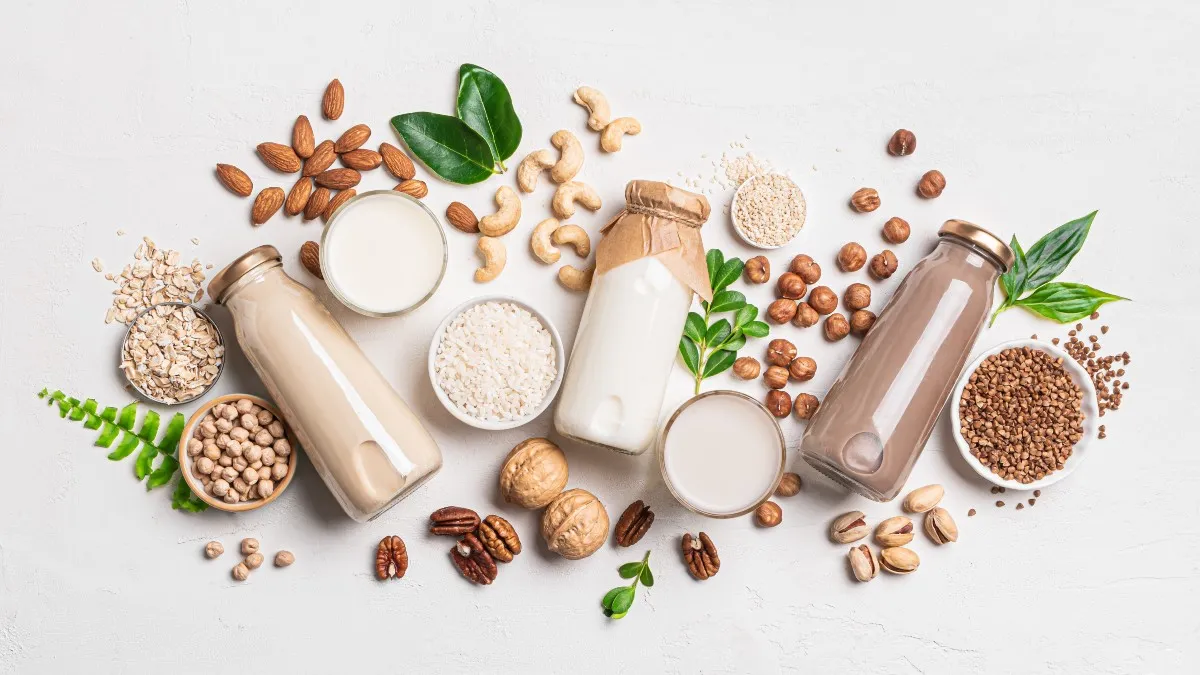
Plant-based protein sources: An inexhaustible source of health and well-being

What are the benefits of plant-based foods?
Increasing the amount of plant-based protein in the diet can lower blood pressure [1,2]. This is true because animal protein sources contain ingredients such as saturated fat [3]. It is important for our health to limit our intake of saturated fat and increase our intake of polyunsaturated fatty acids [4], so that the protein-fat balance is achieved. The fat balance is usually more favorable in plant-based foods.
A plant-based diet can help with weight management, avoiding weight fluctuations, and maintaining low blood sugar levels. Compared to diets that include meat, vegetarian diets are associated with a reduced risk of obesity [5,6]. One reason for this is that vegetarian diets are usually high in fiber [7,8].
Fiber increases the time food stays in our digestive tract and makes us feel fuller for longer [9,10]. In addition, this fiber can slow the absorption of other nutrients, such as sugar, which reduces the amount of insulin released [9,11]. It is not surprising that the risk of developing type 2 diabetes is much lower in vegetarians [12,14].
Plant-based nutrients improve cholesterol levels. Some of the healthy foods that are part of a vegetarian diet, such as nuts and legumes, provide nutrients that improve cholesterol levels and may affect blood vessel health [3,15,16]. It is therefore no coincidence that a vegetarian diet is associated with a lower risk of cardiovascular diseases, such as coronary heart disease [5,13,17].
In addition to the above benefits, there are others that contribute to the overall good functioning of our body and to the strongest version of ourselves.
Nature for nature
Choosing a plant-based diet has benefits for both ourselves and our environment, since it is characterized by a small ecological footprint and contributes to less consumption of water and land.
A plant-based or vegetarian diet clearly produces fewer greenhouse gas emissions, such as CO2, methane, and nitrous oxide [3]. A diet that includes meat produces more greenhouse gases per kcal, per serving, and per gram of protein [19]. For example, beef and lamb can produce emissions per gram of protein that are about 250 times higher than those of legumes. Similarly, 20 servings of vegetables produce fewer greenhouse gas emissions than one serving of beef [20].
In general, the consumption of plant-based proteins, such as pea or soy proteins, is already widespread. More and more people in Western countries are reducing their meat consumption [21]. In Europe, one in ten (9%) food products marketed in 2018 included claims of vegetarian ingredients or the absence of animal ingredients, almost double the 5% in 2015 [22]. Most plant-based protein sources, unlike animal proteins, have less cholesterol and saturated fat and are richer in fiber.
Therefore, it is not a trend that you need to know, but a lifestyle that you owe both to yourself and to the planet to follow.
In this time of challenges, when we need more health and a cleaner (in every respect) environment, with food safety being a key environmental issue, Herbalife Nutrition is committed to making a positive contribution through the research, development and design of innovative nutritional products, as well as continuous improvements in the production and supply chain.
At the same time, it focuses on sustainable development, based on scientific studies and observing, with its specialized scientific associates, both human nutritional needs and the needs of the environment.
Herbalife Nutrition is the world’s No. 1 brand in meal replacements according to Euromonitor [23]. Its shares have been traded on the New York Stock Exchange (NYSE:HLF) since 2004, with a turnover for 2018 of $ 4.9 billion, it currently employs more than 8,300 employees worldwide, and has privately owned production facilities in the USA, Europe and China. At the same time, it focuses on sustainable development, based on scientific studies and observing, with its specialized scientific partners, both human nutritional needs and the needs of the environment.