Cold & Cough Remedies: 10 Proven Fast Relief Tips 2026
p 10 Most Effective Cold & Cough Remedies for 2026: Fast Relief & Natural SolutionsCold & Cough Remedies: 10 Proven Fast Relief Tips 2026Top…


p 10 Most Effective Cold & Cough Remedies for 2026: Fast Relief & Natural SolutionsCold & Cough Remedies: 10 Proven Fast Relief Tips 2026Top 10 Most Effective Cold & Cough Remedies for 2026: Fast Relief & Natural Solutions
Suffering from a persistent cough and the misery of a common cold in 2026? You’re not alone. Millions worldwide grapple with these seasonal ailments annually, seeking swift and effective relief. While there’s no magic bullet to instantly cure a cold, a range of proven remedies can significantly alleviate symptoms, speed up recovery, and make the discomfort of a cough far more manageable. This comprehensive guide explores the most effective cold and cough remedies available this year, blending traditional wisdom with modern insights to help you feel better faster.
From over-the-counter powerhouses to time-tested natural concoctions, we’ll delve into what truly works to soothe a sore throat, clear congestion, and quiet that nagging cough. Understanding the root causes and knowing which remedies target specific symptoms is key to navigating cold and flu season with confidence. We’ll explore the science behind common treatments and highlight gentle, natural approaches that can complement conventional care, ensuring you have a robust toolkit for tackling these common respiratory infections.
Understanding the Common Cold and Cough
Before diving into remedies, it’s crucial to understand what we’re dealing with. The common cold is a viral infection primarily affecting your nose and throat. It’s highly contagious and spreads through airborne droplets when an infected person coughs, sneezes, or talks, or through direct contact with contaminated surfaces. While over 200 viruses can cause a cold, rhinoviruses are the most common culprits. Symptoms typically appear one to three days after exposure to the virus and can last for about a week to ten days, though some symptoms, like a cough, may linger longer.
A cough, on the other hand, is a reflex action that clears the airways of irritants, mucus, or foreign particles. It can be a symptom of a cold, flu, allergies, asthma, or more serious conditions. Coughs are broadly categorized into two types: dry coughs (non-productive, without mucus) and chesty or wet coughs (productive, with mucus). The best remedy often depends on the type of cough and its underlying cause.
The Science Behind Cold Symptoms
Cold symptoms like a runny nose, sore throat, and cough are your body’s immune system fighting off the invading virus. Inflammation in the nasal passages leads to increased mucus production and congestion. A sore throat is often caused by the virus directly irritating the throat lining or by post-nasal drip irritating it further. Coughing is the body’s attempt to expel the virus and mucus from the respiratory tract.
Differentiating Cold from Flu
It’s important to distinguish between a cold and the flu (influenza). While symptoms can overlap, the flu is generally more severe, with a sudden onset of fever, body aches, chills, and fatigue. Colds typically have a gradual onset and milder symptoms, primarily affecting the upper respiratory tract. Prompt identification helps in choosing the most appropriate course of action.
Top Cold & Cough Remedies for Fast Relief
Navigating the vast array of cold and cough remedies can be overwhelming. Here, we present a curated list of the most effective and popular options for 2026, categorized for clarity.
1. Hydration: The Universal Remedy
Why it works: Staying well-hydrated is paramount when you have a cold or cough. Fluids help thin mucus, making it easier to cough up and clear from your airways. They also prevent dehydration, which can worsen symptoms and slow recovery. Warm liquids, in particular, can be incredibly soothing for a sore throat and can help loosen congestion.
What to drink:
- Water: The simplest and most essential. Aim for at least 8-10 glasses a day.
- Herbal Teas: Chamomile, ginger, peppermint, and licorice root teas are excellent choices. They offer hydration and possess their own therapeutic properties.
- Broth: Chicken soup isn’t just a comfort food; the warm broth is hydrating and can help replenish electrolytes.
- Warm Water with Lemon and Honey: A classic remedy. Lemon provides Vitamin C and helps cut through mucus, while honey coats the throat and has natural antibacterial properties.
What to avoid: Sugary drinks, alcohol, and excessive caffeine can dehydrate you, counteracting the benefits of hydration.
2. Honey: Nature’s Cough Suppressant
Why it works: Honey has been used for centuries as a remedy for coughs and sore throats. Studies have shown it to be as effective, if not more so, than some over-the-counter cough suppressants, particularly for children over the age of one. Its thick consistency coats the throat, providing immediate relief from irritation and suppressing the cough reflex. Honey also possesses antimicrobial and anti-inflammatory properties.
How to use:
- Take one to two teaspoons of raw, unfiltered honey straight.
- Mix it into warm water or herbal tea with lemon.
- Combine with ginger for an extra boost.
Important Note: Never give honey to infants under one year old due to the risk of botulism.
3. Saline Nasal Sprays and Rinses
Why it works: Nasal congestion is a hallmark of the common cold, making breathing difficult and uncomfortable. Saline sprays and rinses (like neti pots or sinus rinse bottles) help to thin mucus, flush out irritants and allergens from the nasal passages, and reduce inflammation. This can provide significant relief from stuffiness and post-nasal drip.
How to use:
- Nasal Sprays: Available over-the-counter. Use as directed on the package, typically several times a day.
- Nasal Rinses: Mix a pre-measured saline packet (or 1/4 teaspoon of non-iodized salt and a pinch of baking soda) with 8 ounces of distilled, sterile, or previously boiled cool water. Tilt your head over a sink and pour the solution into one nostril, allowing it to drain out the other. Repeat on the other side. Ensure you use sterile water to prevent infection.
4. Steam Inhalation
Why it works: Inhaling steam can help loosen congestion in the nasal passages and chest, making it easier to breathe and clear mucus. The warmth and moisture can also soothe irritated airways.
How to use:
- Hot Shower or Bath: The simplest method. Let the steam fill the bathroom and breathe deeply.
- Bowl of Hot Water: Carefully pour boiling water into a heatproof bowl. Drape a towel over your head and lean over the bowl (keeping a safe distance to avoid burns). Inhale the steam deeply through your nose and mouth for 5-10 minutes. You can add a few drops of eucalyptus or peppermint essential oil for added decongestant effects, but use caution as these can be irritating for some individuals.
5. Over-the-Counter (OTC) Medications
Why they work: OTC medications offer targeted relief for specific cold and cough symptoms. They are formulated to address pain, fever, congestion, and coughs.
Types of OTC Medications:
- Pain Relievers and Fever Reducers: Acetaminophen (Tylenol) and ibuprofen (Advil, Motrin) can reduce fever, aches, and sore throat pain. Always follow dosage instructions carefully.
- Decongestants: Available as nasal sprays (e.g., oxymetazoline) or oral tablets (e.g., pseudoephedrine, phenylephrine). They work by constricting blood vessels in the nasal passages, reducing swelling and improving airflow. Oral decongestants can raise blood pressure, so use with caution if you have hypertension. Nasal spray decongestants should not be used for more than 3-5 consecutive days to avoid rebound congestion.
- Expectorants: Guaifenesin (Mucinex) is the most common expectorant. It works by thinning mucus, making it easier to cough up from the chest. It’s most effective for productive, chesty coughs.
- Cough Suppressants (Antitussives): Dextromethorphan (DM) is a common ingredient that works by blocking the cough reflex in the brain. These are best for dry, hacking coughs that interfere with sleep.
- Antihistamines: While primarily for allergies, some older antihistamines (like diphenhydramine) can help with runny nose and sneezing and may promote sleep due to their sedating effects. Newer antihistamines are less effective for cold symptoms.
- Combination Medications: Many OTC products combine several ingredients to treat multiple symptoms. Read labels carefully to ensure you’re not taking unnecessary medications or exceeding safe dosages.
Important Considerations: Always read and follow the label instructions. Be aware of potential side effects and interactions with other medications. Consult a pharmacist or doctor if you have underlying health conditions or are unsure which medication is right for you.
6. Rest: The Body’s Natural Healer
Why it works: While not a “remedy” in the traditional sense, adequate rest is perhaps the most critical factor in recovering from a cold or cough. When you rest, your body can dedicate its energy to fighting the infection and repairing tissues. Pushing yourself too hard can prolong your illness and even make you more susceptible to secondary infections.
How to get enough rest:
- Prioritize sleep. Aim for 7-9 hours per night, and take naps during the day if needed.
- Reduce your workload and social commitments.
- Listen to your body. If you feel tired, rest.
7. Gargling with Saltwater
Why it works: A simple yet effective way to soothe a sore throat and potentially reduce swelling. Saltwater gargles can help draw excess fluid from inflamed throat tissues, offering temporary pain relief and clearing mucus.
How to use:
- Mix 1/4 to 1/2 teaspoon of salt in a glass (8 ounces) of warm water.
- Gargle the solution in the back of your throat for 30 seconds, then spit it out.
- Repeat several times a day as needed.
8. Humidifier: Fighting Dry Air
Why it works: Dry air, especially common during winter months with indoor heating, can irritate nasal passages and the throat, worsening congestion and cough. A cool-mist humidifier adds moisture to the air, which can help soothe irritated airways, loosen mucus, and make breathing more comfortable.
How to use:
- Place a humidifier in your bedroom or the room where you spend the most time.
- Ensure you clean the humidifier regularly according to the manufacturer’s instructions to prevent mold and bacteria growth.
- Use distilled or demineralized water for optimal performance and hygiene.
9. Elevating Your Head
Why it works: When you have a cold, lying flat can cause mucus to pool in your nasal passages and throat, leading to increased congestion and coughing, especially at night. Elevating your head can help mucus drain more effectively.
How to do it:
- Use an extra pillow or two to prop up your head while sleeping.
- Consider sleeping in a recliner if you find it more comfortable.
10. Zinc and Vitamin C: Supporting the Immune System
Why they work:
- Zinc: Some studies suggest that taking zinc supplements within 24 hours of symptom onset may shorten the duration of a cold. Zinc is thought to interfere with viral replication. However, the evidence is mixed, and high doses can cause side effects like nausea and a metallic taste.
- Vitamin C: While a popular remedy, large doses of Vitamin C have not been proven to prevent colds in the general population. However, regular intake might slightly reduce the duration and severity of cold symptoms for some individuals. It’s crucial for overall immune function.
How to use:
- Obtain zinc from foods like oysters, red meat, poultry, beans, and nuts.
- Obtain Vitamin C from citrus fruits, berries, bell peppers, and leafy greens.
- If considering supplements, consult your doctor for appropriate dosages, as excessive intake can be harmful.
Natural Cold & Cough Remedies: Time-Tested Solutions
Beyond the common remedies, many natural ingredients offer potent relief for cold and cough symptoms. These can be used alone or in conjunction with conventional treatments.
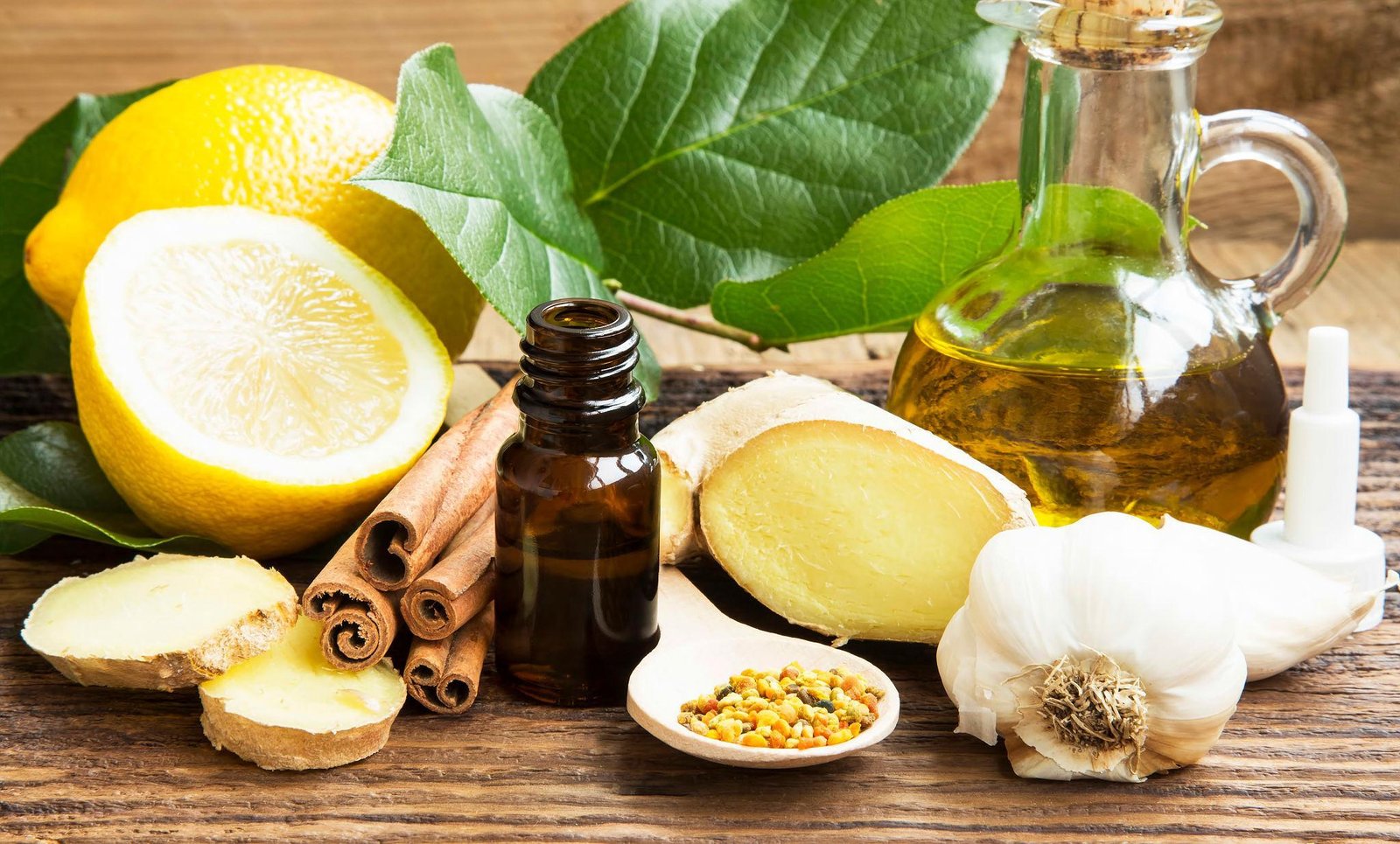
Ginger: Anti-inflammatory Powerhouse
Why it works: Ginger has powerful anti-inflammatory and antioxidant properties. It can help soothe a sore throat, reduce nausea often associated with illness, and may help fight inflammation in the respiratory tract.
How to use:
- Ginger Tea: Steep fresh ginger slices in hot water for 5-10 minutes. Add honey and lemon for enhanced benefits.
- Chewing Raw Ginger: A small piece of fresh ginger can help stimulate saliva production and soothe a sore throat.
- Ginger Candies: Look for candies made with real ginger.
Garlic: Natural Antiviral and Antibacterial
Why it works: Garlic contains allicin, a compound known for its immune-boosting, antiviral, and antibacterial properties. While the smell can be strong, it’s a potent natural remedy.
How to use:
- Raw Garlic: Eating a clove or two of raw garlic daily may help fight infection. It’s potent, so start small.
- Garlic Broth: Add crushed garlic cloves to chicken soup or vegetable broth.
- Garlic Honey: Mix minced garlic with honey and let it sit for a few hours before consuming.
Herbal Teas for Specific Symptoms
- Peppermint Tea: Contains menthol, which can act as a natural decongestant and soothe a sore throat.
- Licorice Root Tea: Can help soothe a sore throat and has expectorant properties, aiding in mucus clearance. Use in moderation as it can affect blood pressure.
- Marshmallow Root Tea: Forms a soothing coating over the throat, providing relief from irritation and cough.
- Thyme Tea: Known for its antispasmodic properties, it can help relax the muscles of the airways and relieve cough spasms. It also has expectorant qualities.
Eucalyptus Oil (for Inhalation Only)
Why it works: Eucalyptus oil is a natural expectorant and decongestant. Its strong aroma can help open up airways.
How to use: Crucially, eucalyptus oil should NEVER be ingested.
- Add a few drops to a bowl of hot water for steam inhalation (as described above).
- Add a few drops to a warm bath.
- Dilute with a carrier oil (like coconut or olive oil) and apply to the chest or throat area as a rub (ensure it’s safe for topical use and do a patch test first).
Onion Syrup: A Traditional Cough Remedy
Why it works: This old-fashioned remedy leverages the natural properties of onions, which are believed to have expectorant and anti-inflammatory qualities. The sugar draws out the onion’s beneficial compounds.
How to make:
- Slice one large onion.
- Layer the onion slices in a jar with sugar or honey.
- Cover and let it sit for several hours or overnight.
- Strain the liquid. Take 1-2 teaspoons of the syrup every few hours to help loosen phlegm and calm a cough.
When to Seek Medical Advice
While most colds and coughs resolve on their own with home care, it’s important to know when to consult a healthcare professional. Seek medical attention if you experience any of the following:
- High fever: A persistent fever over 102°F (39°C).
- Difficulty breathing or shortness of breath.
- Chest pain.
- Coughing up blood or thick, discolored mucus (green, yellow, or rusty).
- Symptoms that worsen or don’t improve after 10-14 days.
- Severe sore throat, especially if accompanied by difficulty swallowing or a rash.
- Worsening of chronic medical conditions like asthma or COPD.
- Ear pain.
- Facial pain or pressure (could indicate sinusitis).
A doctor can diagnose the cause of your symptoms, rule out more serious conditions like pneumonia or bronchitis, and prescribe appropriate treatment if necessary. For instance, if a bacterial infection is suspected, antibiotics might be prescribed, though they are ineffective against viral infections like the common cold.
Lifestyle Tips for Cold and Cough Prevention
The best approach to colds and coughs is often prevention. Here are some key strategies for 2026:
- Frequent Handwashing: Wash your hands thoroughly with soap and water for at least 20 seconds, especially after being in public places or blowing your nose.
- Avoid Close Contact: Steer clear of individuals who are sick.
- Don’t Touch Your Face: Avoid touching your eyes, nose, and mouth, as viruses can enter your body this way.
- Boost Your Immune System: Maintain a healthy diet rich in fruits and vegetables, exercise regularly, get enough sleep, and manage stress.
- Disinfect Surfaces: Regularly clean and disinfect frequently touched surfaces at home and work.
- Consider Vaccination: Get your annual flu shot to protect against influenza, which can have more severe complications than the common cold.
Case Study: Navigating a Stubborn Cough
Sarah, a 35-year-old marketing manager, came down with a nasty cold in late November 2026. Initially, she managed her symptoms with rest, hydration, and OTC decongestants. However, after a week, her nasal congestion improved, but a persistent, dry cough lingered, making sleep difficult and impacting her work.
Concerned, Sarah decided to try a multi-pronged approach based on natural remedies. She continued her hydration, focusing on warm herbal teas. For her cough, she started gargling with saltwater multiple times a day and took 1-2 teaspoons of raw honey before bed. She also added fresh ginger to her teas and increased her intake of Vitamin C-rich foods like oranges and bell peppers. She began using a humidifier in her bedroom at night.
Within three days of implementing this natural regimen, Sarah noticed a significant improvement. The saltwater gargles soothed her irritated throat, and the honey helped suppress the nighttime cough, allowing her to get more restful sleep. The ginger tea provided warmth and eased the tickle in her throat. While the cough didn’t disappear overnight, its frequency and intensity were greatly reduced. By the end of the week, her cough had almost completely subsided, allowing her to return to her normal routine feeling much better. Sarah learned the importance of a holistic approach, combining basic care with targeted natural remedies for stubborn symptoms.
Frequently Asked Questions (FAQs)
What is the fastest way to cure a cold?
There is no instant cure for the common cold, as it’s a viral infection that your body needs time to fight off. However, the fastest way to feel better and support your body’s recovery is to focus on rest, staying well-hydrated with water and warm liquids, and using targeted remedies like saline nasal rinses for congestion and honey for coughs. Over-the-counter medications can also provide rapid symptom relief.
Can I take antibiotics for a cold?
No, antibiotics are ineffective against the common cold. Colds are caused by viruses, while antibiotics target bacteria. Taking antibiotics for a viral infection will not help you recover and can contribute to antibiotic resistance, a serious public health concern.
When should I worry about a cough?
You should seek medical advice for a cough if it is accompanied by difficulty breathing, chest pain, coughing up blood, a high fever, symptoms that worsen significantly, or if the cough persists for more than 2-3 weeks, especially if you have underlying health conditions.
Are natural remedies as effective as OTC medications?
Natural remedies like honey, ginger, and saline rinses can be very effective for symptom relief and supporting recovery. They often work by soothing irritation, thinning mucus, or providing anti-inflammatory benefits. OTC medications offer more targeted and potent relief for specific symptoms like severe pain, fever, or intense congestion. The best approach often involves combining both, depending on the severity and type of symptoms.
How long does a typical cold last?
The common cold typically lasts for about 7 to 10 days, although some symptoms, particularly a cough, can linger for up to two or three weeks. Most people start feeling significantly better within a week.
Is it safe to use essential oils for cold symptoms?
Some essential oils, like eucalyptus and peppermint, can be helpful when used correctly for inhalation or topical application (diluted with a carrier oil). However, they should NEVER be ingested. Some individuals may find essential oils irritating. Always use them with caution, ensure proper dilution for topical use, and consult with a healthcare professional if you have respiratory conditions like asthma.
Conclusion
Navigating cold and cough season in 2026 doesn’t have to be a miserable experience. By understanding the nature of these common ailments and employing a combination of proven remedies, you can significantly alleviate symptoms and support your body’s natural healing process. Prioritizing hydration, rest, and targeted relief—whether through natural ingredients like honey and ginger or effective OTC medications—empowers you to manage your illness more comfortably. Remember to listen to your body, practice preventive measures like good hygiene, and don’t hesitate to seek medical advice when symptoms are severe or persistent. With the right strategies, you can shorten your recovery time and get back to feeling your best.
Read: Vitamin Deficiency: 7 Essential Facts for 2026